

![Flowers and Plants Toxic to Dogs: What Every Pet Parent Needs to Know [With Photos]](https://nycdogadventures.com/wp-content/uploads/2026/03/FullSizeRender-2-1-150x150.jpeg)






Discover NYC’s dog-friendly blooms from March–August! Cherry blossoms, tulips, lilacs & hidden gardens. Plan your perfect spring adventure now.
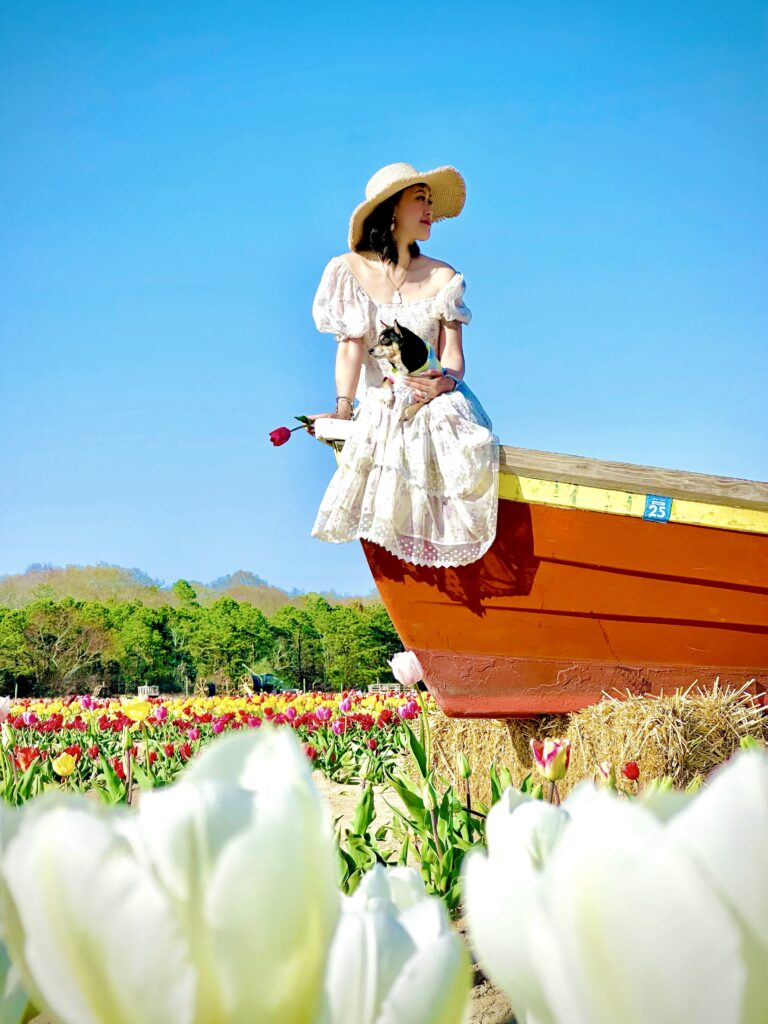
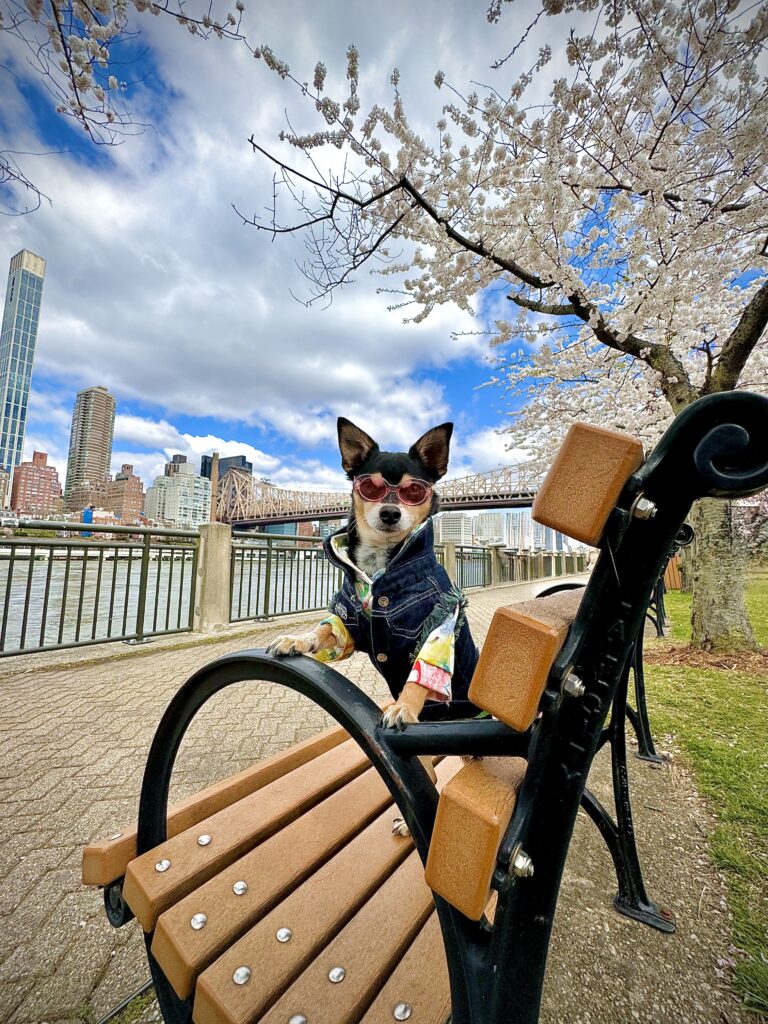
Ever wondered when New York City actually blooms? Most people think of NYC as concrete and skyscrapers — but locals know the truth: from March through August the city transforms into one giant flower garden. Every spring, crocuses push through the last snow in parks like Central Park and Prospect Park, followed by dreamy magnolia trees that look like pastel clouds across the city. Then suddenly, cherry blossom season arrives, turning places like Cherry Hill and Roosevelt Island into pink petal wonderlands. Tulips explode across Washington Square Park and Madison Square Park, lilacs perfume the air in late spring, and by summer you can chase sunflower and lavender fields out on Long Island at places like Lavender by the Bay.
As a dog parent exploring NYC with my rescue pup Chance, I’ve spent years photographing the city’s hidden bloom locations — and this guide reveals exactly when and where to find them. If you love flowers, photography, seasonal adventures, and dog-friendly travel, this NYC bloom calendar will help you plan the most beautiful months in the city. Because once you start bloom chasing in New York… you’ll never see the city the same way again ~
Key Blooming Schedule (Approximate):
Early March (Signs of Spring): Crocuses, Daffodils, Red Maples, Cornelian Cherry.
Late March – Early April: Okame Cherry Blossoms, Magnolias, Pear Blossoms.
Mid – Late April: Yoshino Cherry Blossoms, Tulips, Bluebells, Bloodroot, Trillium.
Late April – May: Kwanzan Cherry Blossoms, Wisteria, Azaleas, Lilacs, Peonies, Roses.
Before to head out with your dog…
Due to recent news out of the UK involving a tragic incident in a tulip field, we felt it was important to add this reminder, especially as many first-time pet parents may not be aware of the risks certain spring environments can pose.
With that in mind, we put together a simple guide to help you navigate spring safely with your pup—breaking down dog-friendly NYC bloom locations, what to avoid, and how to plan seasonal outings with confidence.
Read the full guide here: Springs Flowers – What every pet parent know
🌸 NYC Bloom Calendar (Dog-Friendly Edition)
Below is the month-by-month bloom timeline so you never miss peak flower season again.
For more info: Signs of Spring in NYC Parks
- Month-by-month bloom calendar chart (below)
- Hidden Flower Spots (🌸 chart)
- Exact Peak Bloom Photo Locations (📸 chart)
- Week-by-week NYC bloom forecast (🌸 chart)
- Dog-friendly tips & photography tricks
If this bloom guide inspired you to explore more of NYC with your dog, start with our ultimate spring resource: A Local’s Guide to NYC Cherry Blossoms: Pet-Friendly Walks & Hidden Spots in Every Borough, where we reveal the city’s most photogenic cherry blossom locations and peaceful pet-friendly walking paths. And for everyday dog-friendly outings, don’t miss The Best Parks in New York City for Dogs (Off-Leash Info & Scenic Trails), a local guide to the city’s most scenic parks, waterfront trails, and off-leash areas.
🌱 March: NYC’s First Flowers
Crocus
Popping up in all NYC parks including Central Park, Prospect Park. Bloom window: Early March – Late March. Every year, crocuses are the first sign that winter is finally ending in New York City.
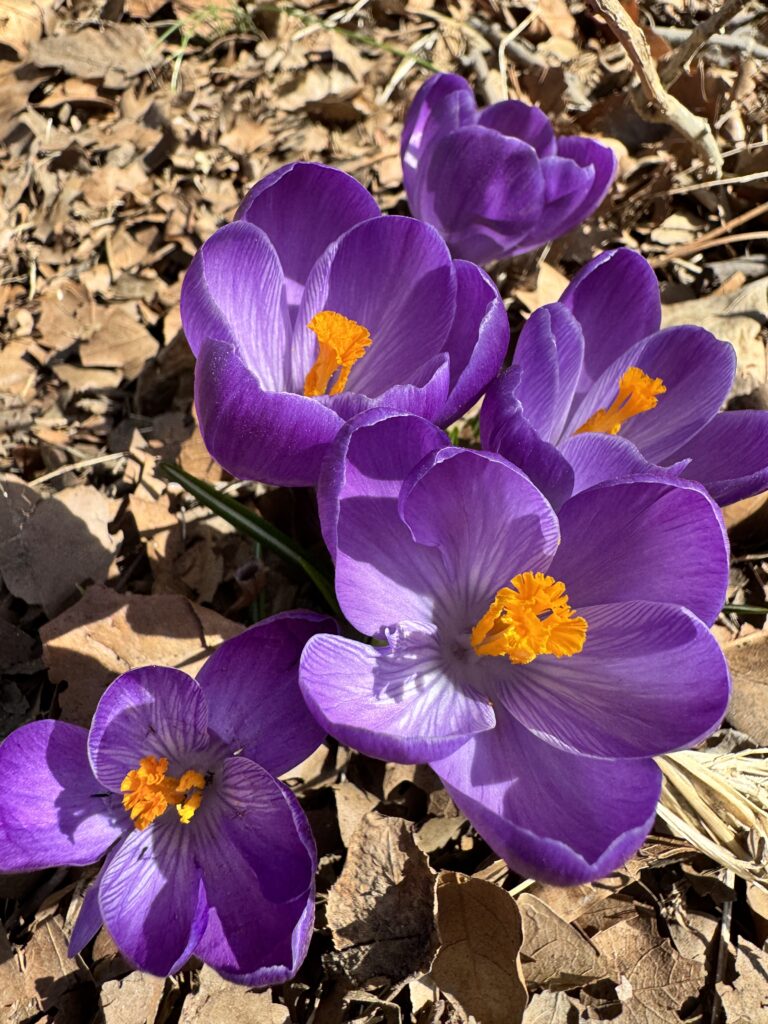
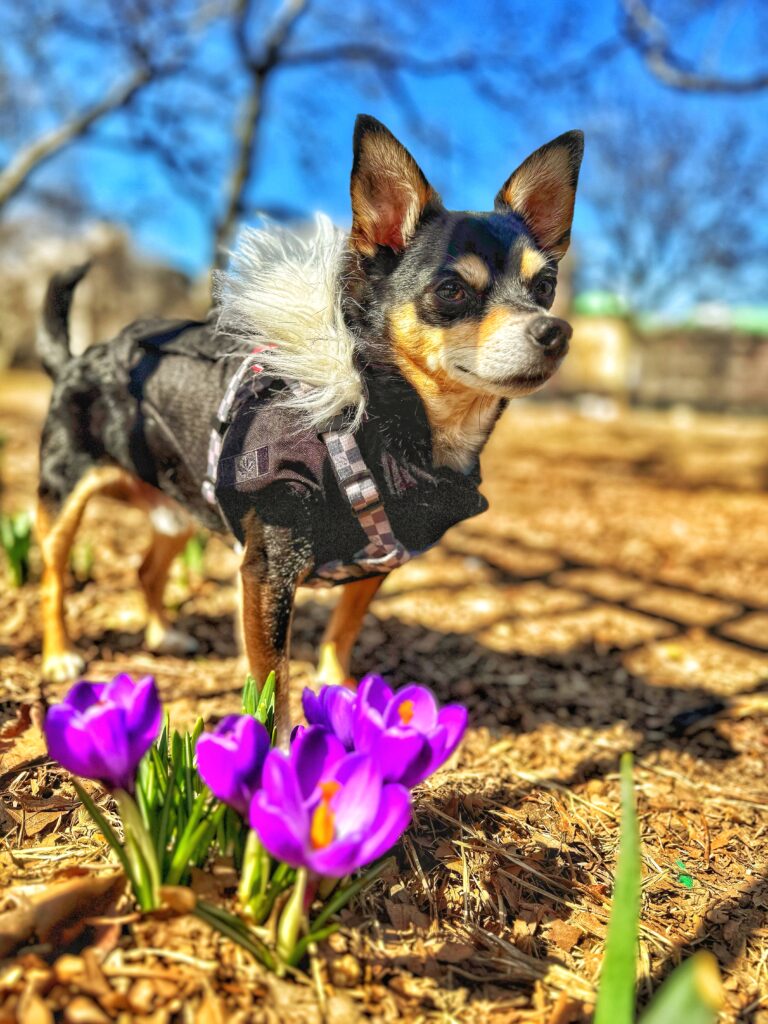
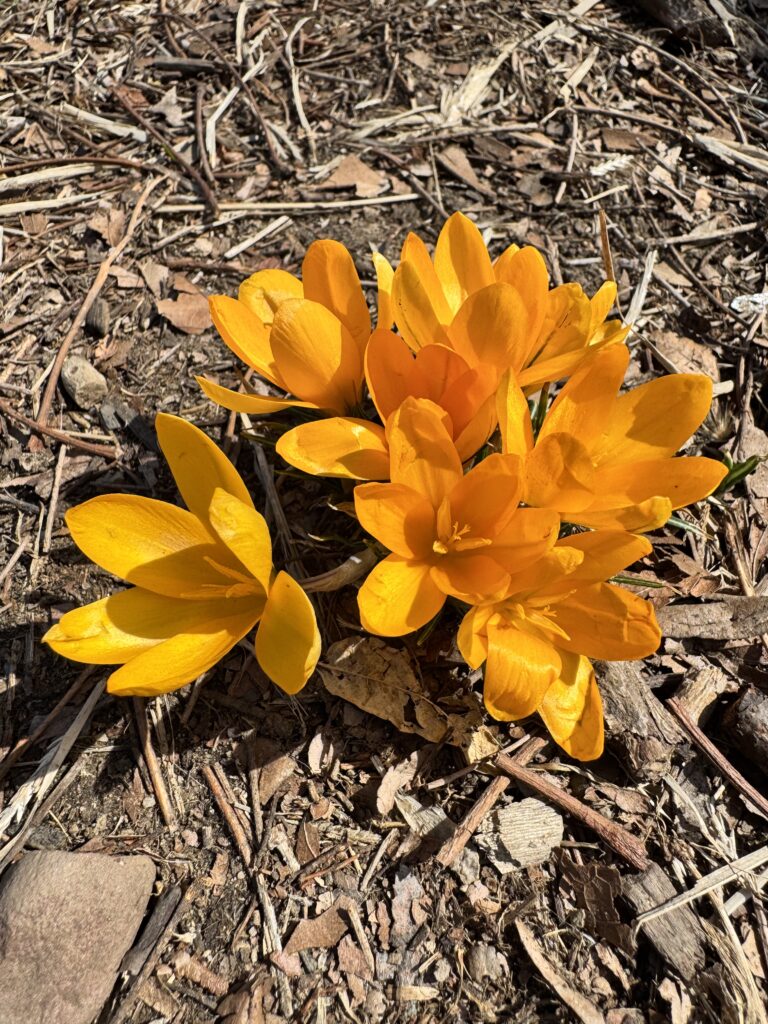
These tiny purple, yellow, and white flowers push straight through frozen soil, often blooming even while patches of snow remain.
Best places to see them:
• Central Park lawns
• Prospect Park meadow edges
• Flower beds throughout NYC Parks
Fun Crocus Facts:
- Naturalizing Ability: When planted in groups, they will spread and multiply over time, creating a larger, more impressive display each year
- The Source of Saffron: The world’s most expensive spice, saffron, comes from the dried, crimson-colored stigmas of the fall-blooming Crocus sativus. It takes roughly 80,000 flowers to produce one pound of this spice.
- “Bulbs” that are Actually Corms: While often called bulbs, crocus grow from corms, which are solid, underground storage stems, unlike the layered, leafy structure of a bulb like an onion.
- They Follow the Sun: Crocus flowers are “thermonastic,” meaning they open their cup-shaped blooms in response to warmth and light, closing up at night or during cloudy, cold weather to protect their pollen.
- Symbol of Early Spring: These flowers are among the first to bloom, sometimes appearing while snow is still on the ground, and are highly attractive to bees and early pollinators.
- Extensive Variety: There are over 90 different species of crocus, featuring colors ranging from deep purple and lilac to yellow and white.
- A “Hairy” History: The name comes from the Greek word krokos (or króki), referring to a thread used in weaving.
- Ancient Uses: Historically, the crocus was used not only as a spice but also to make yellow dye for clothes and hair.
🐾 Dog tip: Crocus beds are delicate — keep pups on paths while enjoying the blooms.
Daffodils
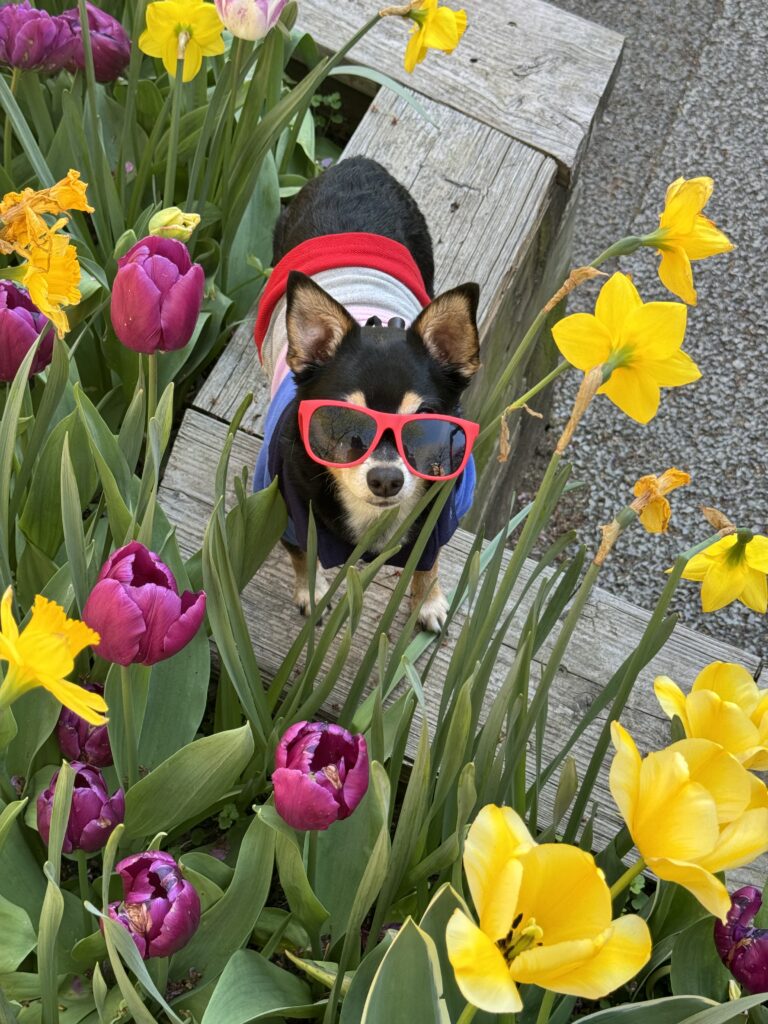
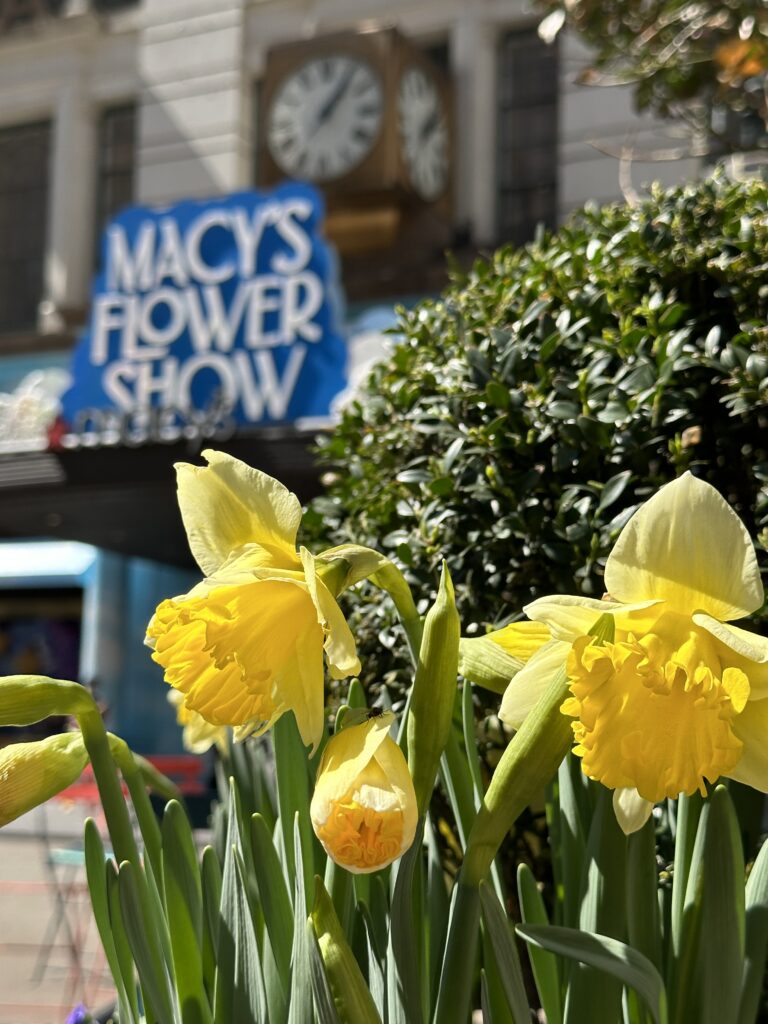
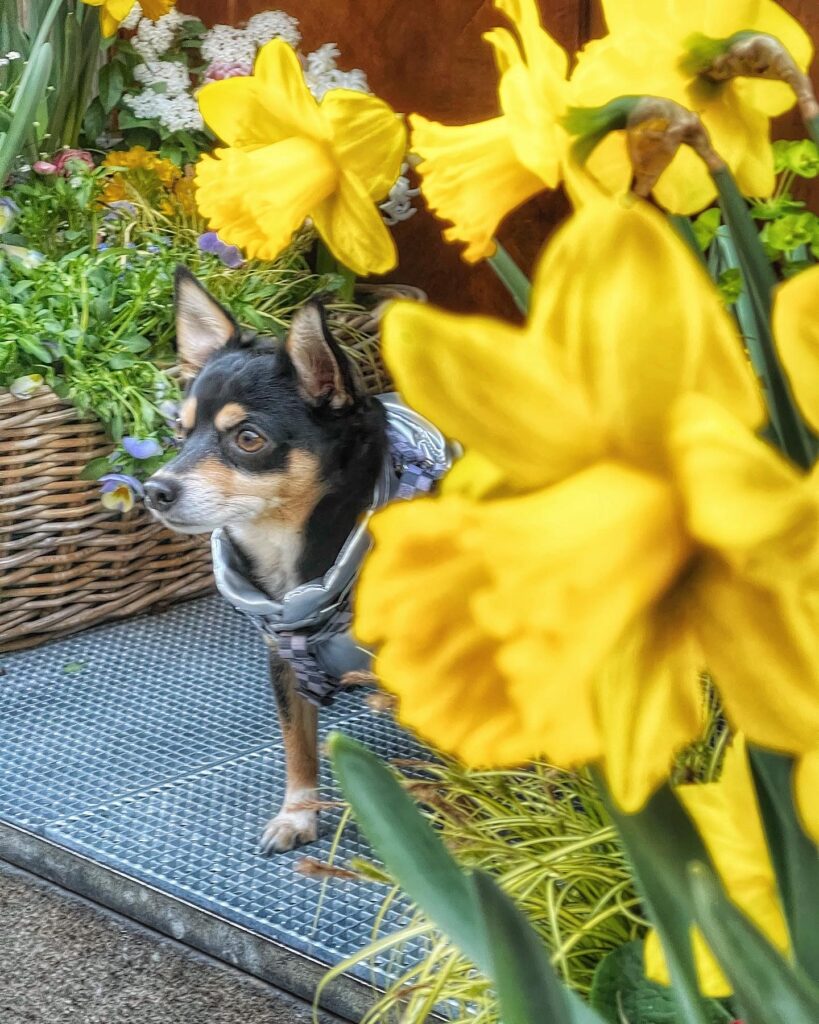
Many New Yorkers look to the blossoming of daffodils—NYC’s official flowers—as a sure sign that springtime is arriving in NYC. They are often spotted in early March. The best places to see daffodils in NYC, typically blooming from late March to April, include the massive “Daffodil Hill” at the New York Botanical Garden, which features over 500,000 plants, and the Brooklyn Botanic Garden, known for its stunning early-spring trumpet daffodil displays. Other top spots include the Central Park Conservatory Garden and various citywide locations via the Daffodil Project.
Top Daffodil Locations in NYC:
- New York Botanical Garden (NYBG): Features Daffodil Hill, the Daylily/Daffodil Walk, and a collection of over 500,000 bulbs.
- Brooklyn Botanic Garden (BBG): Located next to the Magnolia Plaza, this area is a highlight in late March and early April.
- Central Park Conservancy Garden: Specifically the South Garden, which features 25 different varieties.
- NYC Parks (Various Locations): Key spots include Mosholu Parkway, Pelham Parkway, and the Van Cortlandt Park Parade Grounds.
- The Daffodil Project: Over a million bulbs have been planted citywide as a memorial, creating widespread displays in neighborhood parks and tree beds.
Daffodils, or Narcissus, are spring-blooming perennials symbolizing rebirth and new beginnings. With over 25,000 cultivars, these popular, easy-to-grow, and deer-resistant flowers thrive for decades but are toxic to humans and pets. They also serve as the national flower of Wales and are used to create medicines for Alzheimer’s.
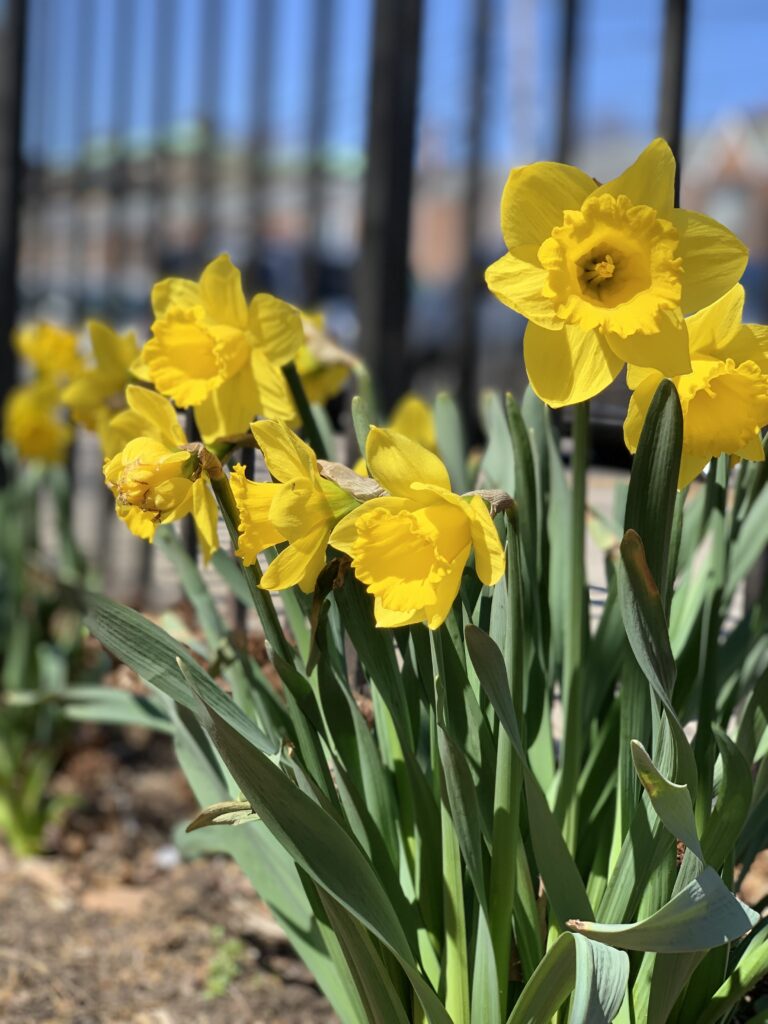
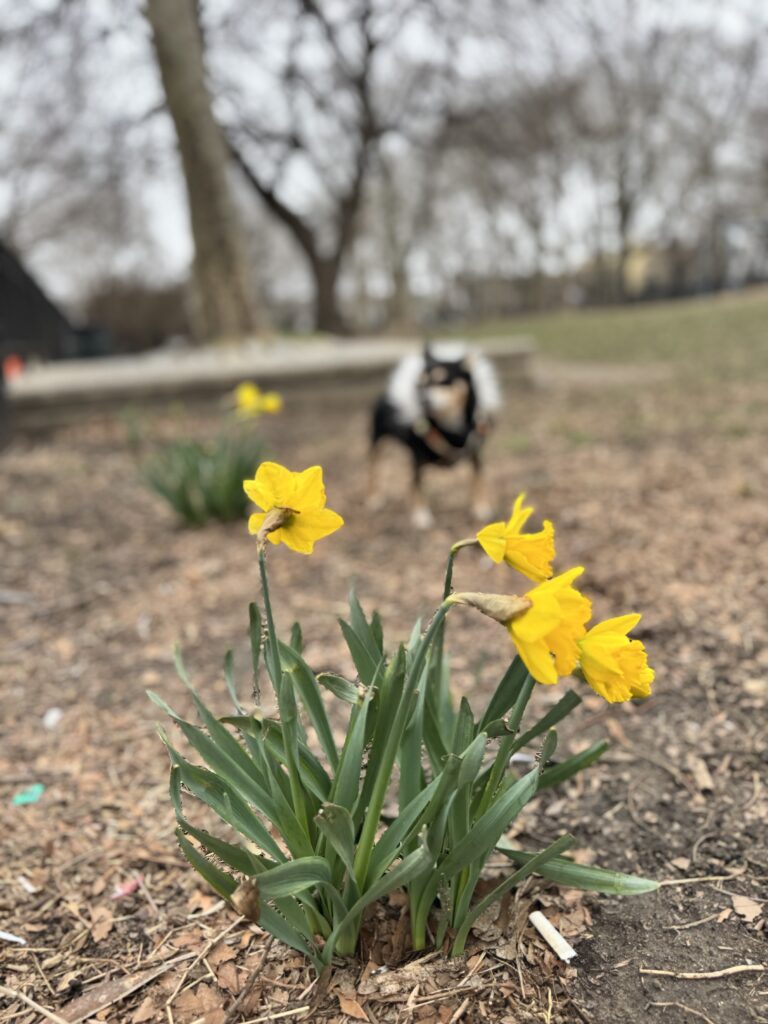
Fun Facts About Daffodils
- Ancient Medicine: While now known as poisonous if ingested, daffodils were used in ancient Rome and by Greek physician Hippocrates to treat wounds and tumors.
- Alzheimer’s Treatment: A compound in daffodils, galantamine, is used to treat symptoms of mild to moderate Alzheimer’s disease.
- The “Narcissus” Myth: The name Narcissus comes from Greek mythology, referring to a young man who fell in love with his own reflection and was turned into the flower.
- Not Just Yellow: While famous for their golden color, daffodils come in white, cream, orange, pink, and even lime green.
- Pest Resistant: Daffodil bulbs contain toxins (like lycorine) that make them repulsive to deer, squirrels, and rabbits, making them ideal for planting in unprotected areas.
- Welsh Symbol: In Wales, they are known as Cennin Pedr, or “Peter’s Leek,” and are often associated with St. David’s Day.
- Cold-Loving: Daffodils need a cold period (usually about 12 weeks) to bloom, which is why they are planted in autumn.
- Toxic Companions: When cut, daffodils release a sap that is poisonous to other flowers in a bouquet. They should be “conditioned” in a separate vase for 24 hours before being mixed with other flowers.
- Longevity: They are fantastic naturalizers, meaning they will return and multiply in your garden year after year.
- Symbol of Hope: Because they are one of the first flowers to bloom in spring, they are often used as the symbol for cancer charities
🌸 Late March – April: Magnolia Season
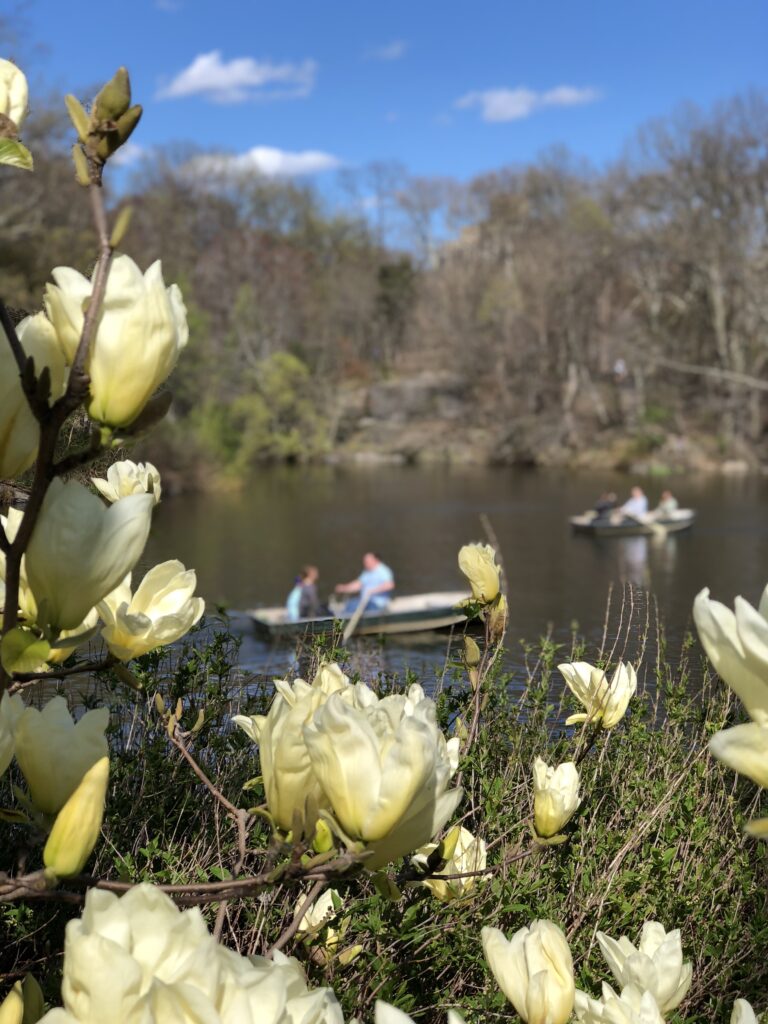
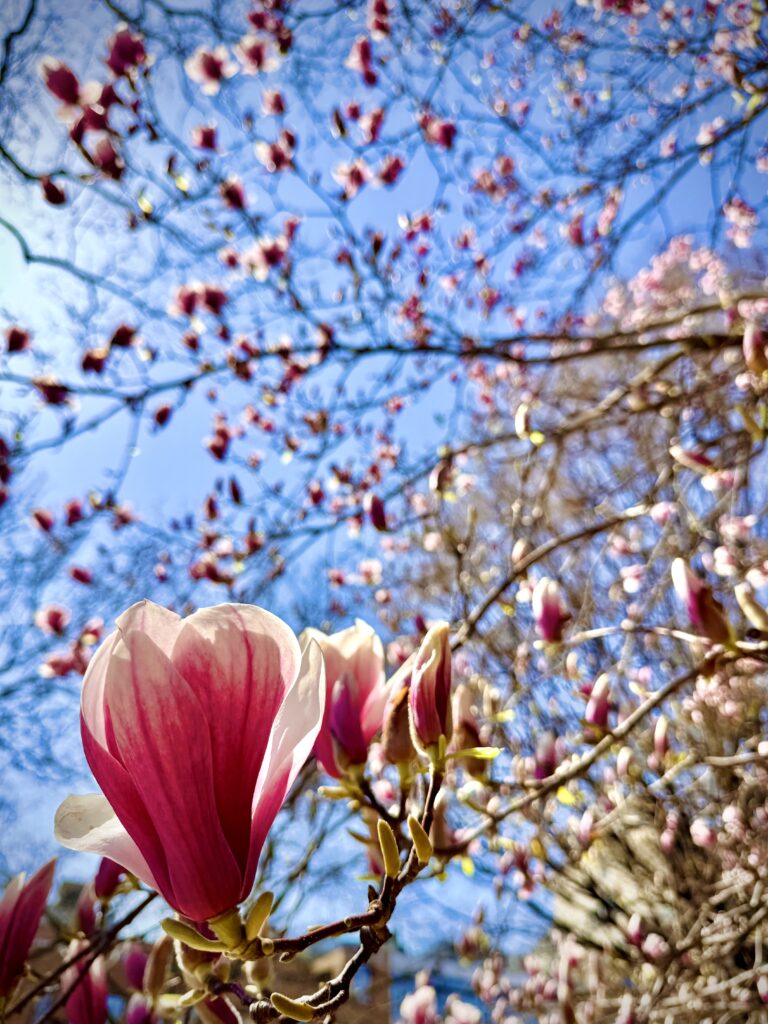
Bloom window: Late March – Mid April
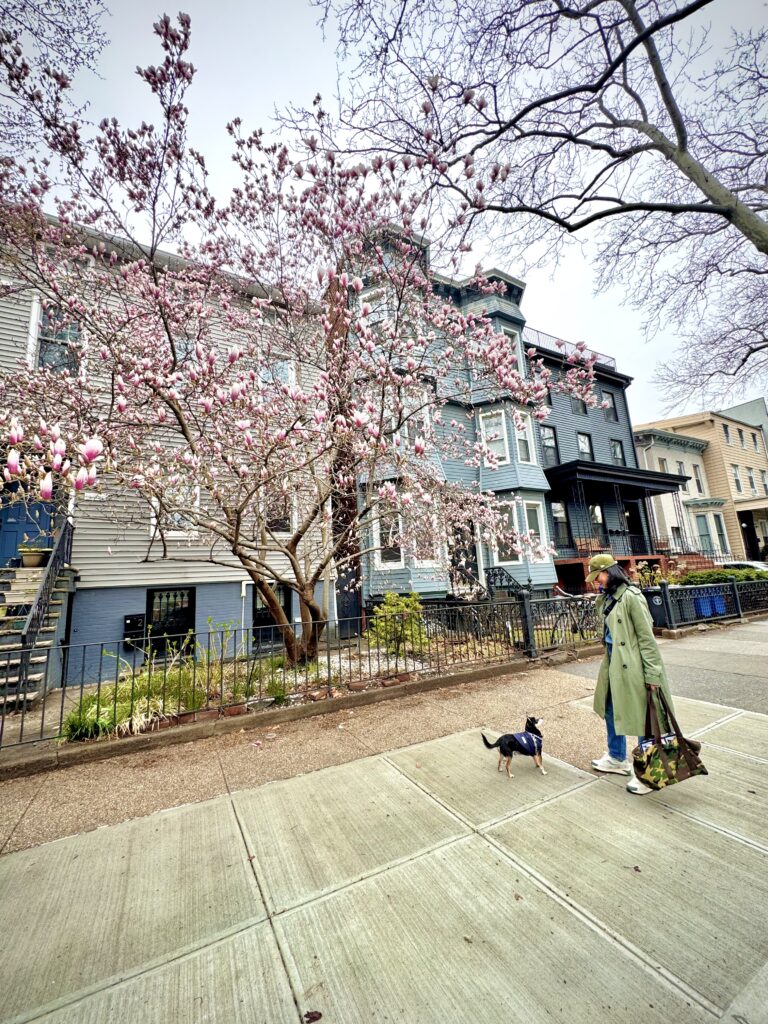
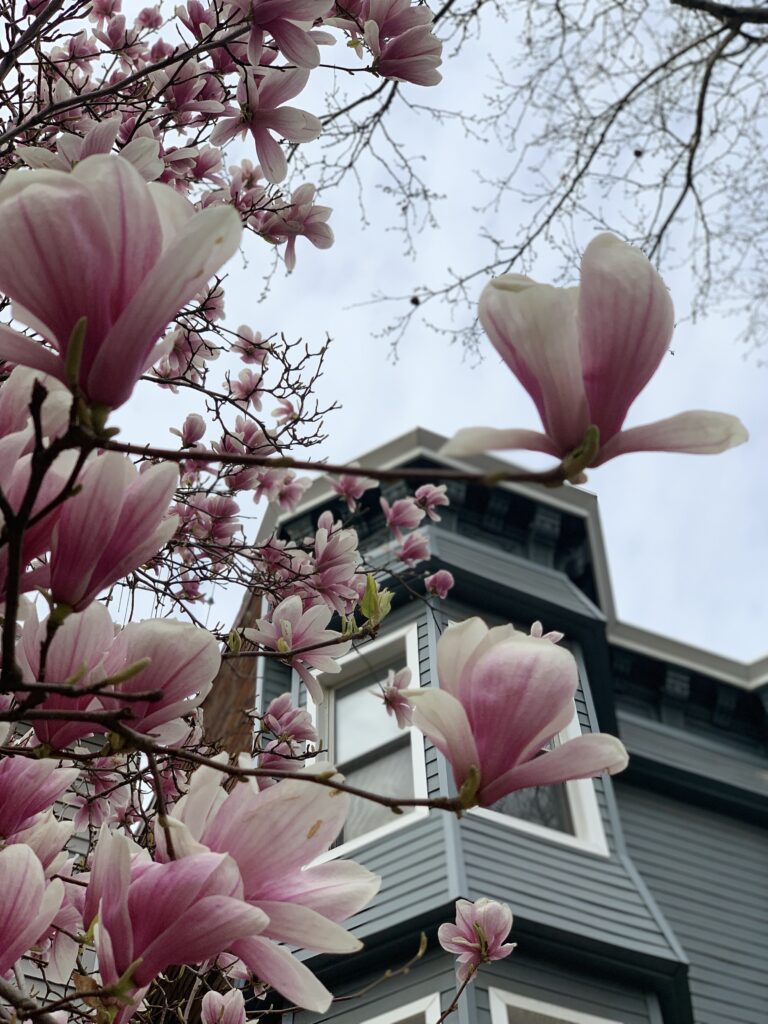
Magnolias are NYC’s most dramatic spring bloom. Their huge cup-shaped flowers appear before the leaves, making the trees look like giant pastel bouquets. Colors include: blush pink, white, deep rose, creamy ivory.
Best Magnolia Locations
• Central Park Conservatory Garden area
• Prospect Park near the Boathouse
• Sunset Park hilltop gardens
• Residential streets across Brooklyn and Queens
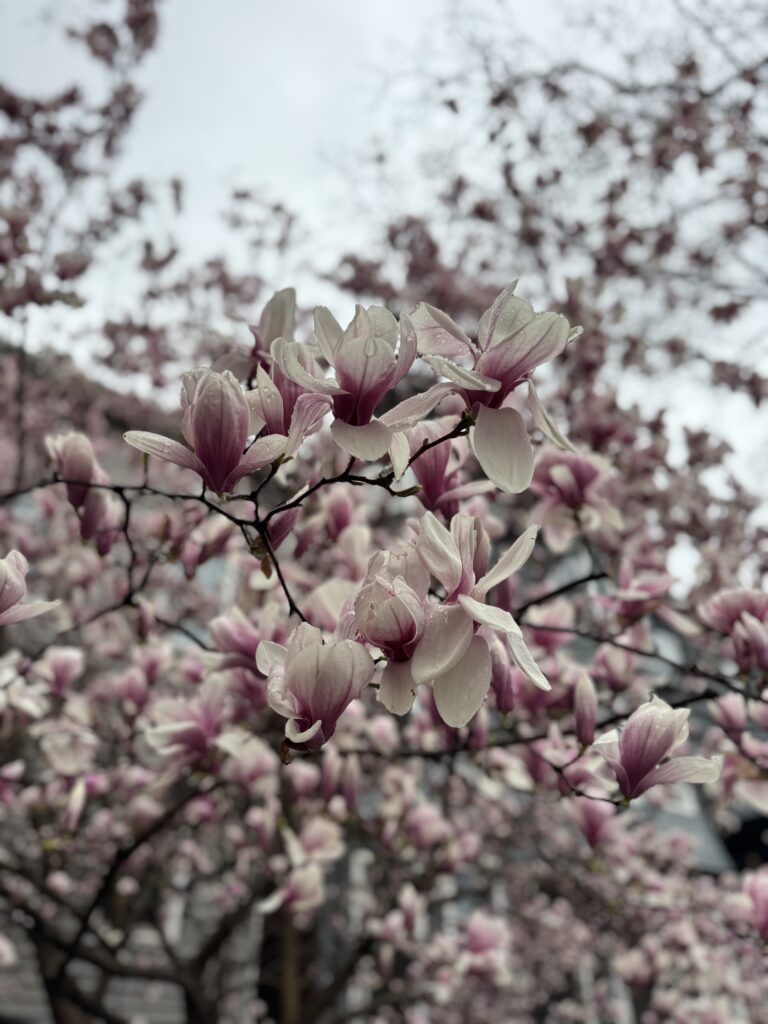
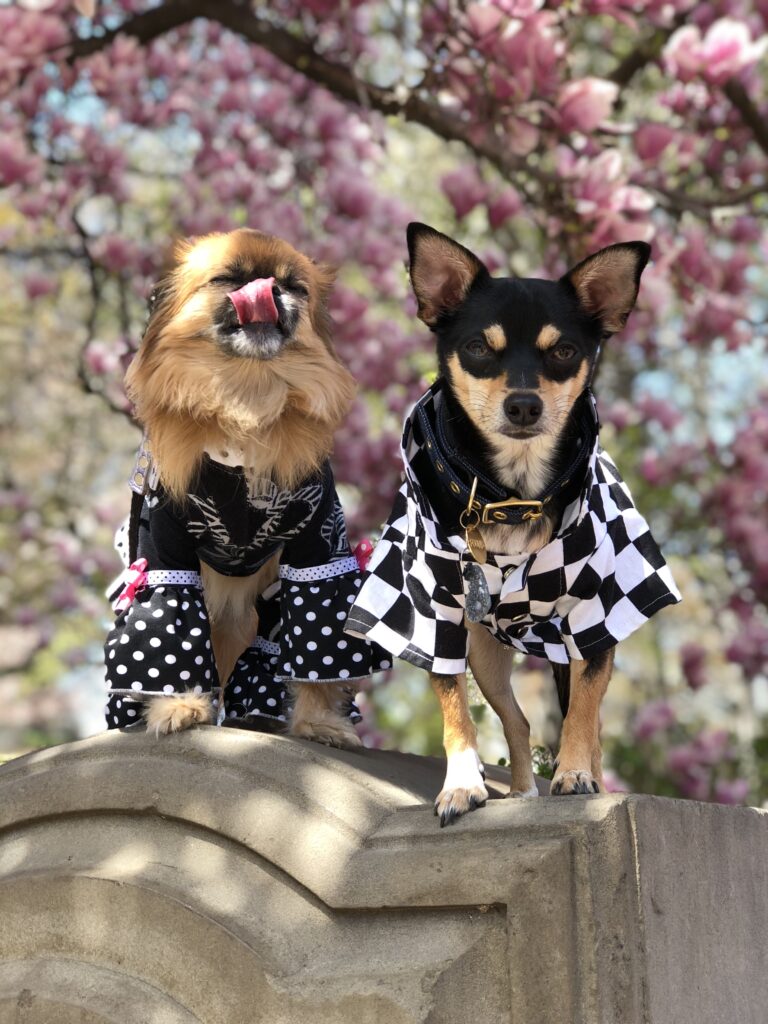
Facts about Magnolia flowers and trees:
- Fruit and Seeds: After flowering, they produce conelike, bright pink, or red seed pods that attract birds and small mammals.
- Ancient History: Fossils indicate Magnolias existed during the time of dinosaurs, showcasing extreme resilience. Magnolias evolved on Earth as far back as 95 million years ago during the Cretaceous period. While there were dinosaurs at that time, bees still did not exist, so magnolias evolved to be pollinated by ancient insects—you may know them today as beetles.
- Pollination Mechanism: Because they evolved before bees, their carpels are tough to protect against damage from beetles, which they attract for pollination.
- Bloom Time: Depending on the species, they bloom from late winter through early summer, with some species (like Star Magnolia) flowering before leaves appear.
- Symbolism: They symbolize longevity and resilience. In Chinese culture, they represent purity, while in the US South, they represent luck and hospitality.
- Southern Magnolia: The iconic southern species features large, fragrant white blooms, typically flowering in late spring/early summer.
- Edibility: In some cultures, magnolia buds and petals are pickled and used as a condiment or to flavor tea.
- Pollinator Connection: The flowers produce thick, waxy, or velvety tepals, as they need to withstand the beetles that scramble over them to pollinate.
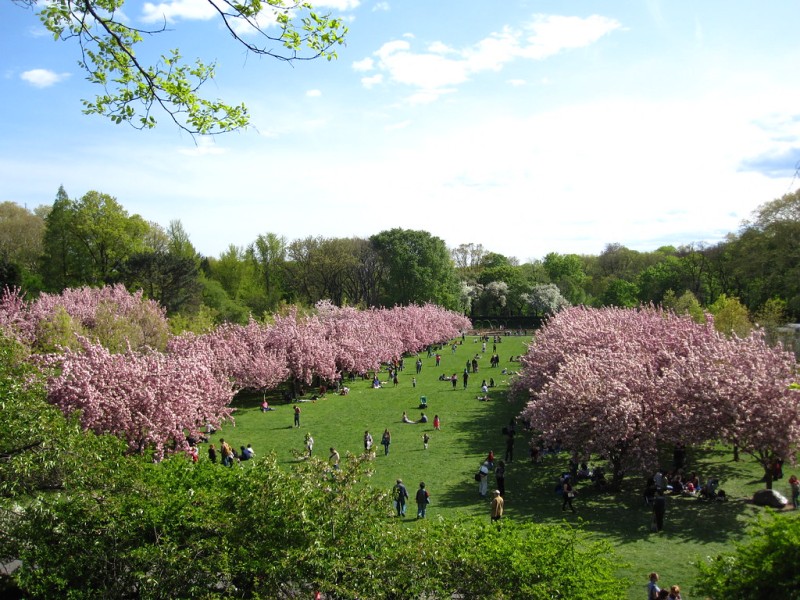
🌸 Mid-April – Early May: Cherry Blossom Season
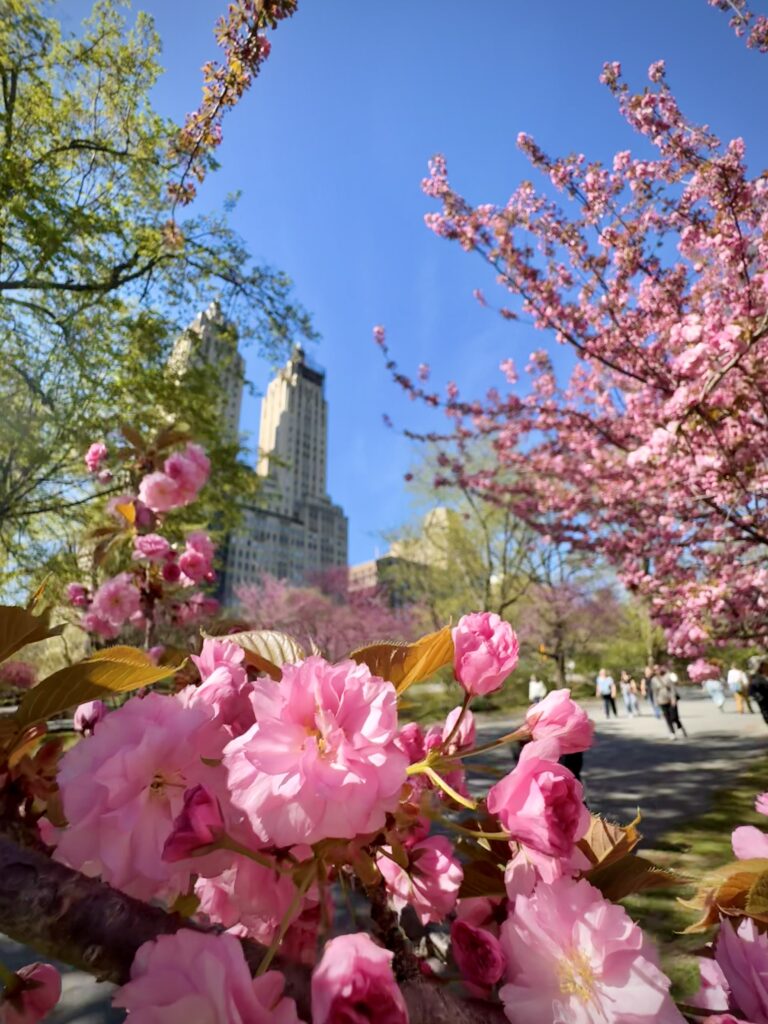
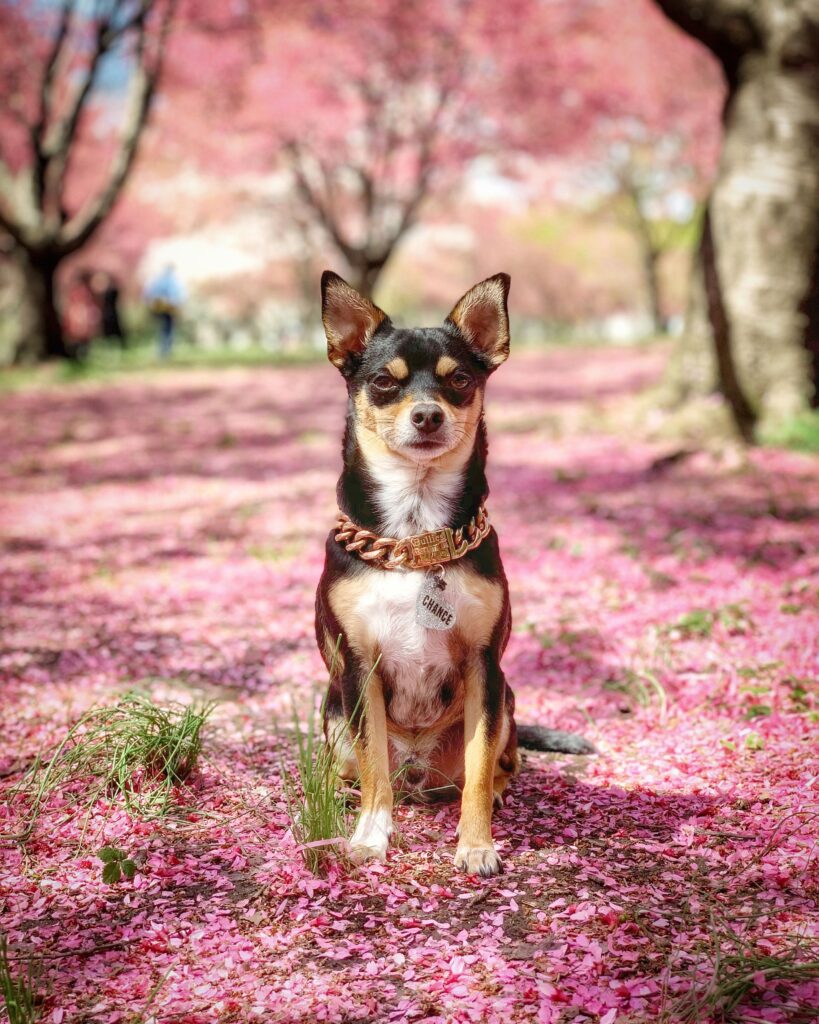
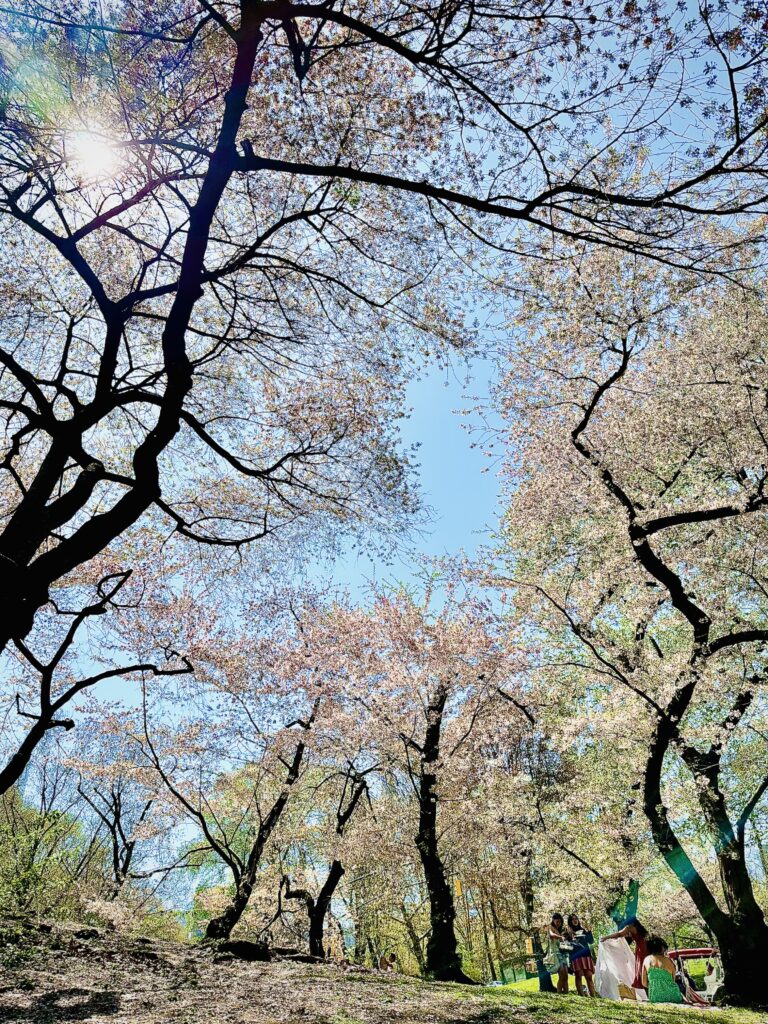
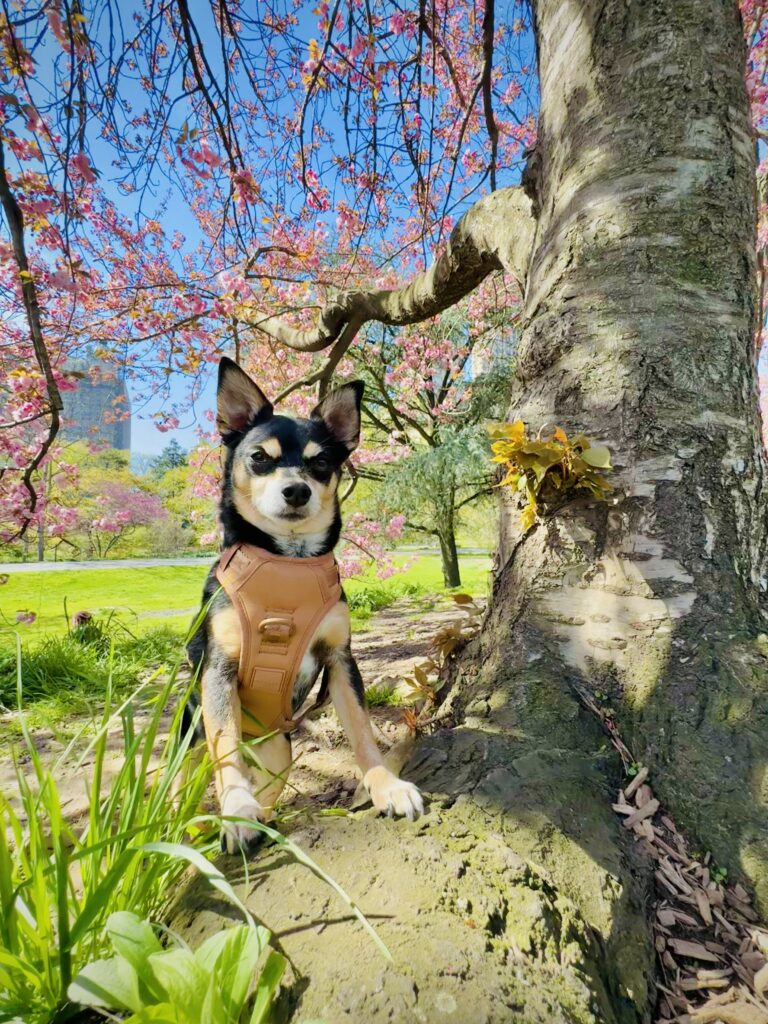
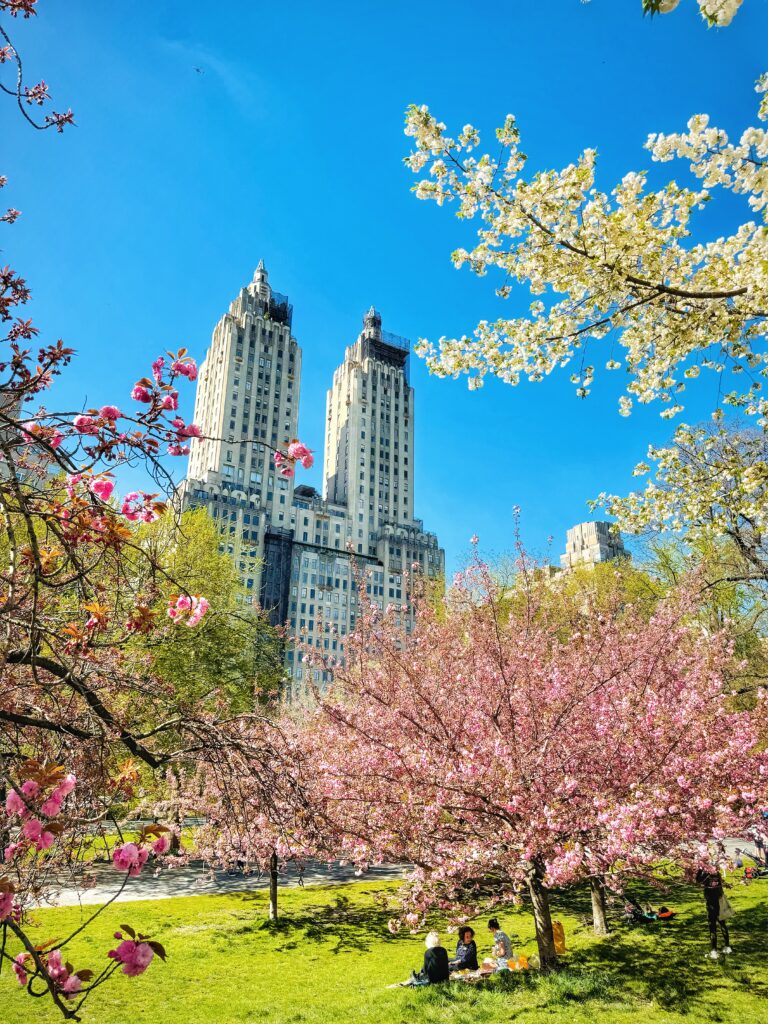
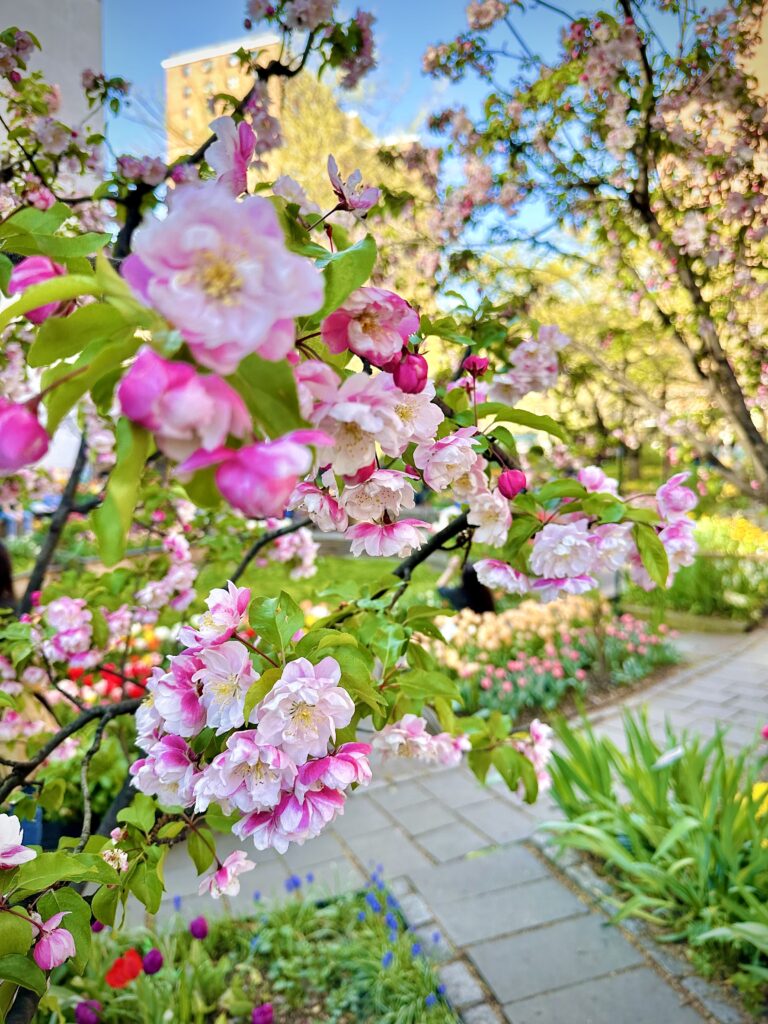
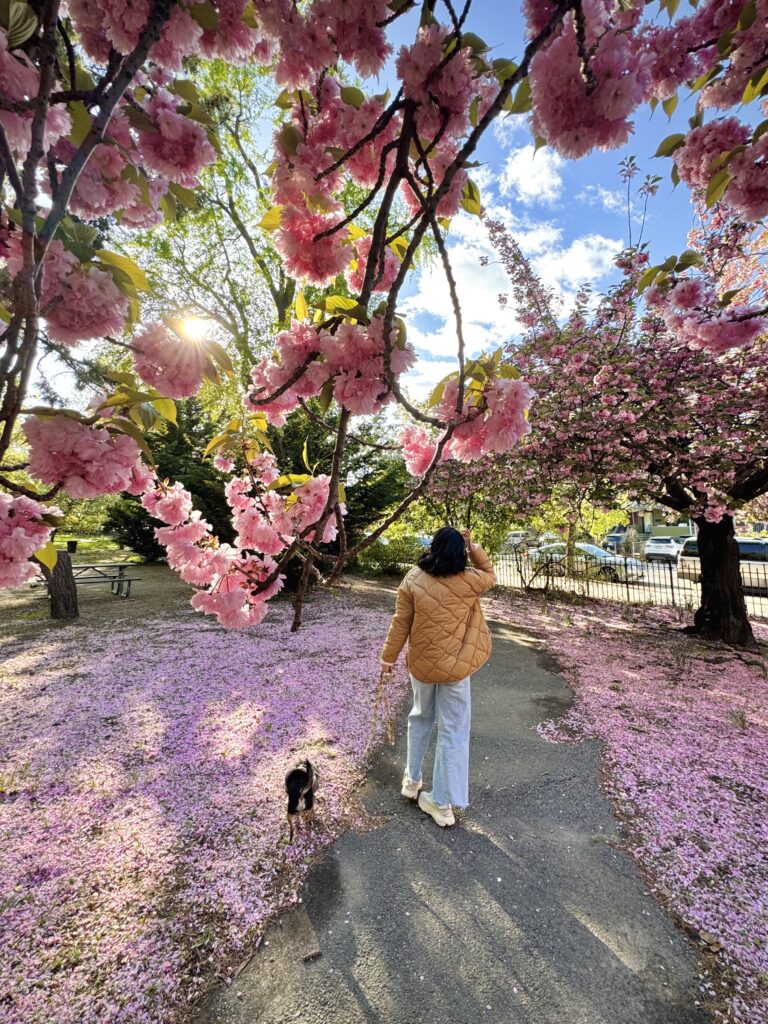
NYC cherry blossom season generally runs from late March to mid-April, featuring over 30,000 trees across all five boroughs, with major concentrations in Central Park, Brooklyn Botanic Garden, and Sakura Park. The tradition began with a 1912 gift from Japan, with popular varieties including Yoshino (white/light pink) and Kwanzan (fluffy, dark pink).
Top cherry blossom viewing spots:
• Cherry Hill (Central Park)
• Pilgrim Hill (Central Park)
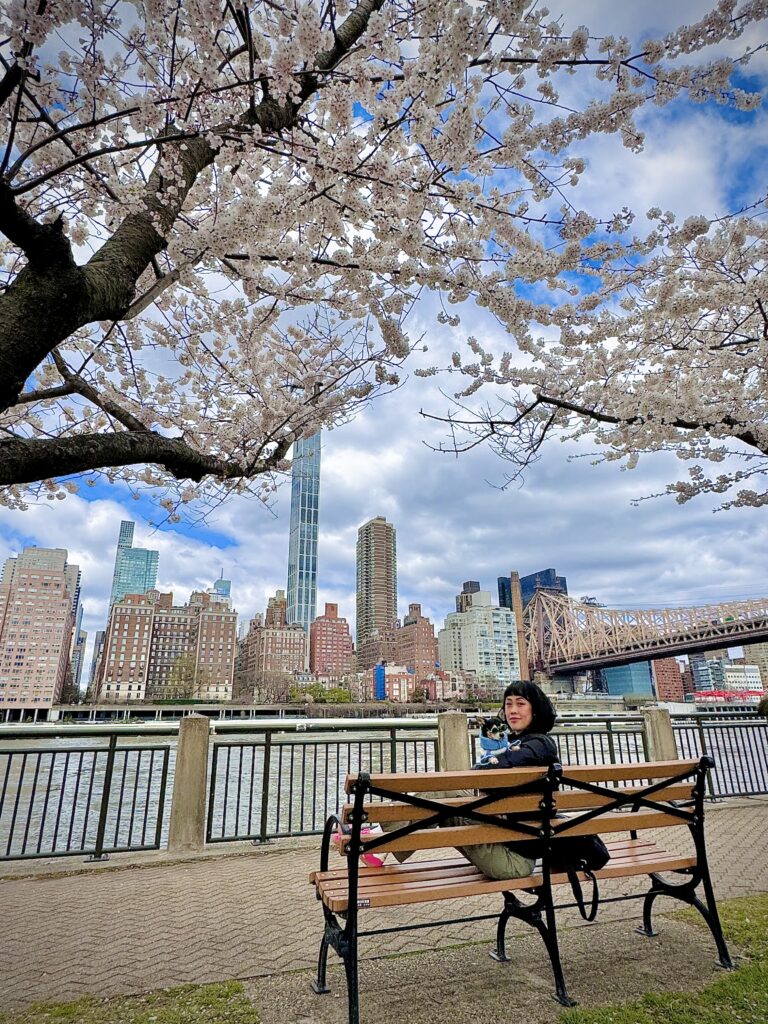
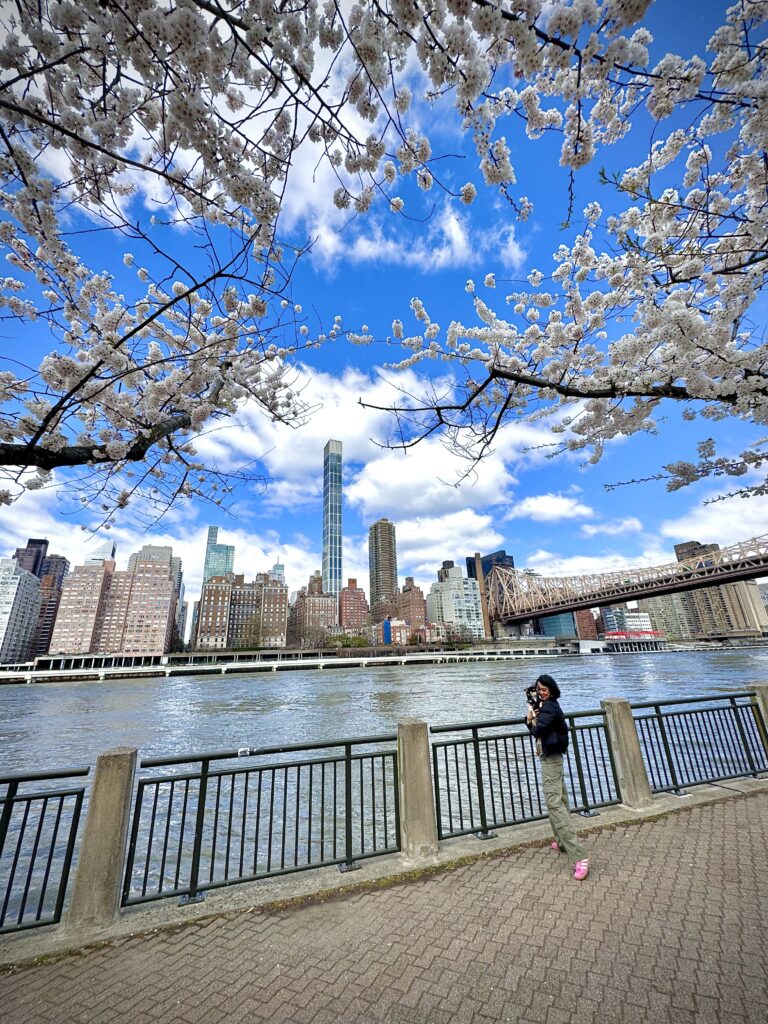
• Roosevelt Island waterfront
• Hunter’s Point South Park
• Sakura Park
• Riverside Park
• Sunset Park

Cherry Blossom Facts
- Origin & Symbolism: Originally from China’s Himalayan Highlands, they are deeply rooted in Japanese culture, representing beauty, mortality, and the transience of life.
- Blooming Season: The peak bloom usually occurs around April 4th, with individual trees blooming for only 4–14 days, often in shades of white, light pink, or yellow-green.
- Most Common Type: The Somei-yoshino is the most common variety in Japan, making up 80% of the population, and is propagated through grafting, meaning they are genetically identical.
- Lifespan: Many ornamental cherry blossom cultivars have a short lifespan, living only 30 to 40 years.
- Cultural Significance (Hanami): The tradition of hanami—viewing flowers—dates back to 812 C.E. and originally involved plum blossoms before shifting to cherry blossoms.
- Washington, D.C. Connection: Japan sent over 3,000 trees to D.C. in 1912 as a gift of friendship, which are celebrated annually with the National Cherry Blossom Festival.
- “Cherry Blossom Capital”: Macon, Georgia, is recognized as the world’s cherry blossom capital, boasting over 350,000 Yoshino cherry trees.
- Edible Uses: Cherry blossoms are used in Japanese cuisine, including sakura tea and sweets, often pickled in salt and vinegar.
- Oldest Trees: While many trees live for a few decades, some individual trees can live to be hundreds or even up to 2,000 years old.
- Climate Impact: Due to climate change, cherry trees are beginning to bloom earlier each year.
🌷 April – May: Tulip Season
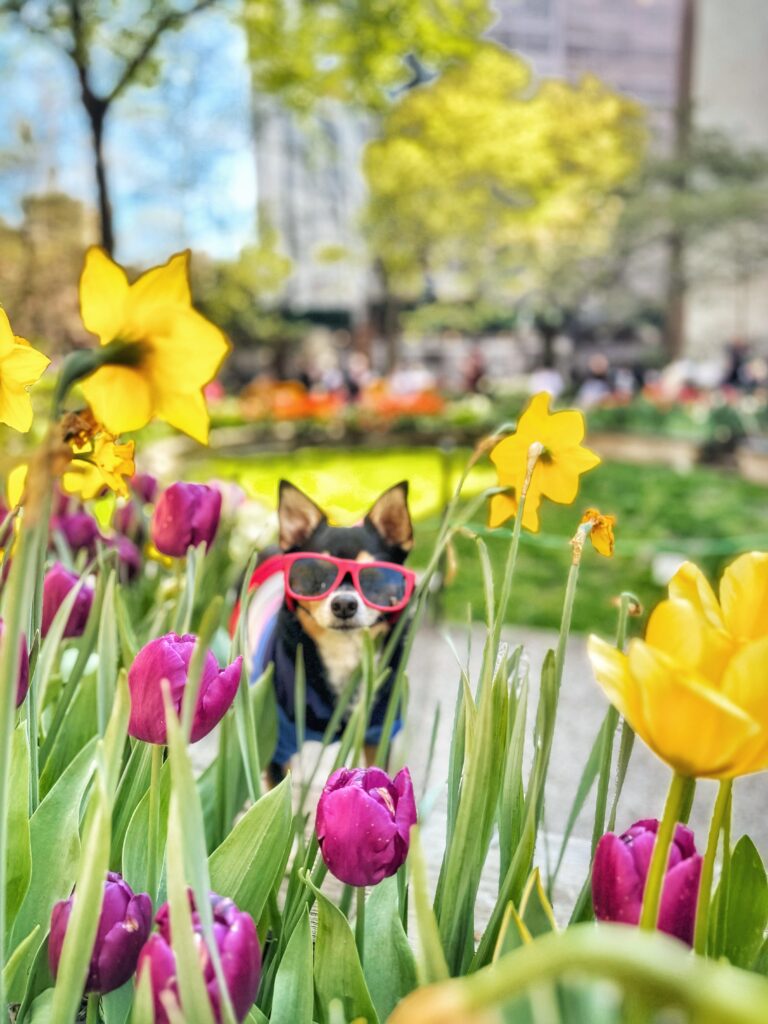
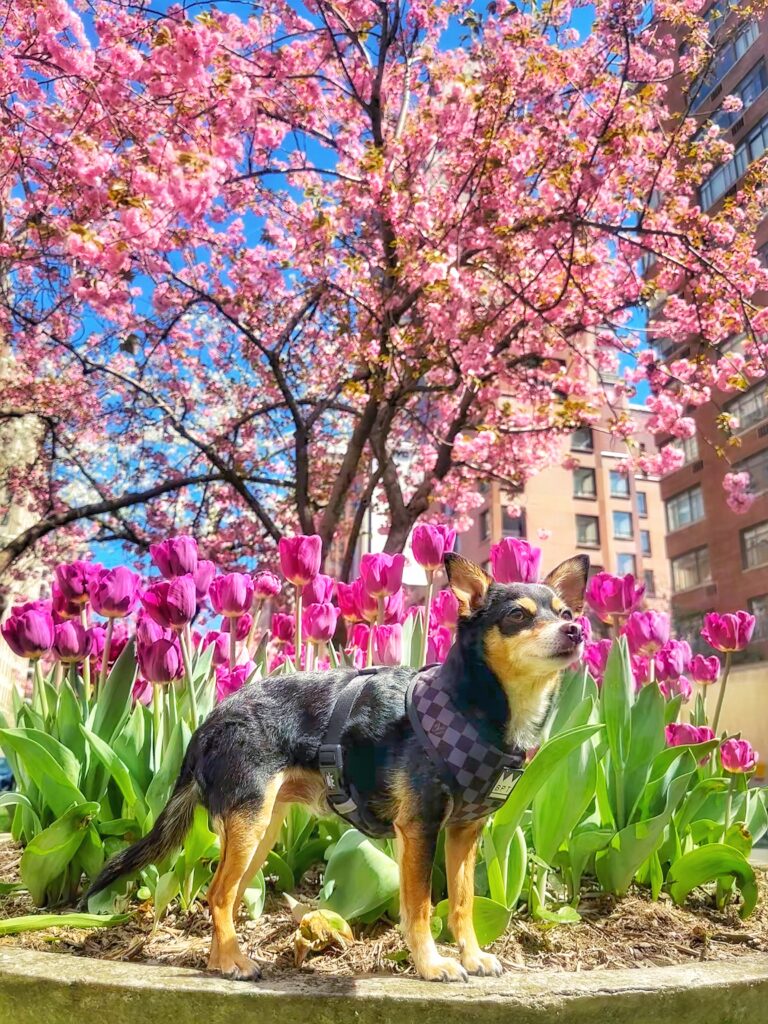
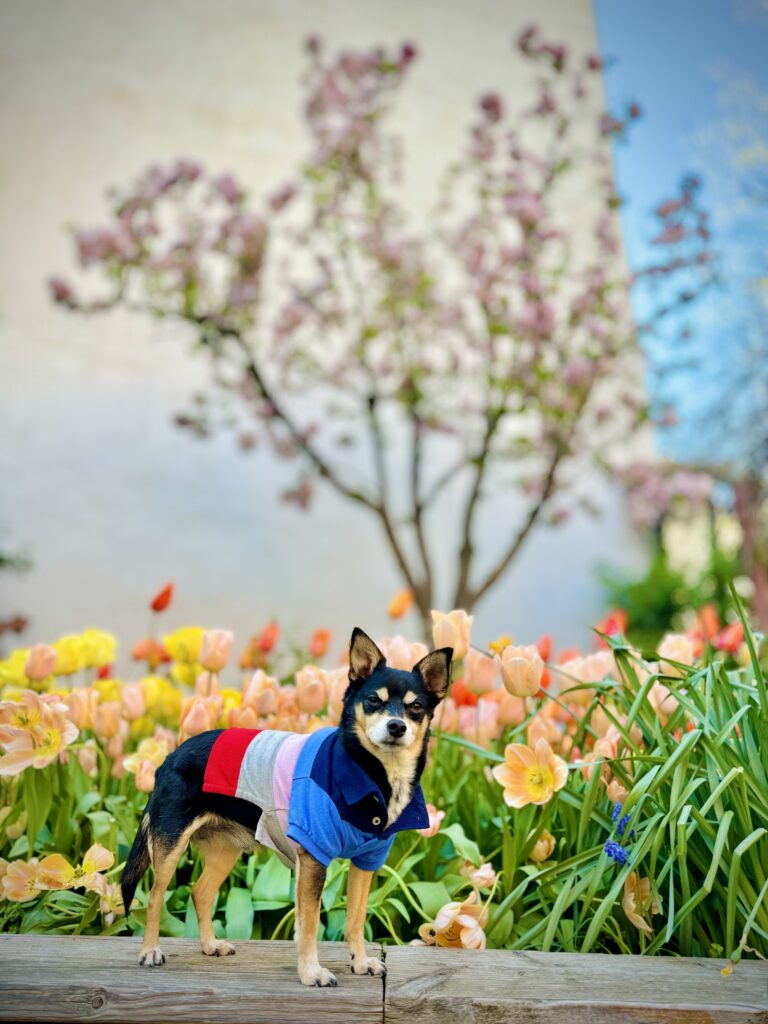
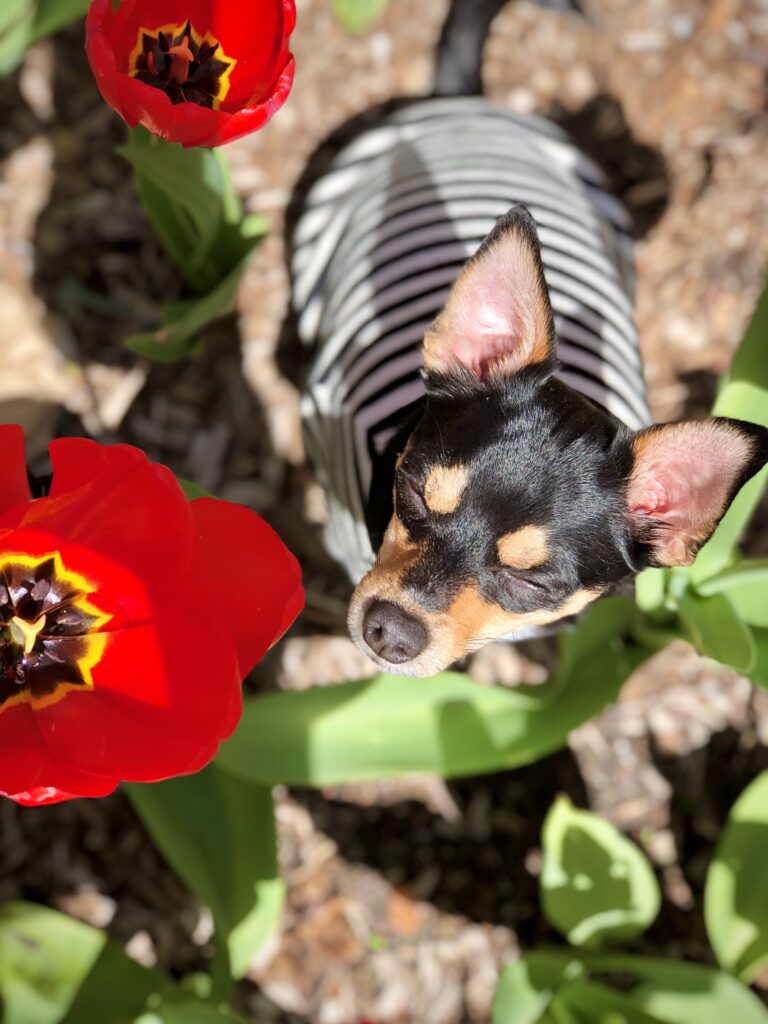
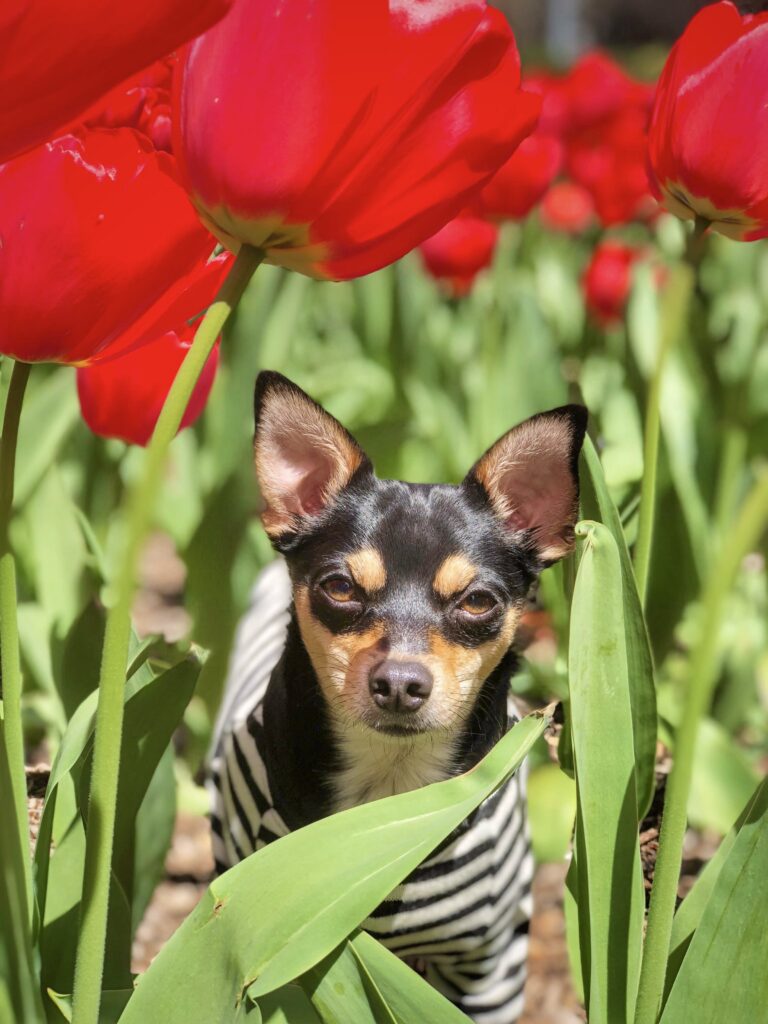
Tulips are not native to the Netherlands but originated in Central Asia, with their name derived from the Persian word “delband” (turban). During the 1630s “Tulip Mania” in the Netherlands, these flowers were more valuable than gold. Fascinatingly, they continue to grow in a vase after being cut and can change color due to environmental factors.
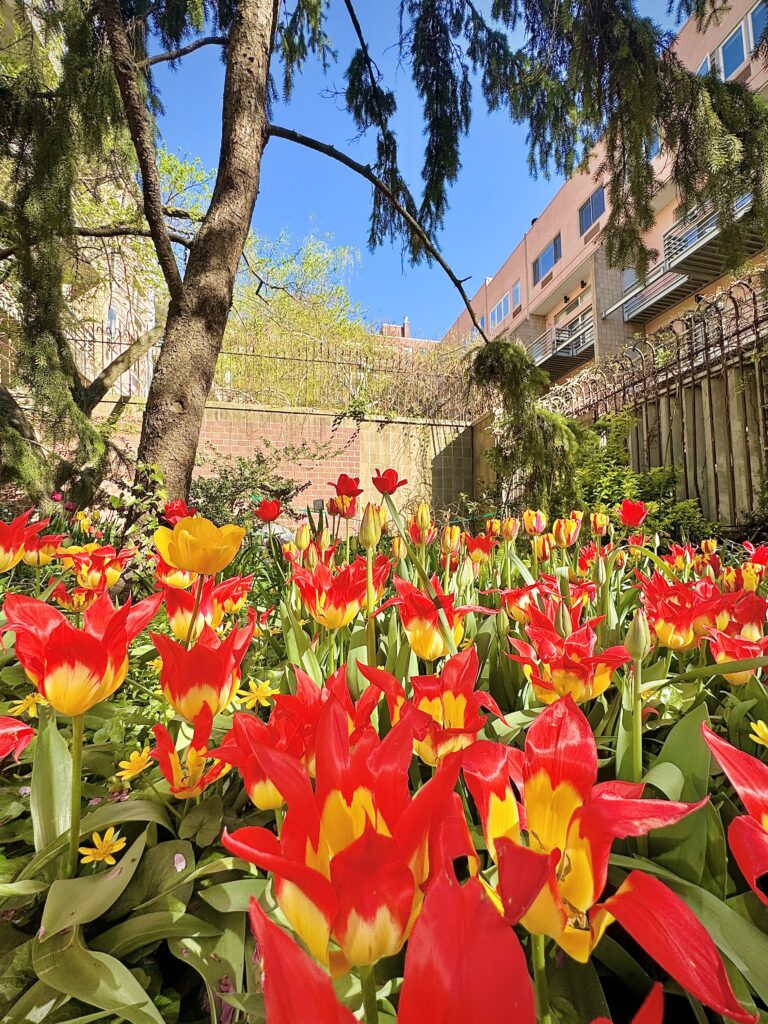
Bloom window: Mid April – Mid May. Tulips bring explosions of color to NYC gardens. Expect vibrant: reds, yellows, oranges, purples, striped hybrids
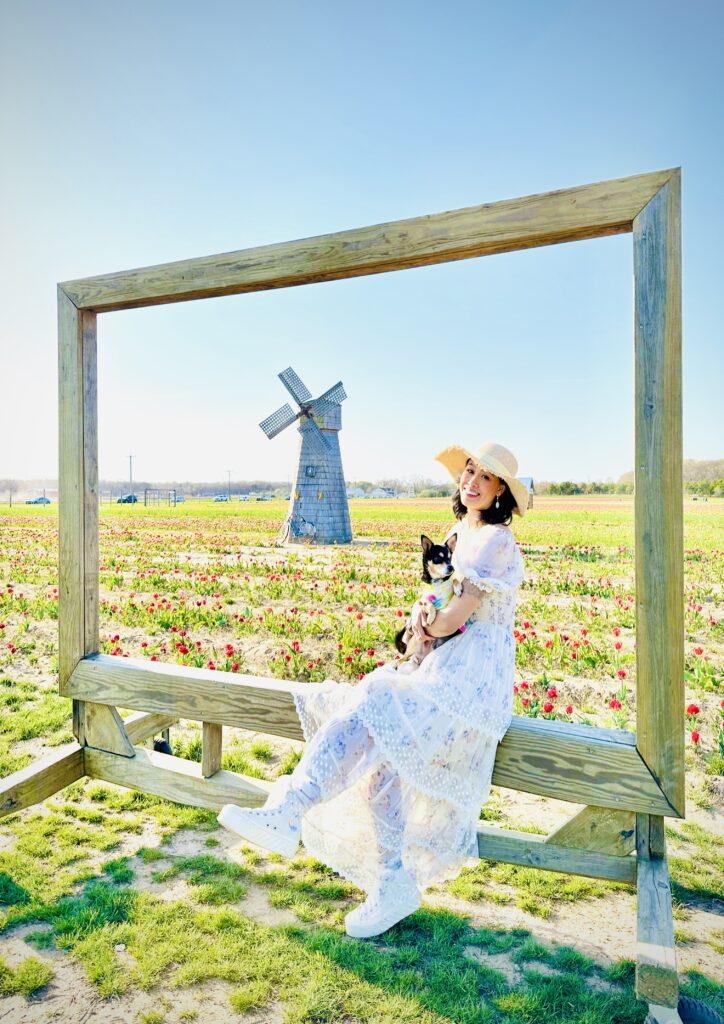
Best tulip locations: Waterdrinker Family Farm, Long Island ; Washington Square Park; Madison Square Park; Prospect Park gardens; West Side Community Gardens
Top 2026 Tulip experiences in NYC:
🌷 Free West Side Community Garden Festival (in April) Featuring thousands of blooms!
🌷 Tulip Magic Near NYC: Dog-Friendly WaterDrinker Family Farm
Spring blooms are calling! From April to May, WaterDrinker Family Farm in Manorville & Riverhead is bursting with tulips — and yes, leashed dogs are welcome. Just 2 hours from NYC, it’s the perfect day trip for families, friends, and pups.
🎟️ Tickets & Info: WaterDrinker Tulip Festival
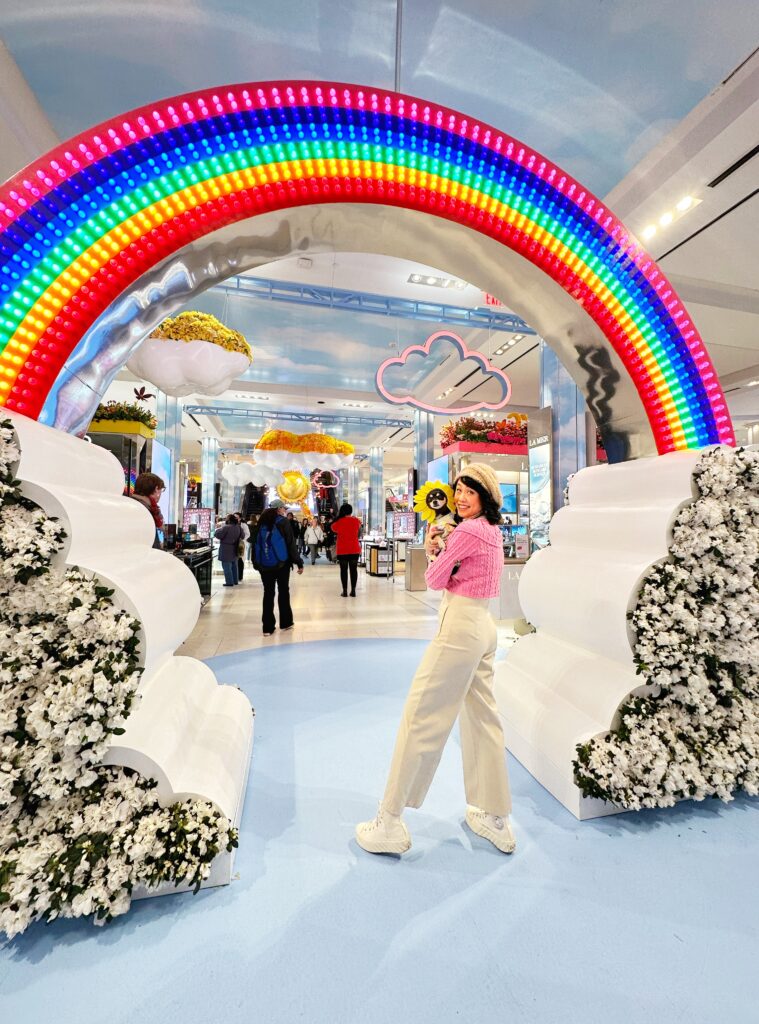
💐 2026 Macy’s Flower Show at Herald Square in NYC – Thursday. April 23 – Sunday. May 10
The 2026 Macy’s Flower Show at Herald Square in NYC, featuring a “Homegrown” theme to celebrate America’s 250th anniversary. This free annual event transforms the flagship store with thousands of flowers, plants, and trees during regular store hours.
Note: Because it’s one of the best free things to do in NYC in spring, this spot tends to attract a lot of visitors — including plenty of families and kids. If your pup isn’t used to busy environments or crowded pathways, you may want to skip this location and explore one of the quieter blossom spots instead.
Location: Macy’s Herald Square, 151 West 34th Street, New York, NY.
🌷 Tulip Facts 🌷
1. Tulips are originally from Central Asia
Although many people believe that tulips are from the Netherlands, they actually originate in the Tian Shan mountains of Central Asia and were first recorded to be cultivated by the Turkish people over 3,000 years ago. The flower wasn’t introduced to Western Europe until the 16th century.
2. There are over 100 species of tulips
When it comes to classifying tulips, two distinct categories emerge: species tulips and variations. Species tulips, or wild tulips, are nature’s original, unmodified form. In contrast, variation tulips are hybrids of different species tulips or genetically modified versions of species tulips. The diversity within these categories is vast, with over one hundred species tulips and more than 3,000 variation tulips. While species tulips typically feature smaller petals and less vibrant colors than variations, variations have been selectively bred over time to produce larger blooms and more striking hues.
3. There is a tulip in almost every color
Chances are high that you can find a tulip variation in your favorite color. Tulips range from pastels like soft pink, creamy white, and pale lavender to bold and vibrant shades like red, orange, and deep purple. There are even tulip varieties in striking multicolor combinations, gradients, and patterns like stripes and speckles. Some tulips can astonishingly change color due to age or environmental factors.
4. Tulips can keep growing after being cut
Even after being cut from their stems, tulips exhibit a fascinating trait – they can continue to grow, making them a popular choice for floral arrangements. Placing cut tulips in a vase with water triggers survival mechanisms in the flowers, prompting them to elongate their stems in search of nutrients so they remain fresh for longer after being cut.
5. Some tulip petals are edible
Certain tulip petals are surprisingly safe to consume. In many culinary traditions, tulip petals can add a touch of elegance and color to various dishes. These petals boast a mild, slightly sweet taste as a garnish in salads, desserts, and cocktails. However, it’s important to note that not all tulip varieties are safe for consumption. Exercise caution and only use edible tulip varieties in the kitchen.
6. Tulip Mania was a real phenomenon
In the 1600s, the Netherlands went through a strange socio-economic phenomenon where tulip bulbs became extraordinarily valuable. Many historians believe this to be the first-ever recorded economic bubble. At the height of “Tulip Mania,” one tulip bulb could be sold for enough guilders (Dutch currency) to purchase a large home. Why such a high price? Tulips had been recently introduced to the Netherlands in the late 1500s and were considered a rare commodity.
7. Tulips are very symbolic
Tulips hold many different meanings in various cultures across the world. In Western societies, they represent love and romance. In Persian and Turkish traditions, tulips alert on the arrival of spring, symbolizing renewal and rebirth after the cold winter months. Durch cultures associate tulips with wealth and abundance due to their tulip-crazed history. Color is also essential in symbolism: red tulips often symbolize passion, yellow could symbolize happiness or innocence, and white could symbolize purity.
8. Tulip Festivals are held around the world
Various regions host tulip festivals to celebrate the beauty of these spring flowers. From the iconic fields of Keukenhof Gardens in the Netherlands to the colorful displays in Ottawa, Canada, tulip festivals attract visitors worldwide. These events celebrate the beauty and diversity of tulips, offering a feast for the senses with vibrant blooms in breathtaking settings. Whether it’s the expansive fields of Skagit Valley in Washington State, USA, or the historic Istanbul Tulip Festival in Turkey, each festival showcases the unique cultural significance of tulips while uniting enthusiasts in admiration of these beloved flowers.
💜 May – June: Lilacs, Redbuds & Wisteria


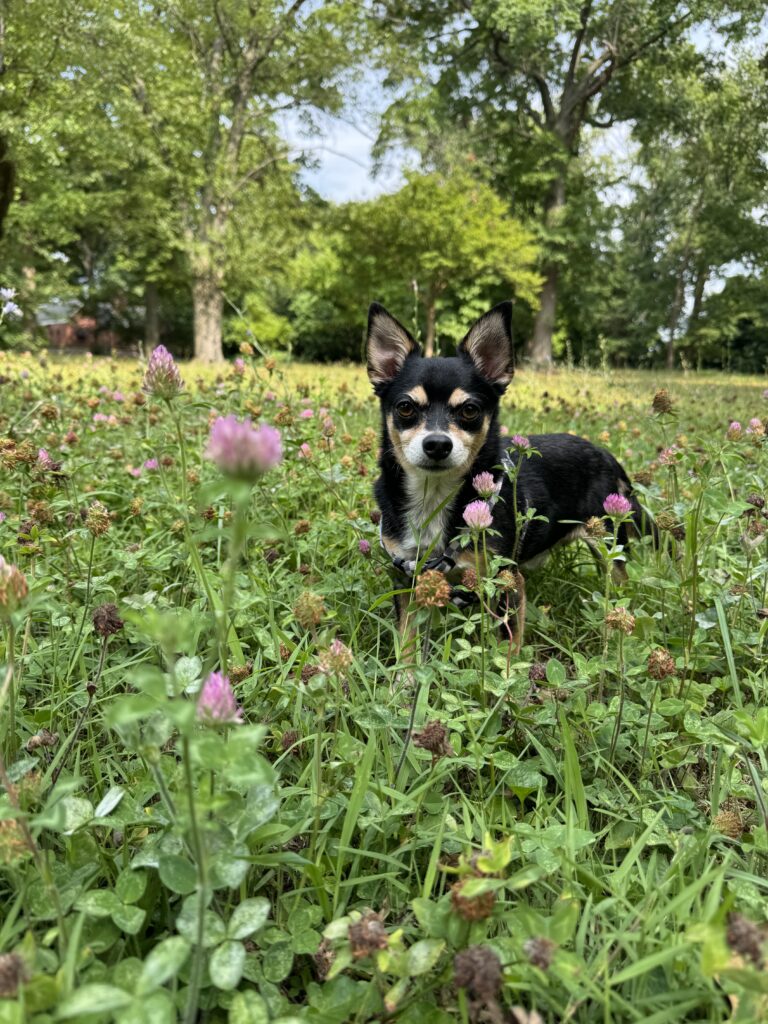
Lilacs are long-lived, fragrant shrubs in the olive family (over 1,000 varieties) that can survive -60°F, while Redbuds are native understory trees known for blooming directly on their trunks (cauliflory) and for historically treating respiratory issues. Wisteria are fast-growing, long-lived woody vines in the pea family that are toxic, yet often used to enrich soil with nitrogen.
Bloom window: May – Early June
Late spring brings some of the most fragrant flowers in the city.
Lilacs
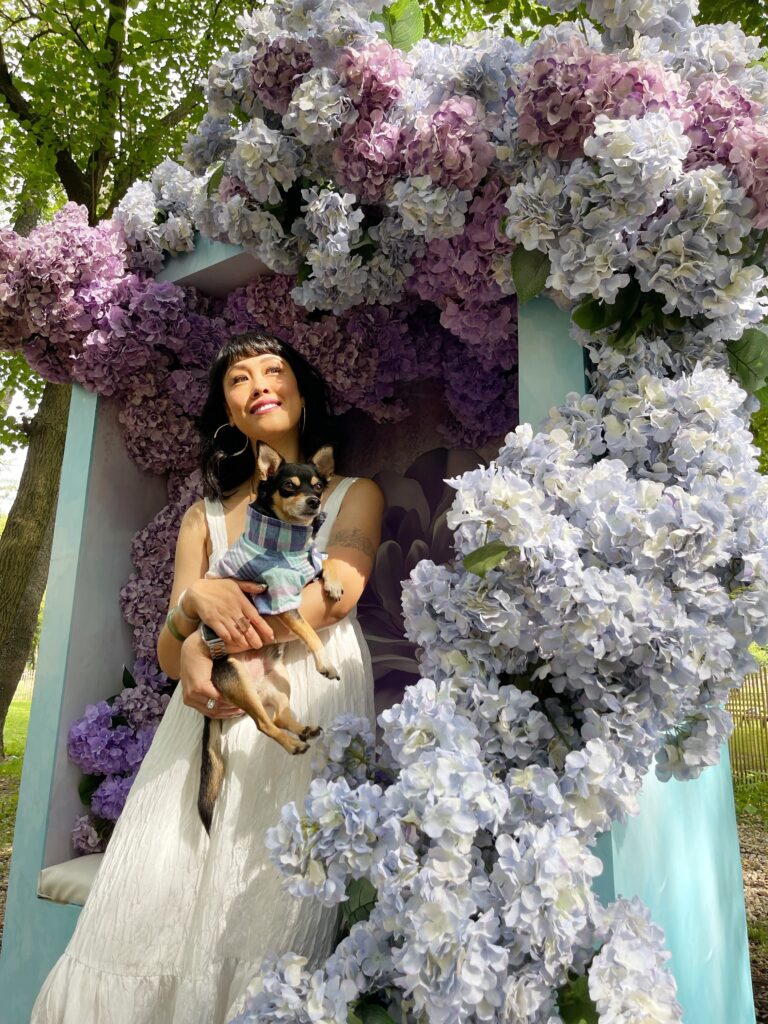
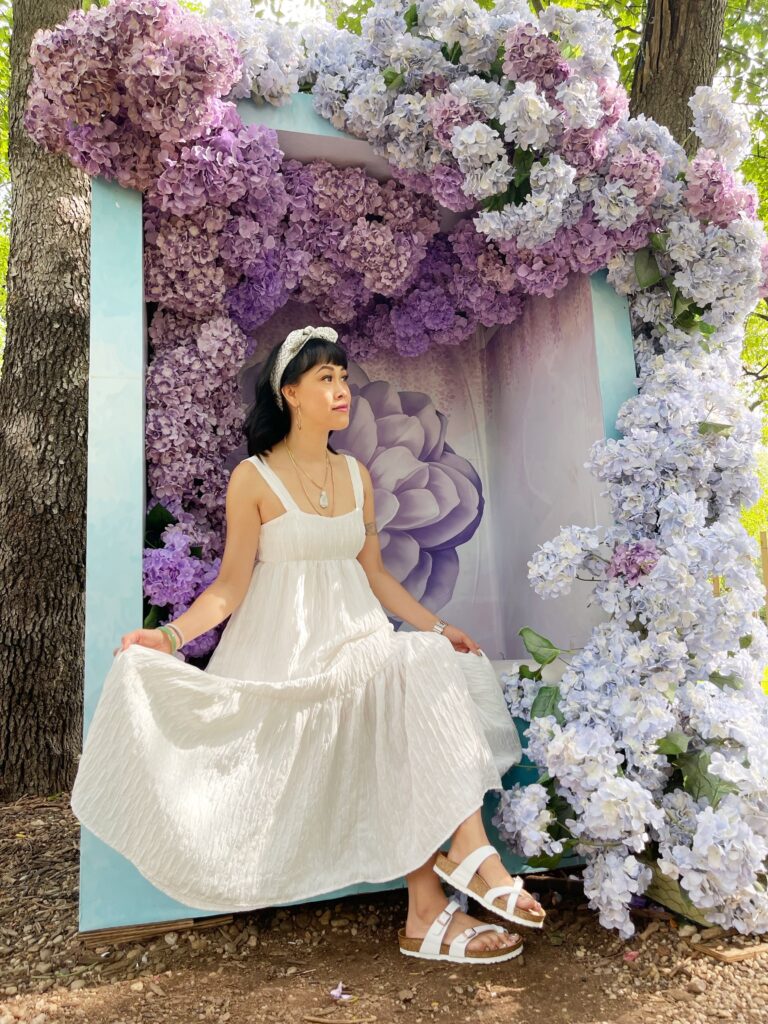
Lilac season is short and sweet, but it’s never too late to celebrate these fragrant spring blooms! Loved by hummingbirds, butterflies and humans alike, lilacs make our gardens feel (and smell) like summer is on its way. Whether you’re lucky enough to have a few bushes in your garden, or have been enjoying them in your neighborhood, here are 10 fun facts you may not have known about these favored flowers.
- Lilac oil is used in aromatherapy for relaxation.
- There are more than 1,000 varieties of lilacs.
- Lilacs are edible; try making lilac sugar, use them to accent your favorite baked goods or add to a floral spring cocktail!
- Wood from lilac trees is used to make musical instruments, knife handles, and more!
- Lilac bushes can live for more than 100 years.
- Most varieties only flower for about three weeks in the spring. We’re all sad to be at the end of lilac season now, but some late bloomers might still be enjoyed!
- Lilacs are in the olive family, oleaceae.
- Colonists first brought over lilacs from Europe in the 1750’s.
- Celtics regarded lilacs as magical because of their sweet, intoxicating scent.
- Both George Washington and Thomas Jefferson were said to have an affinity for lilacs, and grew them in their gardens.
Eastern Redbud

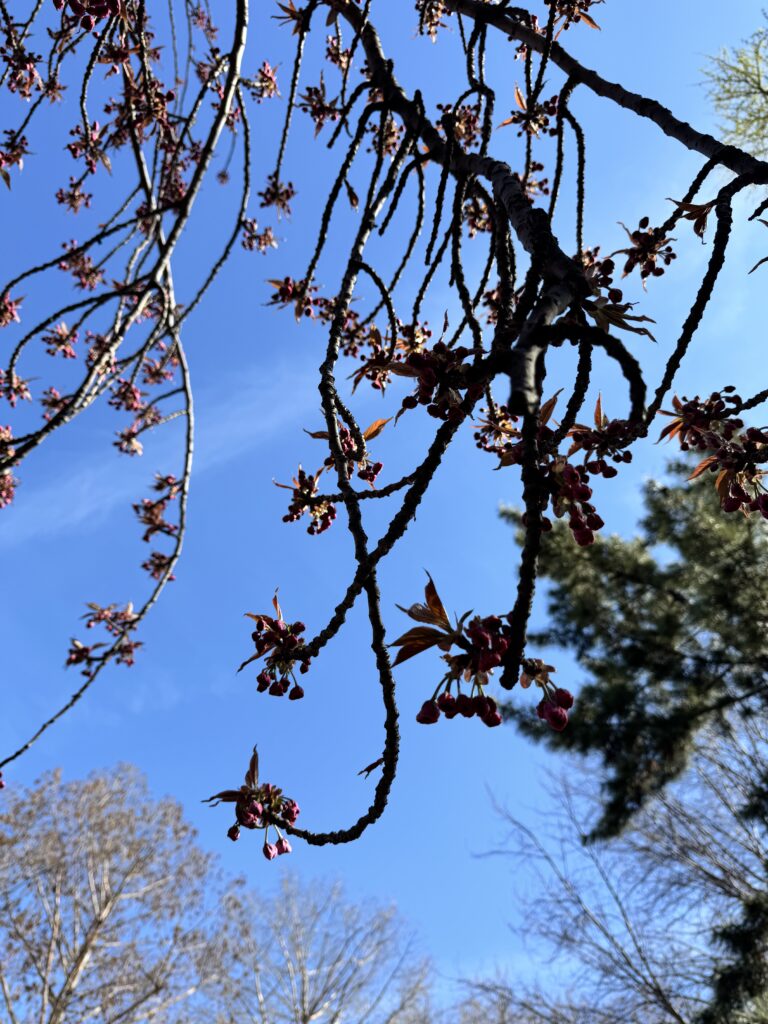
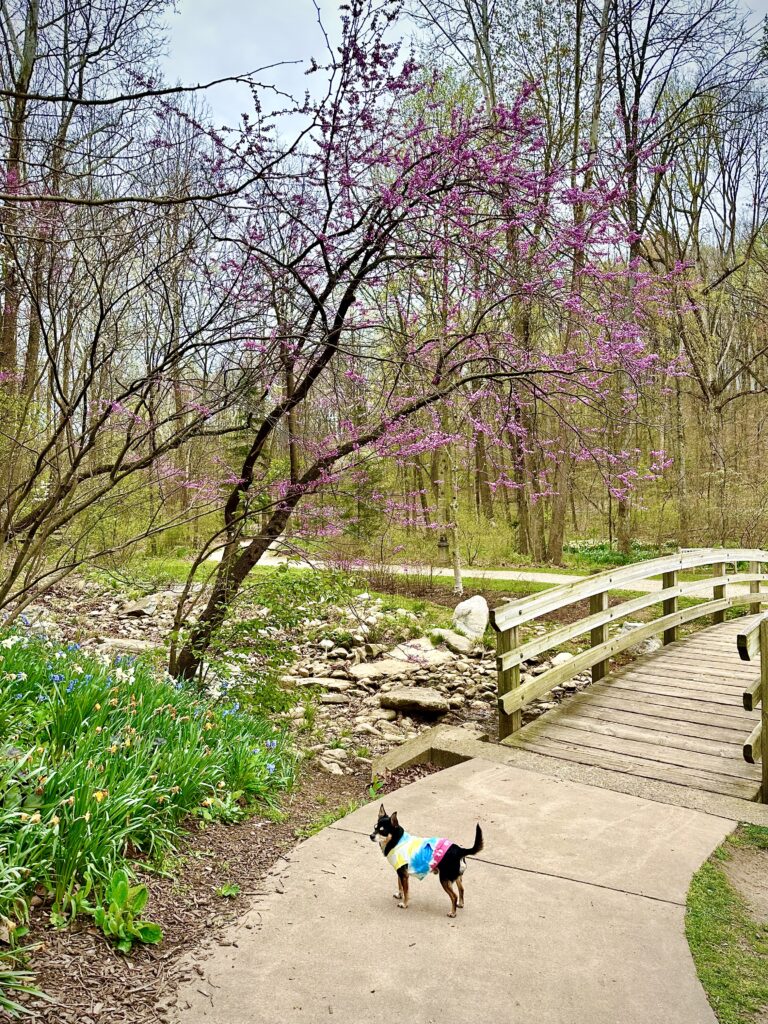
- Flowers Grow on the Trunk: Unlike most trees, redbuds are cauliflorous, meaning their flowers bloom directly along the branches and main trunk, creating a unique,, almost fairy-tale-like appearance.
- Edible Blooms: The vibrant, pea-like flowers are edible, offering a crisp, citrusy taste that can be added to salads or used as a garnish.
- Sign of Spring: Redbuds are among the first trees to bloom in NYC, often signaling the end of winter with bright pink colors in late March to mid-April.
- Iconic Status: A notable Eastern Redbud in Brooklyn’s McGolrick Park was recently named to the NYC Parks’ “Great Trees of New York City” list for its beauty and significance.
- Heart-Shaped Leaves: In late spring and summer, the tree features large, distinctively heart-shaped, glossy green leaves.
- Pollinator Friend: The flowers are a vital food source for early-season bees, particularly long-tongued carpenter bees.
- Native Survivors: They are hardy native trees, capable of growing in both sunny and shaded areas of the city.
- Year-Round Interest: Beyond spring flowers, they produce bean-like seed pods that hang on through the winter, providing visual interest.
- Variety in Foliage: While typically green, some cultivars, like ‘Forest Pansy,’ have stunning, deep purple leaves
Wisteria
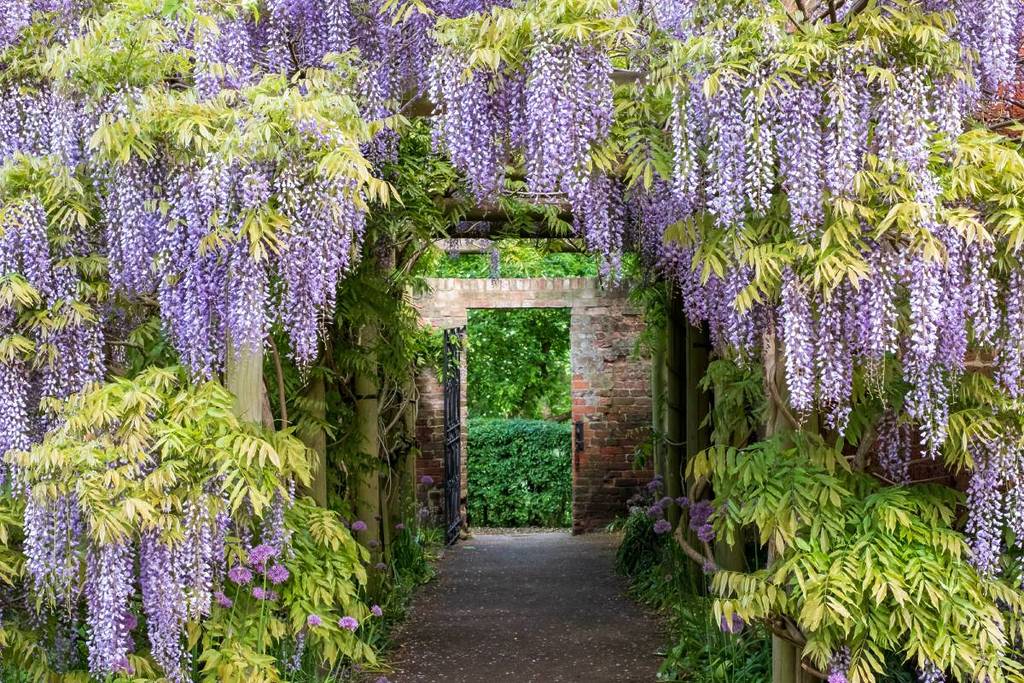
Wisteria in NYC are, fragrant, fast-growing vines that bloom in late April to mid-May, creating stunning lavender, purple, and white, cascades over brownstones, fences, and in parks like the Conservatory Garden. These highly invasive, woody vines can grow over 10 feet per year and, if not pruned, can destroy structures, choke trees, and are toxic if ingested
Fun Wisteria Fact:
- Wisteria vines create dramatic purple flower waterfalls across pergolas and fences.
- Legume Family: Wisteria is a member of the pea/bean family, meaning they can fix nitrogen, which enriches the soil.
- Highly Toxic: All parts of the plant, especially the seeds and pods, contain poisonous substances (lectin and wisterin).
- Long-Lived & Aggressive: Vines can live for over 100 years, and some in Japan are over a thousand years old, with extremely fast, destructive growth.
- Edible Flowers: Despite the plant’s toxicity, some Asian wisteria flowers are used in traditional recipes (though they should not be consumed without expert knowledge due to the high toxicity of the rest of the plant)
Where can I find wisteria in NYC?
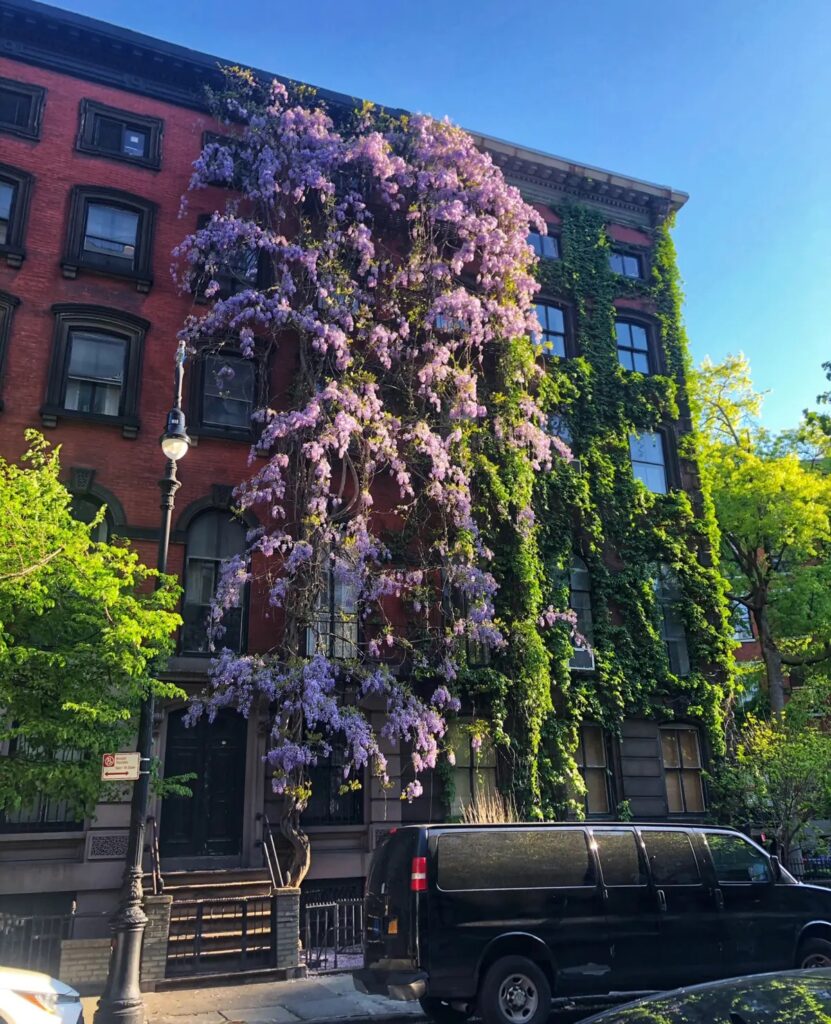
Unfortunately there aren’t any maps that track wisteria blooming in NYC–unlike this one which tracks cherry blossoms blooming around Central Park–but if you’re open to a bit of frolicking you’re likely to spot some wisteria blooming in the following places:
- East Village – In the East Village you can typically find wisteria adorning the various townhouses dotted throughout the neighborhood. The brownstone located at 35 Stuyvesant is the most well known for being draped with the purple petals each spring, though the display definitely varies year over year.
- West Village – The West Village is also known for wisteria vines climbing up the various brownstones.
- Chelsea – West 22nd Street between 9th and 10th Avenues typically has some lovely displays of wisteria.
- Upper West Side – Possibly one of the most picturesque displays of wisteria. in NYC is on the Upper West Side, where the blooms surround townhouse windows. The neighborhood’s most reliable wisteria location is 33 West 74th Street. West 81st Street is also a reliable street to spot wisteria blooms.
- Upper East Side – Similar to on the west side, wisteria loves to beautify the brownstones on the east side.
- Central Park – Wisteria Pergola at the Mall around 70th St. – this long wooden trellis is covered in wisteria vines that bloom in the spring, shading rows of benches beneath–it’s almost like a full wisteria garden in NYC!
- Conservatory Garden at East 104th St. In NYC, wisteria blooms feel like stepping into a secret garden moment.
🌻 July – August: Sunflowers & Lavender
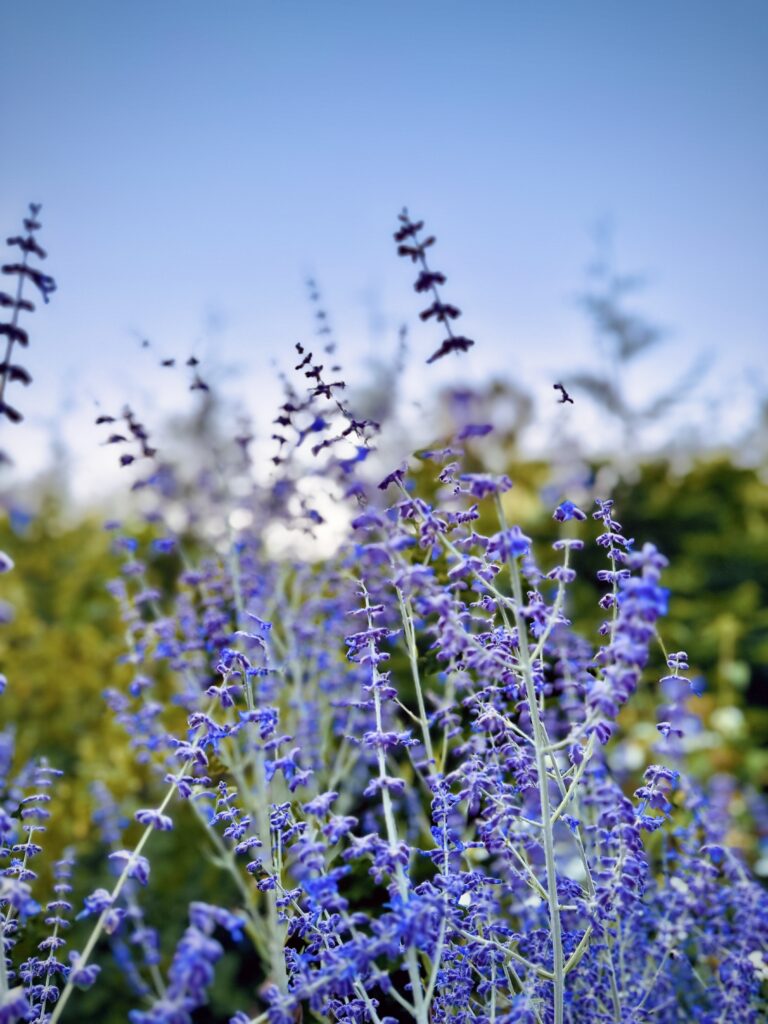
Waterdrinker Farm
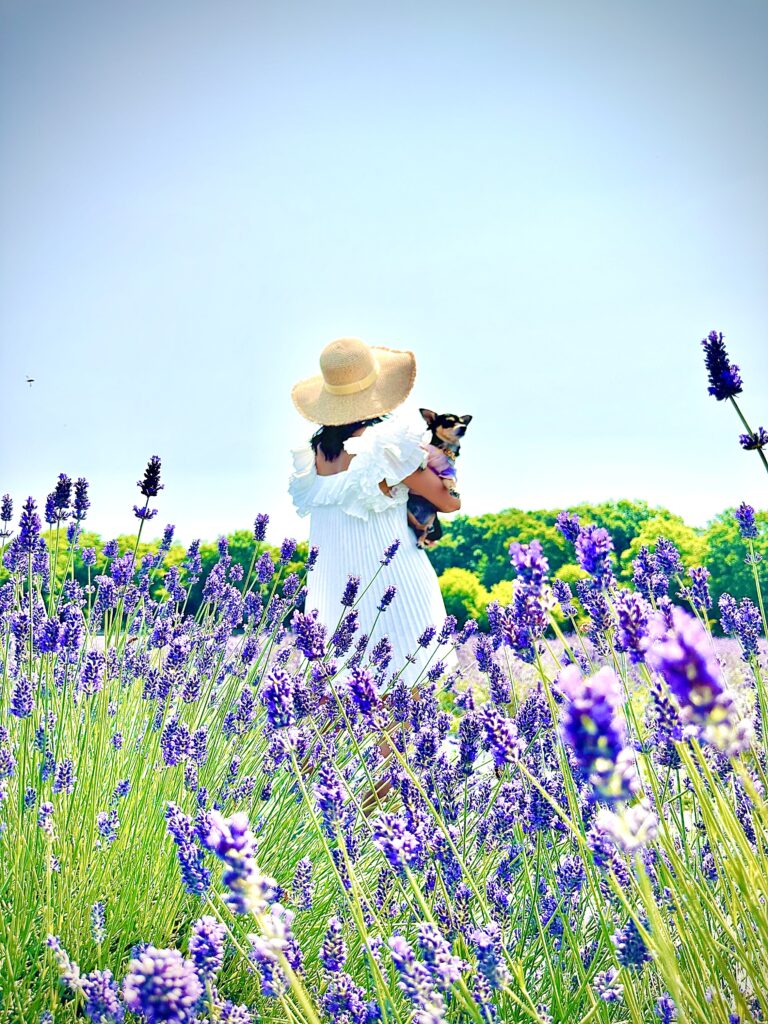
Lavender by the Bay
Lavender by the Bay
If you’re willing to venture outside the city, Long Island offers breathtaking summer flower fields.
Lavender Fields
Rows of purple lavender bloom across the North Fork.
Fun facts:
• Lavender has been used for 2,500+ years.
• Ancient Romans used lavender in baths and perfumes.
• The scent is proven to reduce anxiety and improve sleep.
Sunflower Fields
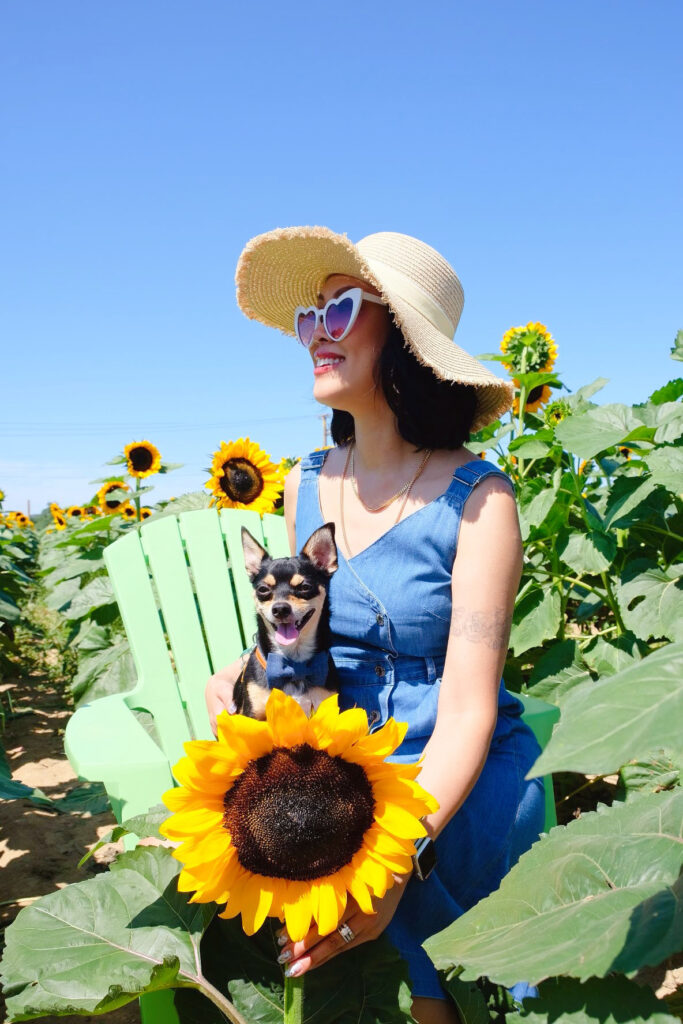
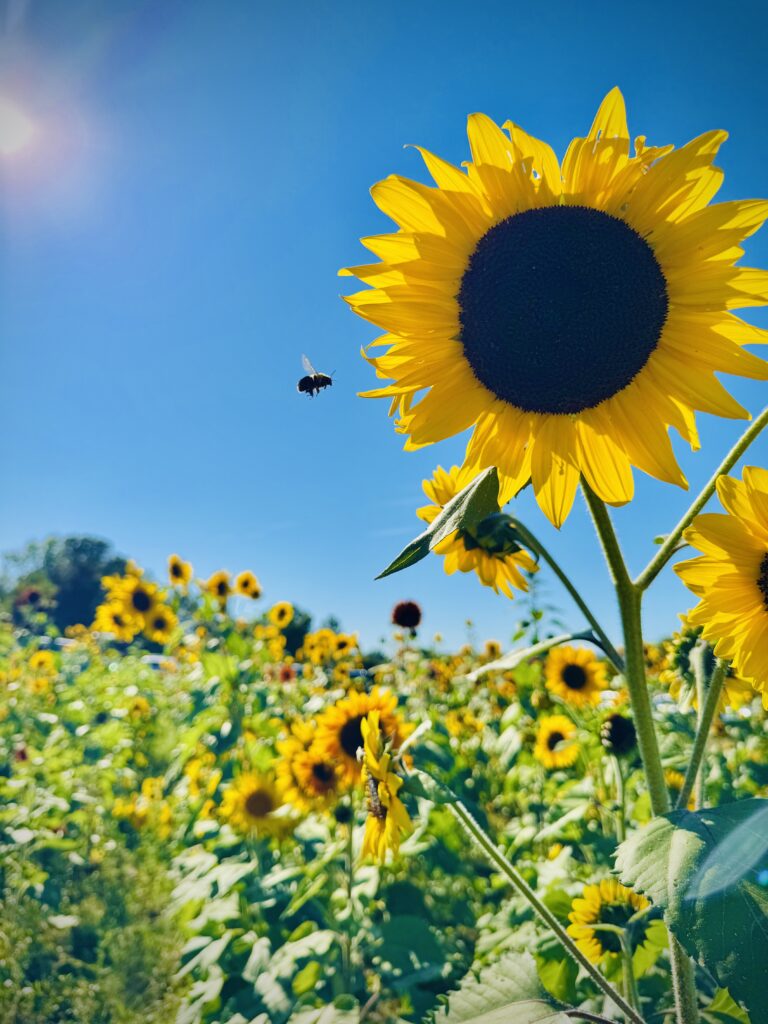

Sunflowers are one of the happiest flowers in nature.
They naturally turn toward the sun, a phenomenon called heliotropism.
Sunflower fields create stunning golden landscapes perfect for summer photography.
🐾 Many farms allow dogs on leash — always check current policies before visiting.
🐾 Tips for Exploring NYC Blooms With Your Dog
To keep flower adventures safe and enjoyable:
✔ Keep dogs on leash near flower beds
✔ Visit early mornings for fewer crowds
✔ Bring water for your pup
✔ Avoid letting dogs walk through planted areas
Responsible exploring helps protect the blooms for everyone.
🌸 10 Hidden Flower Spots in NYC Most Locals Don’t Know About (Quick Bloom Chart)
| Hidden Flower Spot | Borough | Best Bloom Season | What Makes It Special |
|---|---|---|---|
| Sakura Park | Manhattan | April | Quiet cherry blossom grove with Hudson River views; far less crowded than Central Park. |
| West Side Community Garden | Manhattan | April–June | Secret volunteer-run garden filled with tulips, roses, and climbing flowers that feel like a European courtyard. |
| Fort Tryon Park Rose Garden | Manhattan | May–June | One of NYC’s largest public rose gardens with hundreds of rose varieties and dramatic Hudson River views. |
| Roosevelt Island | Manhattan / Queens | April | A stunning waterfront cherry blossom promenade with skyline views and fewer crowds. |
| Snug Harbor Cultural Center & Botanical Garden | Staten Island | April–June | Massive botanical complex with wisteria tunnels, cherry blossoms, peonies, and a Chinese scholar garden. |
| Green-Wood Cemetery | Brooklyn | April–May | Historic arboretum with thousands of trees, magnolias, and cherry blossoms across rolling hills. |
| Hunter’s Point South Park | Queens | April | Cherry blossoms along the East River with one of the best skyline photo views in NYC. |
| Riverside Park | Manhattan | April–May | Long waterfront park with lilacs, cherry blossoms, and flowering dogwoods along peaceful walking paths. |
| Wave Hill | Bronx | March–June | Hidden botanical estate overlooking the Hudson River known for magnolias, daffodils, and roses. |
| Brooklyn Botanic Garden | Brooklyn | April–May | Famous for cherry blossoms, but also home to hidden lily ponds, herb gardens, and rare flowering plants. |
🌷 NYC Flower Bloom Calendar (Month-by-Month)
The Ultimate Dog-Friendly NYC Bloom Timeline
| Month | Flowers in Bloom | Best Dog Friendly NYC Locations | Why It’s Special |
|---|---|---|---|
| March | Crocus, early daffodils | Central Park, Prospect Park | The first signs of spring in NYC. Crocuses often push through the last patches of snow, creating colorful carpets of purple, yellow, and white across park lawns. |
| Late March – April | Magnolia blossoms | Central Park, Prospect Park, Sunset Park | Magnolias are among the most dramatic blooms in NYC, with giant pink and white flowers that appear before leaves grow on the trees. |
| Mid-April – Early May | Cherry blossoms (Sakura) | Cherry Hill, Pilgrim Hill, Roosevelt Island, Hunter’s Point South Park, Sakura Park | The most anticipated bloom season in NYC. For a few magical days each year, the city turns pink with delicate petals floating through the air. |
| April – May | Tulips | Washington Square Park, Madison Square Park, West Side Community Garden, Prospect Park | NYC parks plant thousands of colorful tulips, creating vibrant gardens perfect for spring photography and picnics. |
| May – June | Lilacs, Eastern Redbud, Wisteria | Riverside Park, Central Park, Prospect Park | Late spring brings fragrant purple lilacs and cascading wisteria vines, filling parks with perfume and color. |
| July – August | Sunflowers & Lavender | Lavender by the Bay, Lavender by the Bay, Waterdrinker Farm | Summer bloom chasing moves to Long Island where lavender fields and towering sunflower farms create some of the most photogenic landscapes near NYC. |
🌸 Why NYC’s Bloom Season Is So Magical
New York City might be famous for skyscrapers — but from March through August, it quietly becomes one of the most beautiful urban flower destinations in the United States.
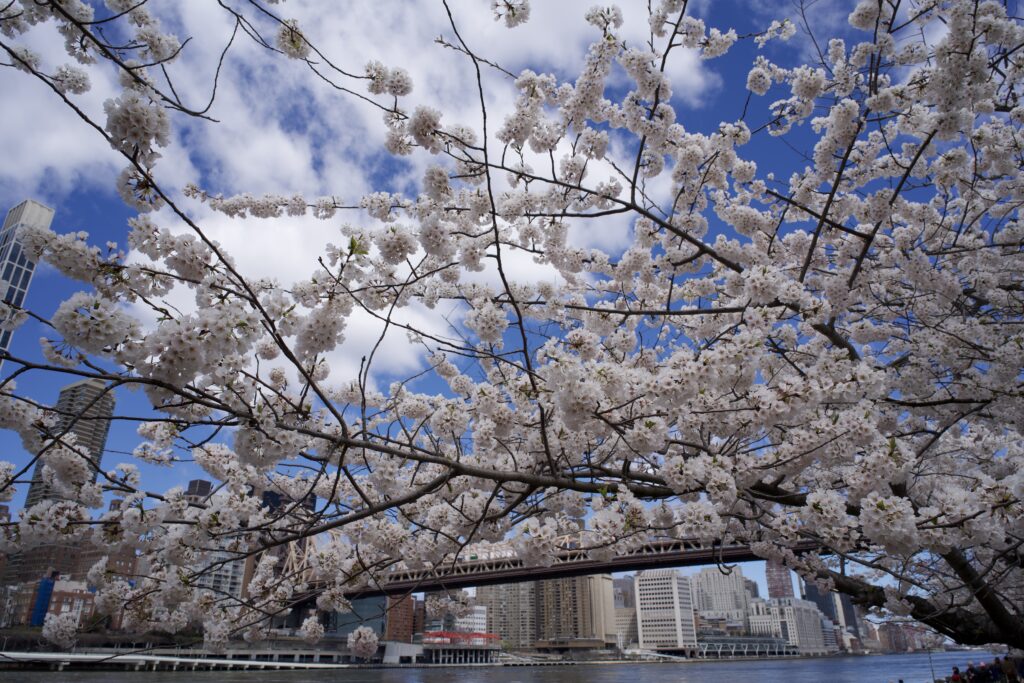
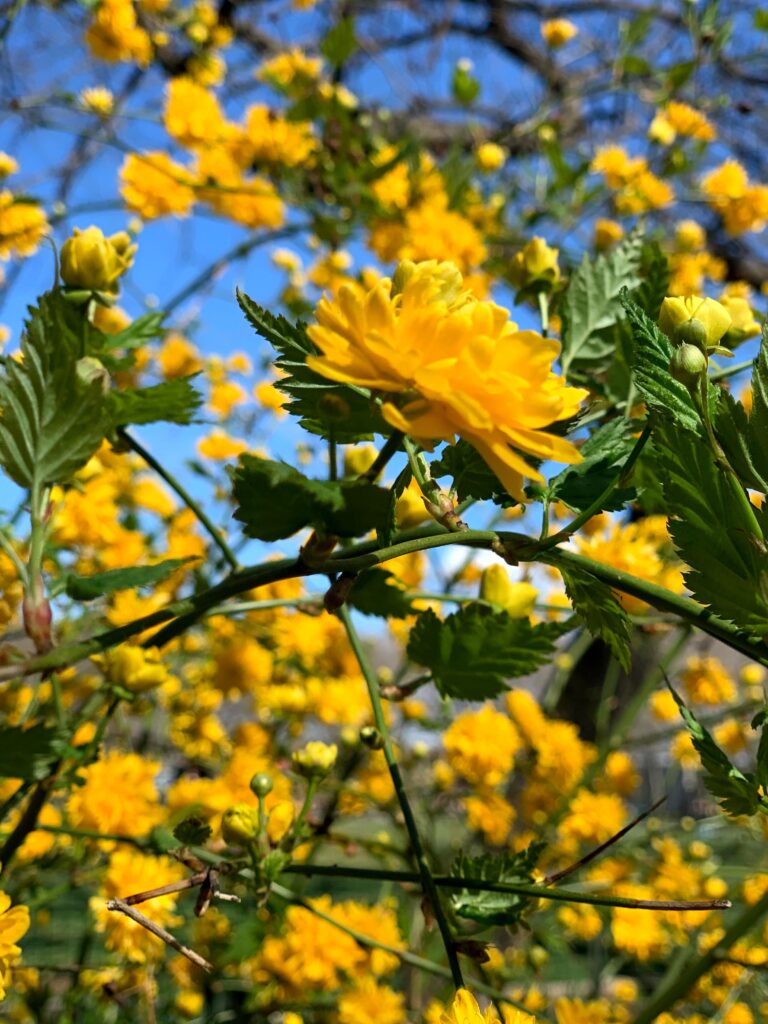
Each month brings a completely different wave of blooms:
• Crocuses signal the end of winter
• Magnolias turn streets into pastel clouds
• Cherry blossoms create pink petal storms
• Tulips paint parks in bright colors
• Lilacs and wisteria perfume the air
• Summer fields burst with lavender and sunflowers
For dog parents, photographers, and nature lovers alike, bloom chasing is more than a hobby—it’s a seasonal adventure across all five boroughs. 🌸🐾
Looking for more pet-friendly spring adventures? Check out a few of our favorite Spring blogs for inspiration and hidden gems!
🌸 Plan Your Spring Adventures in NYC With Your Dog
- Discover seasonal blooms in NYC Bloom Calendar: Pet-Friendly Flower Adventures Every Month (Secret Spots Included!)
- Find the best blossom walks in A Local’s Guide to NYC Cherry Blossoms: Pet-Friendly Walks & Hidden Spots in Every Borough
- Explore top dog parks in The Best Parks in New York City for Dogs (Off-Leash Info & Scenic Trails)
- Visit NYC’s unique skyline dog park in NYC’s ONLY Rooftop Park for Dogs – Pier 57 Guide
- Take a creative city stroll with Explore NYC Like a Local: A Secret Pet-Friendly Mural Walk
📸 Exact Peak Bloom Photo Locations in NYC (Photographer’s Quick Chart)
| Flower Type | Exact Photo Location | Borough | Peak Bloom Timing | Why Photographers Love It |
|---|---|---|---|---|
| Cherry Blossoms | Cherry Hill | Manhattan | Mid–April | Curving blossom tunnel near Bow Bridge creates one of the most iconic spring photos in NYC. |
| Cherry Blossoms | Pilgrim Hill | Manhattan | Mid–April | Dozens of cherry trees clustered together create a giant pink canopy across the hill. |
| Cherry Blossoms | Roosevelt Island | Manhattan / Queens | Mid–April | Long cherry blossom promenade with skyline views and far fewer crowds. |
| Tulips | Washington Square Park | Manhattan | Late April | Colorful tulip beds surrounding the iconic Washington Square Arch. |
| Tulips | Madison Square Park | Manhattan | Late April – Early May | Thousands of tulips planted annually around the historic Flatiron District park. |
| Tulips & Garden Flowers | West Side Community Garden | Manhattan | April – May | Secret European-style community garden filled with tulips, roses, and climbing vines. |
| Magnolias | Conservatory Garden | Manhattan | Late March – Early April | Elegant formal garden with large magnolia trees and fountain backdrops. |
| Magnolias | Brooklyn Botanic Garden | Brooklyn | Late March | Magnolia Plaza produces one of NYC’s earliest dramatic bloom displays. |
| Cherry Blossoms | Hunter’s Point South Park | Queens | Mid–April | Cherry blossoms with stunning Manhattan skyline views across the East River. |
🌸 Pro Bloom Photography Tips (Quick Guide)
| Tip | Why It Works |
|---|---|
| Visit at sunrise | Soft golden light makes blossoms glow and avoids crowds. |
| Go during the first 3–5 days of peak bloom | Petals are freshest and fullest before wind or rain knocks them down. |
| Visit after light rain | Wet petals create dreamy reflections on pathways. |
| Look for fallen petals | Blossom carpets often make even more magical photos than the trees themselves. |
🌸 NYC Bloom Forecast: Week-by-Week Flower Timeline (March → June)
Ever wondered exactly when NYC flowers bloom week by week?
Spring in New York unfolds like a slow-motion flower show. Each week brings a new wave of blossoms across the city’s parks, gardens, and waterfront promenades. Use this week-by-week bloom forecast to plan the perfect flower adventure with your pup and catch each bloom at its peak.
🌷 NYC Spring Bloom Timeline (Quick Planning Chart)
| Week | Flowers Likely Blooming | Best NYC Locations | What You’ll See |
|---|---|---|---|
| Early March (Weeks 1–2) | Crocus, early snowdrops | Central Park, Prospect Park | Tiny purple, yellow, and white crocuses popping through the last traces of winter. |
| Mid-March (Weeks 3–4) | Crocus, daffodils | Riverside Park, Central Park | Sunny yellow daffodil clusters start filling park lawns and pathways. |
| Late March (Weeks 5–6) | Magnolias, early cherry blossoms | Conservatory Garden, Brooklyn Botanic Garden | Massive pink and white magnolia blossoms create dramatic spring scenes. |
| Early April (Weeks 7–8) | Magnolia peak bloom | Prospect Park, Central Park | Magnolia trees burst into full bloom before their leaves appear. |
| Mid-April (Weeks 9–10) | Cherry blossoms begin | Cherry Hill, Roosevelt Island | Delicate pink blossoms start appearing across the city. |
| Late April (Weeks 11–12) | Cherry blossom peak + tulips | Pilgrim Hill, Washington Square Park | Cherry blossom petals drifting through the air while tulips brighten park gardens. |
| Early May (Weeks 13–14) | Tulips, flowering trees | Madison Square Park, West Side Community Garden | Vibrant tulip beds create colorful spring scenes across NYC parks. |
| Mid-May (Weeks 15–16) | Lilacs, wisteria | Riverside Park, Prospect Park | Fragrant purple lilacs and cascading wisteria vines perfume the air. |
| Late May – Early June (Weeks 17–18) | Roses, late spring blooms | Fort Tryon Park Rose Garden, Wave Hill | Hundreds of rose varieties bloom in one of NYC’s most romantic gardens. |
🌸 Fun NYC Flower Facts Most Visitors Don’t Know
- Central Park has over 20,000 trees, many of which are flowering varieties.
- The cherry blossom trees across NYC were originally gifted from Japan in the early 1900s as a symbol of friendship.
- Some magnolia trees blooming today are over 100 years old.
- Brooklyn Botanic Garden holds one of the largest cherry blossom collections outside Japan, with over 200 trees.
- NYC parks plant thousands of tulip bulbs every fall so they bloom the following spring.
🌷 How to Catch NYC Flowers at Peak Bloom
Bloom timing shifts slightly each year depending on weather. Here’s how us locals track it:
1️⃣ Warm winters = earlier blooms
Flowers can bloom 1–2 weeks early.
2️⃣ Cold springs delay blossoms
Late frosts can push blooms into May.
3️⃣ Watch for “peak bloom” alerts
Cherry blossoms often peak for only 4–7 days.
🐾 Why Bloom Chasing Is the Perfect Dog Adventure
Exploring NYC’s bloom season with your dog turns ordinary walks into seasonal treasure hunts.
One week you’re spotting crocuses.
The next week you’re walking under magnolia trees.
Then suddenly the entire city explodes with cherry blossoms.
It’s one of the most magical ways to experience spring in New York City.
🌸 NYC Flower Bloom FAQ
When do flowers start blooming in New York City?
Flowers begin blooming in early March when crocuses appear across parks like Central Park and Prospect Park. From there, NYC’s bloom season unfolds in waves — magnolias in late March and April, cherry blossoms in mid-April, tulips in late April and May, fragrant lilacs and wisteria in May and June, and sunflower and lavender fields by mid-summer. Overall, NYC’s bloom calendar lasts nearly six months, making it one of the longest urban flower seasons in the U.S.
When is cherry blossom season in NYC?
Cherry blossoms in New York City typically bloom from mid-April to early May, depending on weather conditions. Peak bloom lasts about 5–7 days, when the trees are completely covered in pink or white blossoms. Some of the best places to see cherry blossoms include Cherry Hill, Pilgrim Hill, Roosevelt Island, and Hunter’s Point South Park.
Where can you see the best flowers in New York City?
Some of the most beautiful flower displays in NYC can be found in major parks and hidden gardens throughout the city. Top bloom locations include:
- Central Park
- Prospect Park
- Riverside Park
- Washington Square Park
- Madison Square Park
These parks host seasonal blooms including magnolias, cherry blossoms, tulips, lilacs, and wisteria throughout the spring and early summer months.
What flowers bloom in NYC in March?
March marks the start of spring bloom season in New York City. The most common flowers blooming during this time are crocuses, which are small purple, yellow, and white flowers that often appear while winter is still fading. These early spring flowers can be spotted across lawns and gardens in Central Park and Prospect Park.
Where can you see tulips in NYC?
Tulips bloom across NYC from mid-April through May, bringing vibrant colors to many city parks and gardens. Some of the best tulip displays can be found in Washington Square Park, Madison Square Park, Prospect Park, and the charming West Side Community Garden on Manhattan’s Upper West Side.
Are NYC parks dog-friendly during flower season?
Yes, many NYC parks are dog-friendly and allow dogs on leash during most hours of the day. Popular bloom-viewing locations like Central Park, Prospect Park, and Riverside Park welcome dogs, although visitors should always follow park rules and avoid walking through flower beds to protect delicate blooms.
Where can you see lavender and sunflower fields near NYC?
While most spring flowers bloom within the city, lavender and sunflower fields are best seen on Long Island during summer. Two popular flower farms include Lavender by the Bay and Waterdrinker Farm, where visitors can walk through vibrant flower fields from July through August.
What is the best month for flowers in New York City?
April is widely considered the best flower month in NYC, because multiple blooms overlap at once. During this time visitors can see magnolias, cherry blossoms, and early tulips all blooming together across parks like Central Park and Prospect Park.
🌸 Final Thoughts: Your Ultimate NYC Bloom Adventure Guide
New York City is one of the most dog-friendly and flower-filled cities in the U.S., offering blooms from March through August. Whether you’re chasing cherry blossoms in Central Park, tulips in Madison Square Park, or lavender fields on Long Island, every season brings new colors, scents, and hidden garden discoveries.
For dog owners, photographers, and flower lovers, these secret spots — like Sakura Park, West Side Community Garden, and Hunter’s Point South Park — are perfect for peaceful walks, Instagram-worthy photos, and slow spring adventures.
Use our week-by-week bloom forecast, month-by-month flower calendar, and peak bloom photo locations to plan your visit and catch each bloom at its absolute peak. From magnolias to sunflowers, NYC transforms into a living, breathing flower paradise — and check out the NYC parks bloom and tree guide for more info at Central Park Plants. Now you know exactly where and when to go.
Planning your NYC bloom adventure soon?
If you loved our NYC Bloom Calendar post, you’ll want to continue your floral adventures with our Local’s Guide to NYC Cherry Blossoms: Pet-Friendly Walks & Hidden Spots in Every Borough. While the cherry blossom guide uncovers the best springtime trails, hidden gardens, and dog-friendly parks across Manhattan, Brooklyn, Queens, the Bronx, and Staten Island, the Bloom Calendar takes you year-round, revealing NYC’s top secret flower spots, seasonal blooms, and dog-approved walking routes for every month. From tulips and magnolias in spring, to vibrant summer hydrangeas and late-summer roses, and autumn foliage along quiet waterfront paths, this guide ensures your pup never misses a single pet-friendly floral experience.
⚠️ Dog Safety Disclaimer
Chance is a highly trained service dog and remains under close supervision at all times. While he enjoys sniffing his surroundings, he is trained not to pick up or ingest anything from the ground and has never had issues in environments like flower gardens over the years.
That said, every dog is different. If your dog tends to pick up, chew, or eat items from the ground, it’s best to avoid flower gardens and similar spaces altogether. Many popular spring blooms can be toxic to dogs, and even brief exposure can pose a risk. Always know your dog’s behavior, keep them within sight, and prioritize their safety in unfamiliar environments. 🐾
If you’re planning spring outings with your pup, it’s important to know which flowers and plants could be harmful before you go. We put together a simple guide breaking down what’s safe, what’s not, and what every pet parent should watch out for this season.
Read more here: https://nycdogadventures.com/spring-flowers-toxic-to-dogs-what-every-pet-parent-needs-to-know/
Whether you’re a local dog parent exploring off-the-beaten-path blooms, a visitor looking for Instagram-worthy walks with your furry companion, or someone planning seasonal adventures across NYC, the Bloom Calendar complements the cherry blossom guide perfectly—helping you discover secret gardens, scenic trails, and the city’s most picturesque blooms in every borough, all while enjoying safe, dog-friendly access to NYC’s hidden natural gems.
You’ll also love this:
- FREE Shakespeare in the Park With Your Dog Is Back This Week—And It Might Be NYC’s Most Magical Summer Night Out

- Bushwick Collective Block Party 2026: Dog-Friendly NYC Street Art Festival Guide

- Hidden Waterfalls in Central Park: The Most Magical NYC Escape You’ve Probably Walked Past

- Flowers and Plants Toxic to Dogs: What Every Pet Parent Needs to Know [With Photos]

- NYC’s Only Dog Beach Is Hidden Inside Brooklyn’s Most Famous Park — And It’s the Ultimate Summer Spot for All Dogs!

- Chipin Dog Guide: The Perfect Small Dog for NYC Apartment Living & Travel

- The Best Parks in New York City for Dogs (Off-Leash info & Scenic Trails)
- 5 Days in New Orleans with a Dog—Here’s What We’d Do Again (and Skip)