

![Flowers and Plants Toxic to Dogs: What Every Pet Parent Needs to Know [With Photos]](https://nycdogadventures.com/wp-content/uploads/2026/03/FullSizeRender-2-1-150x150.jpeg)






Think you’re ready to travel to Europe with your dog? Think again. This Travel Guide – How to Travel to Europe with a Pet without the stress – shows you exactly how to fly to Europe with your dog stress-free. Covering UPDATED EU policies and required documents, timelines, travel strategies, and a complete packing checklist so you can explore Europe with your dog the right way!
(updated with new EU policies as of April 22, 2026)

Traveling to Europe with a dog isn’t as simple as booking a flight—it requires strict timelines, official health certificates, and country-specific rules that many pet parents overlook. This ultimate guide breaks down exactly how to travel to Europe with your pet without the stress, including EU pet travel regulations, required documents, slow travel tips, and a complete pet-friendly packing checklist. Learn how to avoid common mistakes like denied boarding or quarantine and plan a seamless, dog-friendly European adventure.
🐾 The Rise of “Slow Travel With Pets”
Slow travel with a pet means traveling at your pet’s pace instead of rushing through tourist spots. Unlike traditional travel, which often focuses on packing in as many attractions as possible, slow travel prioritizes your pet’s comfort, routine, and enjoyment. It’s about creating a trip where your pets feels safe, calm, and happy while you explore together.
Here’s what it usually looks like:
- Extended stays in one place – Spending days or weeks in a neighborhood so your dog can adjust, explore, and feel at home.
- Consistent routines – Feeding, walking, and nap schedules stay familiar, reducing anxiety in new environments.
- Dog-led adventures – Walks, parks, dog-friendly cafés, and quiet streets instead of crowded tourist spots.
- Minimized transport stress – Less frantic travel; more walking, trains, or short drives instead of constant flights.
- Living like a local – Finding favorite local spots, meeting neighbors, and really getting to know the area.
In short, slow travel is less about seeing everything and more about making the journey enjoyable, safe, and memorable for your dog — and honestly, it’s way more relaxing for humans too. In 2026, more travelers are choosing fewer destinations and longer stays. We’ve made the switch since traveling with Chance.
Benefits include:
- Less stress for pets
- Better routines
- Deeper local experiences
- Reduced logistics
- More enjoyable pace
Traveling with your dog isn’t just a trend anymore — it’s a lifestyle. In 2026, more hotels, airlines, and destinations than ever claim to be pet-friendly, yet planning a smooth trip with your pets still requires preparation, training, and insider knowledge.
If you’re new to traveling with a dog internationally, a little preparation goes a long way. Before planning your Zurich adventure, check out our Best US Airlines that allow dogs in cabin (2026), where we explain airline policies, cabin vs. cargo options, and how to prepare your dog for a long-haul flight.



At NYC Dog Adventures, slow travel with pets is our ethos. We believe the best trips happen at your pet’s pace — not on a rushed checklist. Whether you’re planning a weekend getaway, a northeast road trip, or an international adventure, this ultimate pet travel guide will help you avoid common mistakes and create a safe, joyful experience for both you and your pets.
Wander slowly, sniff everything, remember forever. City streets become home when explored slowly with a dog.
Flying With Your Dog: What to Know in 2026


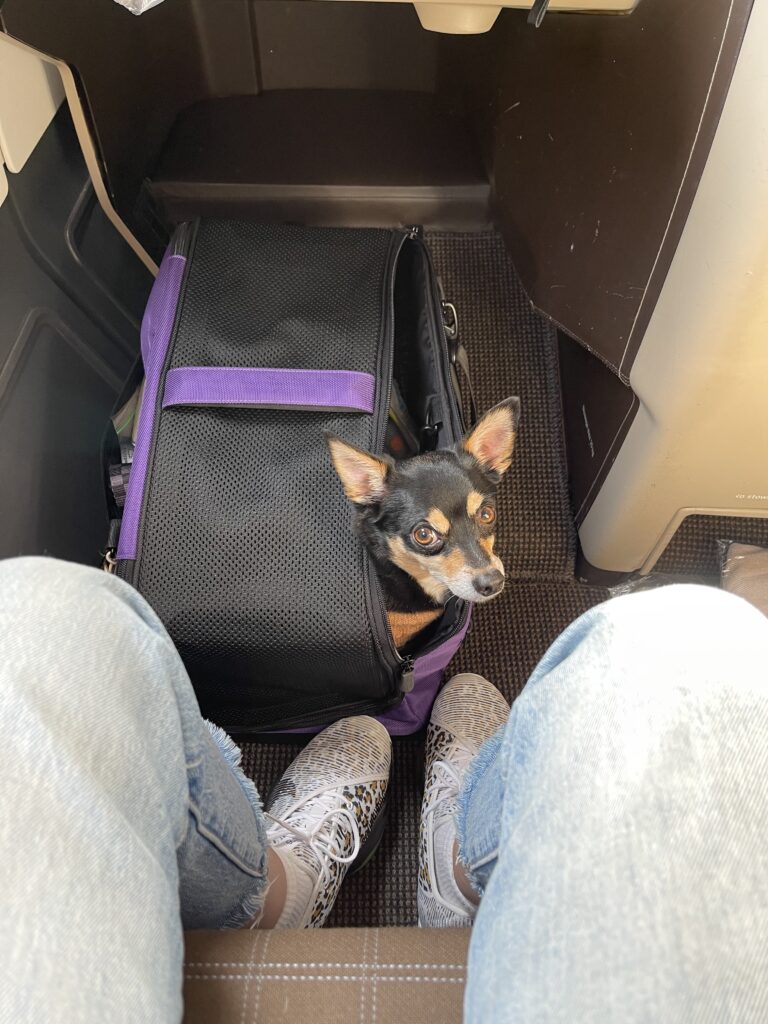
In 2026, flying with your dog requires stricter health documentation and adherence to updated federal mandates. Key changes include mandatory microchipping for all dogs entering the U.S. and a minimum age requirement of 6 months for international arrivals.
Essential Documentation for 2026
Regulations now prioritize digital pre-clearance and specific chronological order for vaccinations.
- CDC Dog Import Form: Starting in late 2024 and continuing through 2026, all dogs entering the U.S. (including those returning from abroad) must have a CDC Dog Import Form online submission receipt.
- Microchip Sequencing: To be legally valid, an ISO-compliant microchip must be implanted before the final rabies vaccination. Failure to follow this order can lead to a 28-day quarantine.
- Health Certificates: Most airlines require a veterinary health certificate issued within 10 days of travel.
- High-Risk Countries: If arriving from a high-risk rabies country, you must provide a “Certification of U.S.-Issued Rabies Vaccination” form (completed before leaving the U.S.) or a foreign-government-endorsed certificate. Centers for Disease Control and Prevention
Airline Policies & Fees
Most major U.S. carriers allow small dogs in the cabin for a fee, while larger dogs are generally restricted to cargo or shared private plane routes.
| Airline | In-Cabin Fee (One-Way) | Max Carrier Size (Soft-Sided) | Key 2026 Restriction |
|---|---|---|---|
| Delta | $95 | 18″ x 11″ x 11″ | Limited to 4 pets per main cabin. |
| Swiss Air | $126 | (55 x 40 x 23 cm) | Pet + carrier: 8 kg (17.6 lbs). Certified service animals (including emotional support on US flights) are permitted in the cabin at no extra cost |
| United | $150 | 18″ x 11″ x 11″ | Window seat often required for carrier fit. |
| American | $150 | 18″ x 11″ x 11″ | No pets in cargo if temp exceeds 85°F. |
| Alaska | $100 | 17″ x 11″ x 9.5″ | No brachycephalic (snub-nosed) breeds in cargo. |
Things to know:
- In-Cabin Fit: Your dog must be able to stand, turn around, and lie down comfortably inside the carrier, which must remain under the seat for the duration of the flight.
- Security (TSA): You must remove your dog from the carrier at security. You will walk through the metal detector with your dog on a leash while the carrier is X-rayed.
- Cargo & Temperature: Airlines frequently suspend cargo travel during extreme heat (above 85°F) or cold (below 45°F) to protect animal welfare.
- Service Animals: Emotional Support Animals (ESAs) are no longer recognized as service animals and must fly under standard pet policies and fees.
Book Early: Most flights limit the total number of pets (often 4–6 total), so reserve your dog’s spot as soon as you book your own ticket. Crate Train: Introduce the travel carrier weeks in advance with positive reinforcement to reduce flight-day anxiety.
🌎 EU Pet Travel Rules 2026: What U.S. Dog Owners Need to Know Before Traveling to Europe



International pet travel involves strict regulations that vary by country.
EU pet travel rules changed again on April 22, 2026, if you’re coming from the United States, the process is no longer as simple as it used to be.
This section breaks down exactly what’s changed, what you need now, and how to avoid getting stopped at the border with your dog—with official resources linked so you can double-check everything before you go.
Are EU Pet Passports Still Valid for U.S. Travelers?
If you live outside the EU (including the U.S., UK, or Canada), your pet’s EU passport is no longer valid for entry into Europe—even if it’s fully up to date.
That means:
- No reusing old EU passports
- No “lifetime validity” unless you officially live in the EU
- No more shortcuts
👉 For the official EU guidance, check:
What You Need Instead: Animal Health Certificate (AHC)
Every time you travel to the EU with your dog, you now need a:
✔️ Animal Health Certificate (AHC)
- Issued by a USDA-accredited vet
- Endorsed by USDA before travel
- Valid for a single entry only
- Must be completed within a strict timeframe (usually 10 days before arrival)
Entry Requirements for Dogs Traveling to Europe
To enter the EU with your dog, you’ll need:
- A microchip (before rabies vaccine)
- A valid rabies vaccination
- A USDA-endorsed Animal Health Certificate
- Entry through an approved EU traveler entry point
Even small mistakes can result in:
- Denied entry
- Quarantine
- Or return to origin
Border Checks Are Getting Stricter
Here’s what’s catching travelers off guard:
EU officials are now verifying:
- Your dog’s microchip + vaccination timeline
- Your paperwork validity
- Your residency status
If you present an EU passport, you may be asked to prove you actually live in the EU.
Digital Pet Passports & TRACES System
The EU is moving toward digital pet health records integrated into their TRACES system.
What this means:
- Less flexibility with paperwork
- More real-time verification
- Tighter enforcement at borders
How Many Pets Can You Travel With?
Under non-commercial travel rules:
👉 Maximum: 5 pets per person
If you exceed that:
- Your trip is classified as commercial transport
- You’ll need different documentation and entry procedures
Exception:
- Registered competitions or events (with written proof)
Pro Tips for Traveling to Europe With Your Dog
- Start paperwork 3–4 weeks before departure
- Confirm your vet is USDA-accredited
- Double-check your entry airport allows pet entry
- Carry both printed + digital copies of documents
- Don’t rely on outdated advice—rules are actively being enforced
The Bottom Line
If you’re traveling from the U.S. to Europe with your dog in 2026:
- EU pet passports no longer apply to you
- You’ll need a new Animal Health Certificate for every trip
- Border checks are stricter than ever
- And preparation is the difference between smooth travel and major issues
Resources
Here are the official resources and links regarding the 2026 EU pet travel updates:
- Official European Commission Portal on Pet Movement
- “Your Europe” – Travel Rules for Pets and Other Animals
- Commission Delegated Regulation (EU) 2026/20 – Full Legislative Text in pdf
- USDA APHIS – Pet Travel from the USA to the EU
- GOV.UK – Taking Your Pet Abroad from the UK
- APHA Briefing Note 14/26
- Changes to EU Pet Passport 2026
For International travel, check with your airline, as many require a health certificate issued within 10 days of the flight.
Regional Entry Rules: Entry requirements vary significantly by the destination’s rabies risk level:
| Destination / Category | Key Requirements |
|---|---|
| European Union (EU) | Requires an Animal Health Certificate (AHC) issued within 10 days of arrival. Rabies vaccination must be at least 21 days old if it’s the primary shot. |
| UK, Ireland, Norway, Finland | Same as EU, plus mandatory tapeworm treatment (Echinococcus) administered by a vet 1–5 days (24–120 hours) before arrival. |
| Australia, New Zealand, Japan | Highly regulated; requires a rabies titer (FAVN) blood test, import permits, and often a 10–30 day mandatory quarantine. |
| High-Risk Rabies Countries | Requires a Certification of U.S.-Issued Rabies Vaccination (if vaccinated in the U.S.) completed before leaving the U.S.. Foreign-vaccinated dogs from these areas may need a reservation at a CDC-registered animal care facility. |
Timeline for Preparation: International travel is not “last-minute friendly” and typically follows this schedule:
- 6+ Months Out: Begin planning for “no-rabies” destinations like Australia or Japan to allow for titer testing and quarantine bookings.
- 3 Months Out: Verify microchip and rabies vaccination status; ensure the chip was scanned before the shot.
- 30 Days Out: Apply for the CDC Dog Import Form for your return journey.
- 10 Days Out: Visit a USDA-accredited vet for the final health exam and certificate.
- Day of Travel: Carry physical copies of all endorsed documents, as customs officers frequently insist on paper vs. digital versions.
Airline Logistics
- In-Cabin Weight: Most international carriers limit in-cabin pets to a combined weight (pet + carrier) of 8kg to 10kg (approx. 17.6–22 lbs).
- Check-in: Mobile boarding passes are usually unavailable for pet travelers; you must check in at the counter to verify paperwork and weigh the carrier.
- Fees: Expect one-way international pet fees ranging from $125 to $200+ per pet.
Step 1: Check Rabies Risk Status
The CDC maintains a specific list of countries that are considered high-risk. If a country is not on this list, it is generally considered low-risk or rabies-free.
- High-Risk Regions: Includes many countries in Africa (e.g., Kenya, Nigeria, South Africa), Asia (e.g., China, India, Thailand, Vietnam), Central/South America (e.g., Brazil, Colombia, Guatemala), and parts of the Middle East (e.g., Turkey, UAE).
- Official List: You can verify the status of any specific nation on the CDC High-Risk Countries for Dog Rabies page. Centers for Disease Control and Prevention | CDC (.gov)
Step 2: Destination-Specific Export Rules
The USDA-APHIS regulates the requirements for leaving the U.S. based on the destination’s unique health laws.
- EU & UK: Typically require a specific health certificate, microchip, and rabies vaccination at least 21 days prior.
- “Rabies-Free” Islands: Destinations like Japan, Australia, and Hawaii often require a Rabies Titer (FAVN) test months in advance to avoid long quarantines.
- Look Up by Country: Use the USDA APHIS Pet Travel Tool to select your destination and see the exact certificates and vaccinations needed.
Step 3: Critical Return Requirement
If your dog has been in a high-risk country within the last 6 months, you must obtain a specific Certification of U.S.-Issued Rabies Vaccination from a USDA-accredited veterinarian before you leave the U.S.. This form cannot be issued after you have already departed. Animal and Plant Health Inspection Service
Which country are you traveling to? Knowing the destination allows for a specific timeline of required blood tests or treatments.
✔ Arrival Considerations
- Customs inspections may occur
- Some countries require quarantine
- Pet fees or taxes may apply
- Documentation must match exactly
👉 Always carry paper copies — phones can die or lose signal.
CDC Dog Import Form and Instructions
A CDC Dog Import Form is required for each dog you are bringing into the U.S.
For dogs that have been ONLY in dog rabies-free or low-risk countries in the 6 months before U.S. entry, this is the only form that is needed. U.S.-vaccinated dogs and foreign-vaccinated dogs that have been in a high-risk country 6 months before U.S entry have additional requirements. This form should be completed by the person importing (bringing) the dog into the United States (the importer, owner, or shipper). If the person importing the dog has difficulty completing this form such as due to a disability, this form may be filled out by someone else acting on behalf of the importer. The required fields are marked on the form with a red asterisk. After you submit this form, a receipt will be sent to the email address you provided. Please check that the email address is correct before submitting the form.
If the dog is traveling by air, you must show the receipt to the airline before boarding.
You must also keep the receipt and be able to show the receipt to U.S. Customs and Border Protection when the dog arrives in the United States.
Resources
Here are the official resources and links regarding the 2026 EU pet travel updates:
- APHA Briefing Note 14/26
- Official European Commission Portal on Pet Movement
- “Your Europe” – Travel Rules for Pets and Other Animals
- Commission Delegated Regulation (EU) 2026/20 – Full Legislative Text in pdf
- USDA APHIS – Pet Travel from the USA to the EU
- GOV.UK – Taking Your Pet Abroad from the UK
🚙 Road Trips With Dogs: The Easiest Way to Travel



For many pet parents, road trips are the easiest and most flexible option. Especially for larger dogs and pets.
Essential Safety Tips
- Use a crash-tested harness or crate
- Bring water and food from home
- Stop every 2–3 hours for breaks
- Never leave dogs in parked cars
- Pack familiar bedding and toys
Consistency reduces anxiety in unfamiliar places.
FAQ Section
Is it safe to fly with a dog?
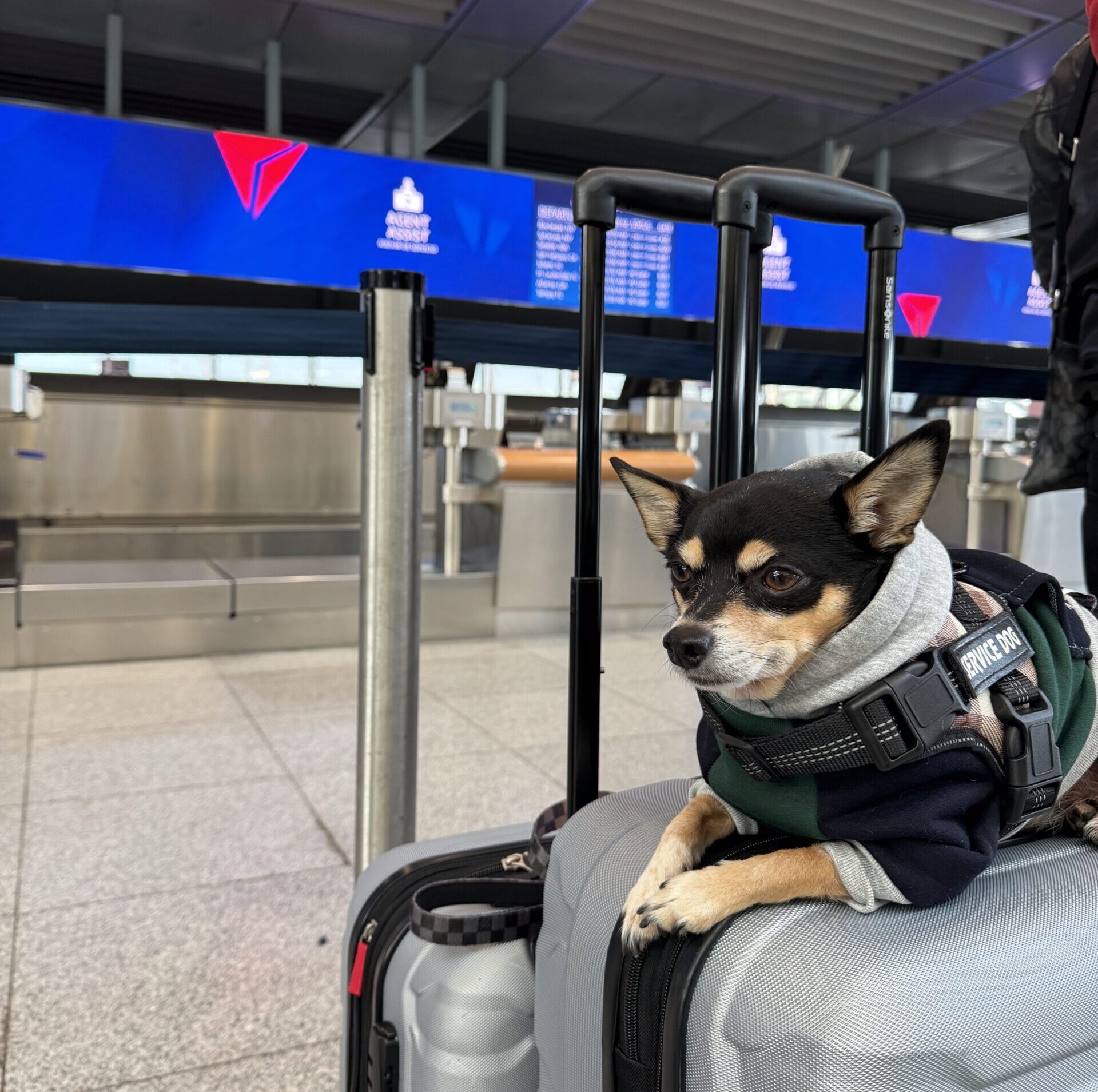
Yes — if your dog is healthy, properly trained, and airline rules are followed. Most pets must travel in an approved carrier, but trained service animals may fly outside of a carrier in the cabin. My dog Chance is a multi-tasked service animal who flies at my feet, not in a carrier — something only possible because of extensive, specialized training. It took about three years of consistent training for him to reach that level of reliability, and he has been working as a service animal for many years now.
What documents are needed for international pet travel?
Requirements vary by country, but typically include rabies vaccination proof, an ISO-compatible microchip, an official veterinary health certificate, and any required import permits. Some destinations also require parasite treatments or additional paperwork, so always verify rules well in advance.
Are dogs allowed on public transportation in most cities?
Policies vary widely. In New York City, the Metropolitan Transportation Authority allows dogs on subways if they are contained in a carrier, while trained service animals are permitted without one. Many major cities allow dogs on public transit under similar conditions, though breed restrictions, size limits, or time-of-day rules may apply. Always check local regulations for the most up-to-date policies.
What are the rules for traveling with a service animal?
In the United States, trained service animals are protected under the Americans with Disabilities Act and are generally allowed to accompany their handler in airports, airplanes, hotels, public transportation, and most public spaces. Airlines follow additional regulations from the U.S. Department of Transportation, which may require submitting service animal forms before travel. Service animals must be trained to behave in public, remain under control at all times, and fit safely within the handler’s foot space on an aircraft. Emotional support animals are no longer classified as service animals for air travel by most airlines. Rules vary internationally, so always research destination-specific requirements in advance.
By age four, Chance already earned three prestigious titles from the American Kennel Club (AKC): Canine Good Citizen (CGC), Community Canine (CGCA) Advanced CGC, and Urban Canine Good Citizen (CGCU) — certifications that reflect exceptional obedience, stability, and real-world manners. He later began scent work training, where he quickly demonstrated an extraordinary ability to detect subtle changes in his human’s health. Today, he serves as Linh’s multi-tasked, medical alert service animal — a role built on years of rigorous training, trust, and an extraordinary unique bond.
What is the best way to travel with a dog?
The best approach is thoughtful, dog-centered planning. Maintain familiar routines, choose genuinely dog-friendly accommodations, use safe transport gear, and bring items that smell like home to reduce stress. Slowing down and traveling at your dog’s pace often leads to the safest, calmest, and most enjoyable experience for both of you. 🐾
🧳 Ultimate Dog Travel Packing Checklist
Essentials
- Identification tags + microchip info
- Health Certificate / Pet Passport
- Food and treats
- Medications
- Portable bowls
- Leash + harness
- Waste bags
- Favorite toy and blanket
- Cleaning wipes
- Clothing (rain/coats)
Safety & Comfort
- Travel bed
- Cooling gear (if needed)
- First-aid kit
🧠 How to Reduce Travel Anxiety for Pets
Preparation makes all the difference. Before your trip, practice:
- Carrier training at home
- Busy street exposure
- Elevator rides
- Exposure to public transit noise
- Sleeping in new environments
Practice training and being well prepared before flights and long drives can help pets settle greatly.
🩺 Emergency Planning (Often Overlooked)
Before arriving at any destination:
- Locate the nearest emergency vet
- Save contact info offline
- Bring medications with extra supply
- Know symptoms of heatstroke or dehydration
This preparation can be lifesaving.
❤️ Final Thoughts
Dog-friendly travel isn’t just about bringing your dog along—it’s about designing a journey that works for both of you. Whether you’re flying across the country, road-tripping through scenic landscapes, or navigating the complexities of international pet travel, thoughtful preparation makes all the difference.
Traveling with Chance, a highly trained multi-task service dog, has taught me just how transformative that partnership can be. His calm presence, reliability, and intuition make adventures possible in ways I never imagined—but it also comes with responsibility. Careful planning, respecting routines, and advocating for his needs as much as my own ensures every trip runs smoothly.
By choosing truly pet-friendly destinations, maintaining familiar routines, and embracing slow travel with dogs, every adventure becomes calmer, safer, and far more meaningful. You stop rushing and start noticing—the quiet lakeside walks, the shared discovery of a hidden park, and the unspoken trust that grows with every new place explored together.
The most memorable journeys aren’t measured by how many landmarks you visit or how many miles you log—they’re measured by how fully you experience them side by side. Dogs don’t care about bucket lists, famous sights, or expensive experiences. They only care that they are with you, sharing every moment, big or small.
Even with careful preparation, traveling with a dog can feel overwhelming—unless you know exactly what to expect in your destination. Our guides offer practical, first-hand advice on dog-friendly hotels, off-leash areas, and seasonal activities, making them perfect companions to this ultimate pet travel guide. Whether it’s navigating public transport, scheduling walks around local markets, or finding pet-friendly dining options, these city-specific tips help you travel smarter and stress-free.
✈️ Flying With Your Dog: Everything You Need to Know
Traveling with your furry companion doesn’t have to be stressful! These guides cover everything from airline rules to international adventures, helping you plan smooth, dog-friendly trips.
Best Airlines for Dogs in the Cabin
Before you book, check out: Best U.S. Airlines That Allow Dogs in Cabin (2026): Pet Policies, Fees & Rules Explained, where we break down cabin policies, fees, and rules for all major U.S. airlines so your pup can fly safely and comfortably.
Want More Dog-Friendly Travel Guides?
If you’re planning your next trip, explore more here:
Because traveling with your dog should feel exciting—not stressful 🐾✈️
Most recent posts:
- FREE Shakespeare in the Park With Your Dog Is Back This Week—And It Might Be NYC’s Most Magical Summer Night Out

- Bushwick Collective Block Party 2026: Dog-Friendly NYC Street Art Festival Guide

- Hidden Waterfalls in Central Park: The Most Magical NYC Escape You’ve Probably Walked Past

- Flowers and Plants Toxic to Dogs: What Every Pet Parent Needs to Know [With Photos]

- NYC’s Only Dog Beach Is Hidden Inside Brooklyn’s Most Famous Park — And It’s the Ultimate Summer Spot for All Dogs!

- Chipin Dog Guide: The Perfect Small Dog for NYC Apartment Living & Travel

🔖 SAVE this for later
📍 SHARE this NYC hidden gem with a dog parent who needs this
🐾 FOLLOW our socials for weekly dog-friendly NYC adventures