
![Flowers and Plants Toxic to Dogs: What Every Pet Parent Needs to Know [With Photos]](https://nycdogadventures.com/wp-content/uploads/2026/03/FullSizeRender-2-1-150x150.jpeg)







A must-read guide for pet parents: 25 flowers (17 more flowers with photos) toxic to dogs, recap of 2026 tulip UK incident, symptoms, prevention tips, pet-safe alternatives, ASCPA Poison control hotline, and full ASPCA list of toxic plants to dogs.
Eariler this spring, a heartbreaking story out of the UK is changing how dog parents view flower fields forever.
In April 2026, a healthy 3-year-old dog named Bobby died just hours after visiting a tulip festival. According to reports, he developed seizures and severe symptoms shortly after exposure. Veterinarians confirmed that tulips—especially the bulbs—is highly toxic to dogs. Following the incident, the festival made the decision to ban dogs entirely as a safety precaution. Even more alarming? The dog’s owner had no idea tulips were dangerous—and that’s exactly why this conversation matters.
👉 If you’re a dog parent who loves spring blooms, tulip fields, or flower festivals… this guide could literally save your dog’s life.
🌼 Why Spring Is the Most Dangerous Season for Dogs
While Spring feels magical—especially after a rough winter but did you know for dogs, it could be one of the riskiest times of year?
Here’s why:
- 🌱 Many popular spring plants are toxic
- 🌷 Dogs are naturally curious (sniffing, licking, digging bulbs)
- 🌸 Outdoor events (flower shows, gardens, festivals) increase exposure
- 🐾 Bulbs buried in soil are especially dangerous if dug up
According to the ASPCA, many common plants—including tulips, lilies, azaleas, and daffodils—are toxic to dogs and can cause symptoms ranging from mild stomach upset to life-threatening complications.
Toxic and Non-Toxic Plants List
ASPCA Poison Control Phone Number: (888) 426-4435
25 Flowers & Plants That Are Toxic to Dogs
This list is compiled from official veterinary and ASPCA Poison Control.
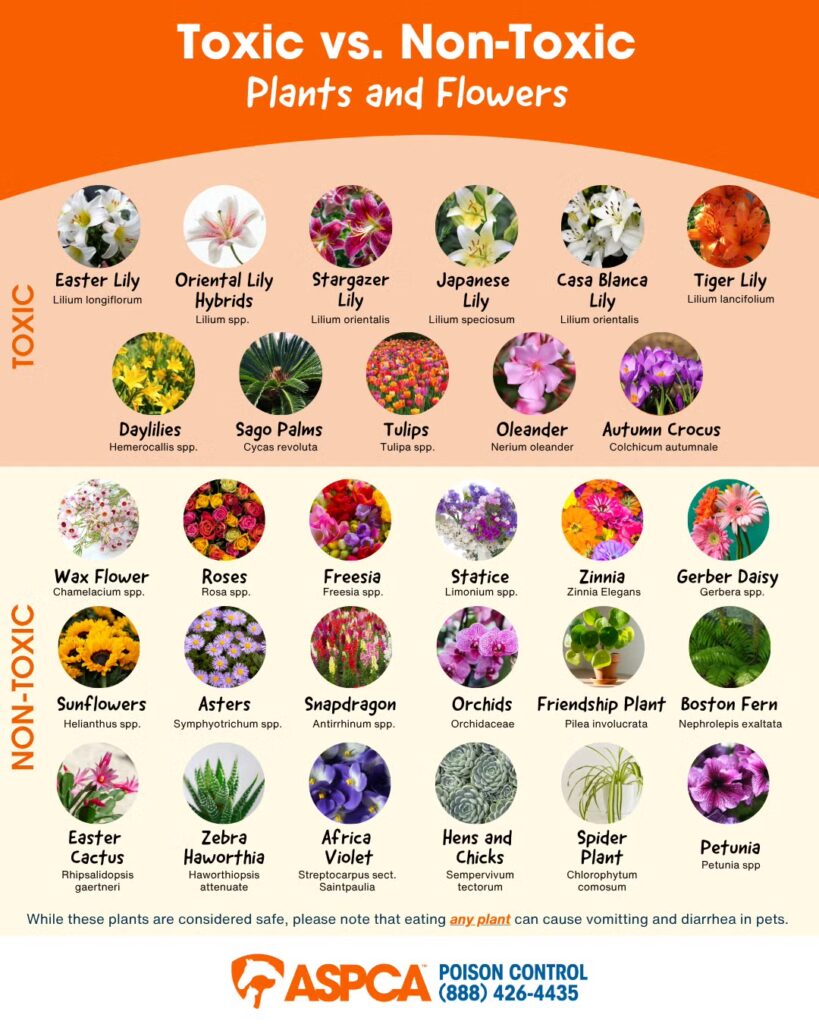
🌷 Highly Toxic Spring Bulbs & Flowers
These are among the most dangerous:
- Tulips (especially bulbs)
- Daffodils
- Hyacinths
- Crocus (spring & autumn varieties)
- Amaryllis
- Iris
- Lily of the Valley
- True Lilies (especially dangerous for cats but still harmful to dogs)
👉 Bulbs contain the highest toxin concentration and can cause vomiting, diarrhea, and even obstruction if ingested.
🌿 Toxic Garden Favorites
Often found in parks, gardens, and neighborhoods:
- Azaleas
- Rhododendrons
- Hydrangeas
- Foxglove
- Oleander
- Peonies
- Bluebells
- Chrysanthemums
These can affect the heart, nervous system, or gastrointestinal tract.
🌸 Common Decorative & Household Plants
Even bouquets can be dangerous:
- Calla Lily
- Begonia
- Cyclamen
- Gladiolus
- Geranium
- Pothos
- Aloe Vera
- Elephant Ear (Alocasia)
- Dieffenbachia
👉 Many of these cause oral irritation, drooling, and vomiting, even with small exposure.
15 Plants that are Toxic to Dogs (with photos)
While this certainly isn’t an exhaustive list of toxic plants for dogs, the following are some of the more common toxic plants that may be around our homes or found in the yard:
1. Amaryllis
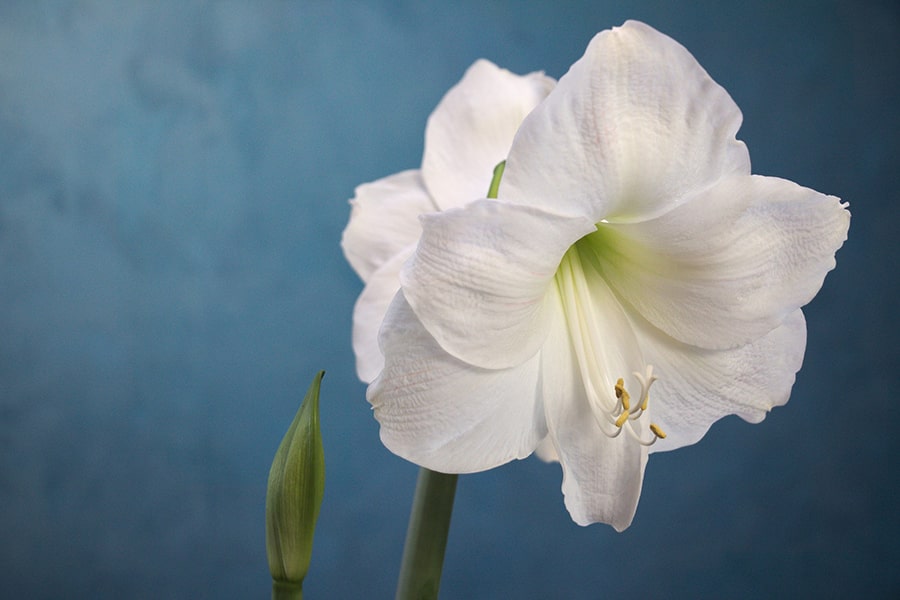
Popular during the spring holidays, this plant can cause vomiting, depression, diarrhea, excessive drooling, abdominal pain, anorexia, and tremors
2. Azalea and Rhododendron (Rhododendron sp)
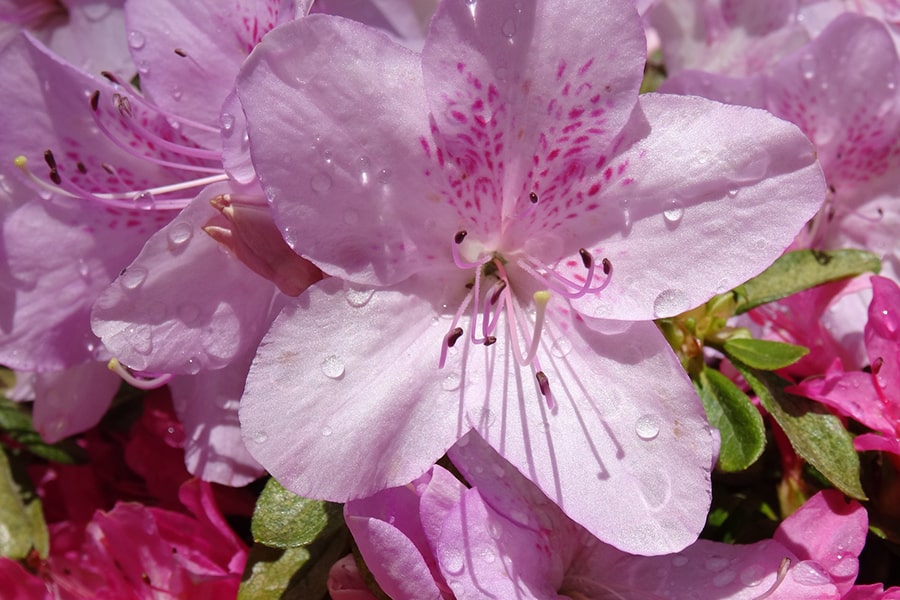
Prevalent in many backyards, this common plant can cause vomiting, diarrhea, a drop in blood pressure, weakness, cardiac failure, coma, and can even be life-threatening
3. Bird of Paradise (Strelitzia Reginae)
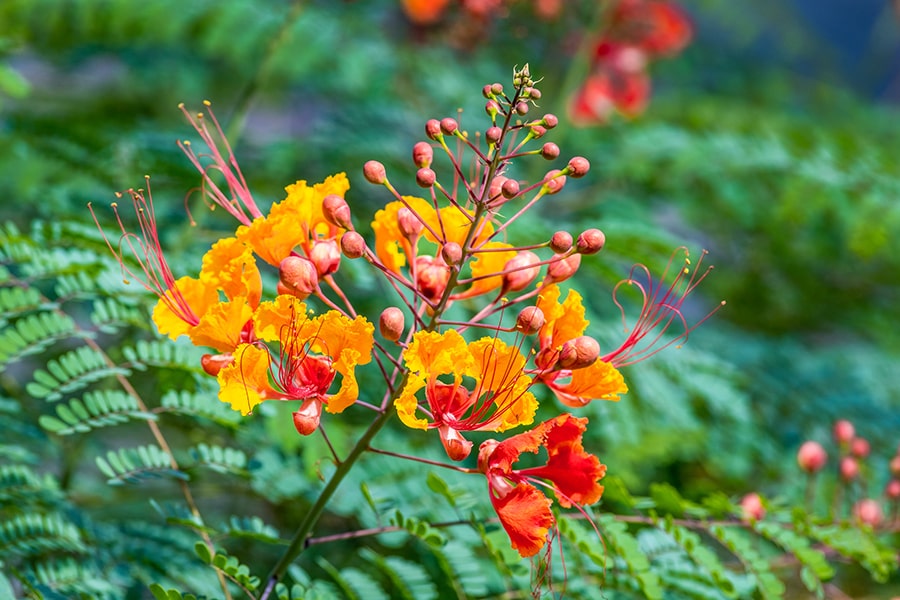
Not to be confused with the more toxic Mexican Bird of Paradise (Caesalpinia sp.), this plant, if consumed, can cause oral irritation, excessive drooling, vomiting, diarrhea, mild nausea, drowsiness, and difficulty swallowing
4. Daffodil (Narcissus sp)
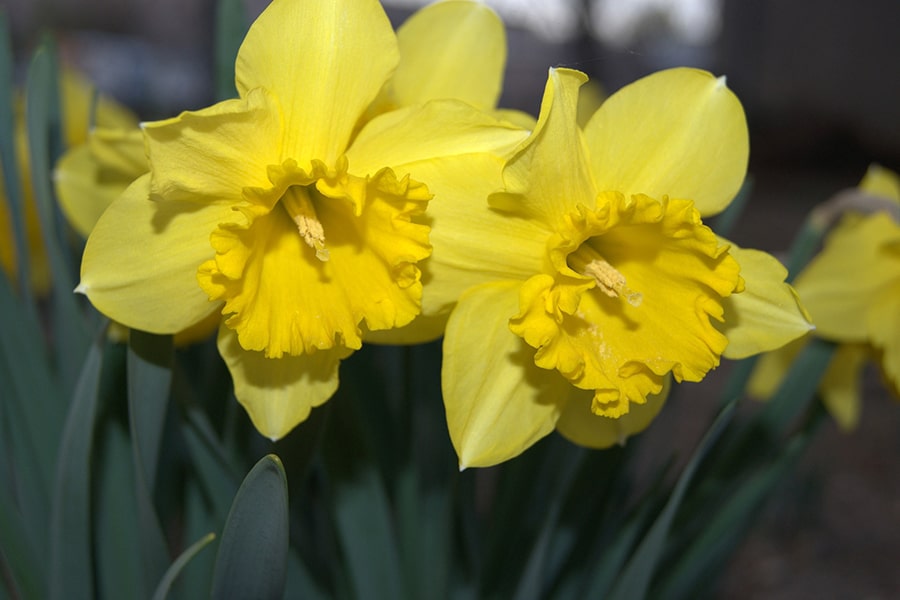
A favorite of gardeners, this plant can cause vomiting, hypersalvation, diarrhea, arrhythmia, convulsions, and low blood pressure
5. Daisy (Chyrsanthemum sp)
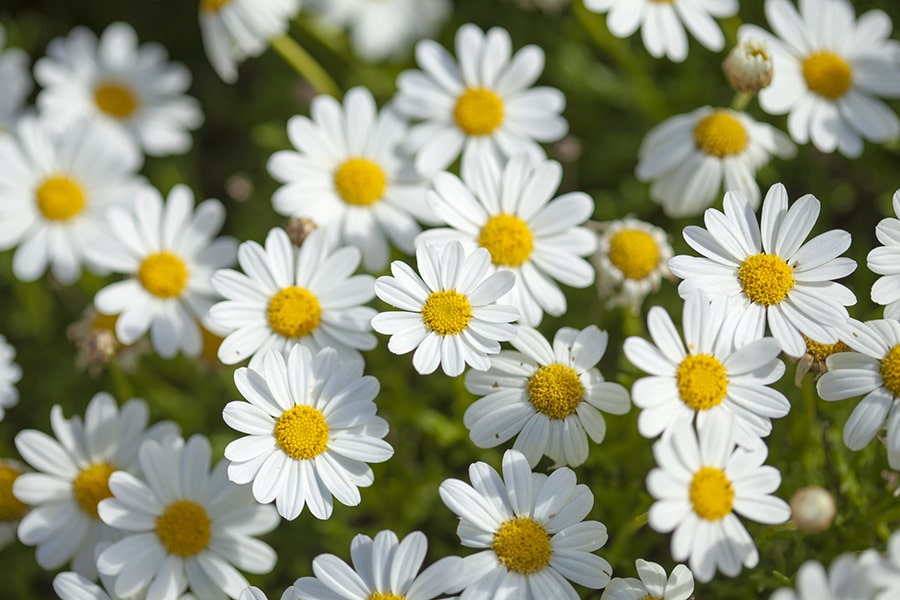
A common flower both in gardens and flower arrangements, if consumed, can cause vomiting, diarrhea, excessive drooling, incoordination, and dermal allergic reactions
6. Eucalyptus
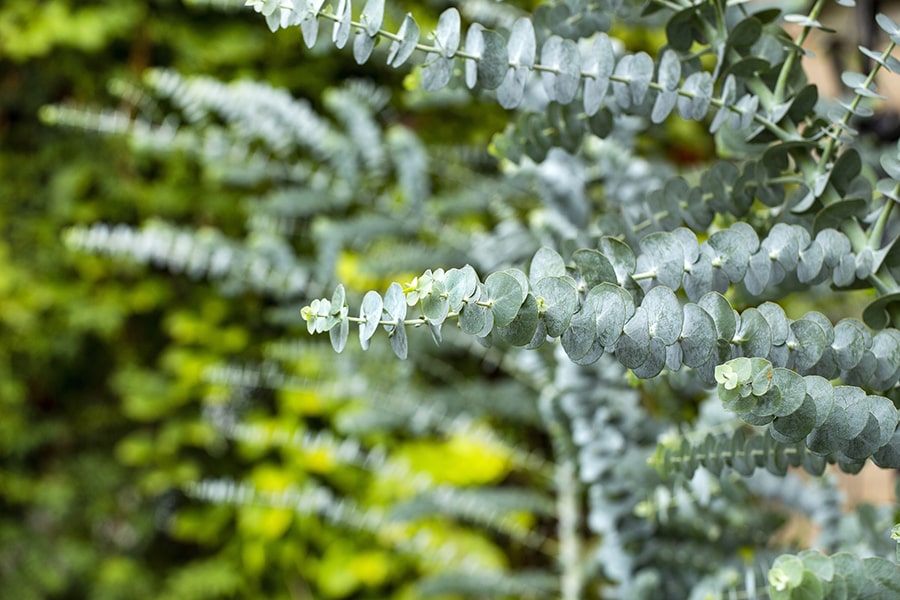
This plant, if consumed, can cause excessive drooling, vomiting, diarrhea, depression, and weakness
7. Hyacinth
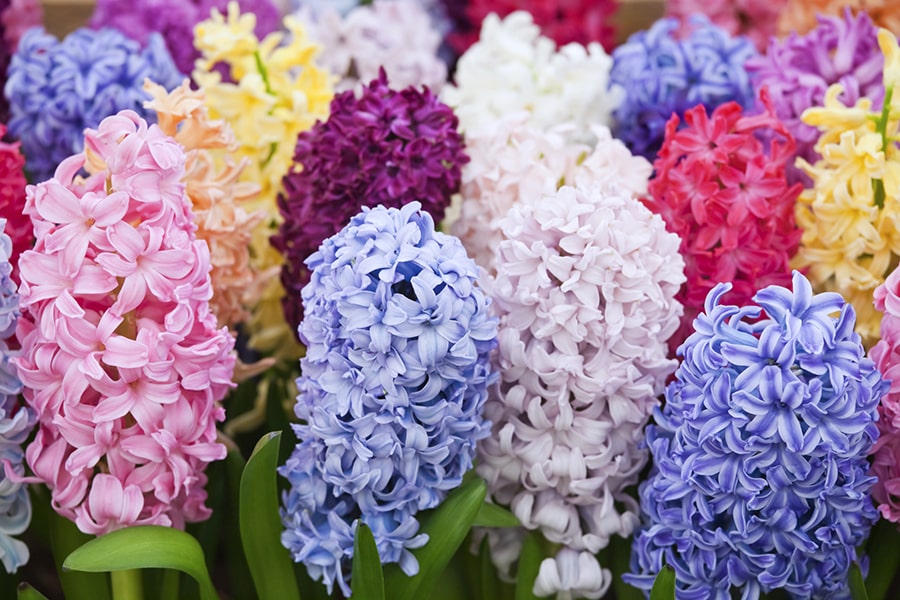
Consumption can cause intense vomiting, diarrhea, depression, and tremors
8. Hydrangea
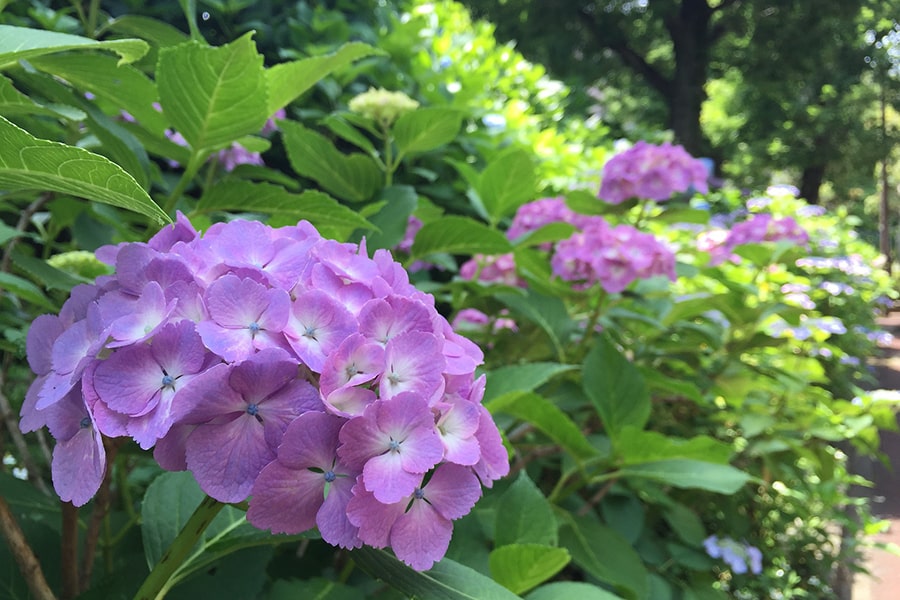
Brightly colored but toxic, this plant can cause vomiting, depression, diarrhea, and other gastrointestinal disturbances
9. Iris
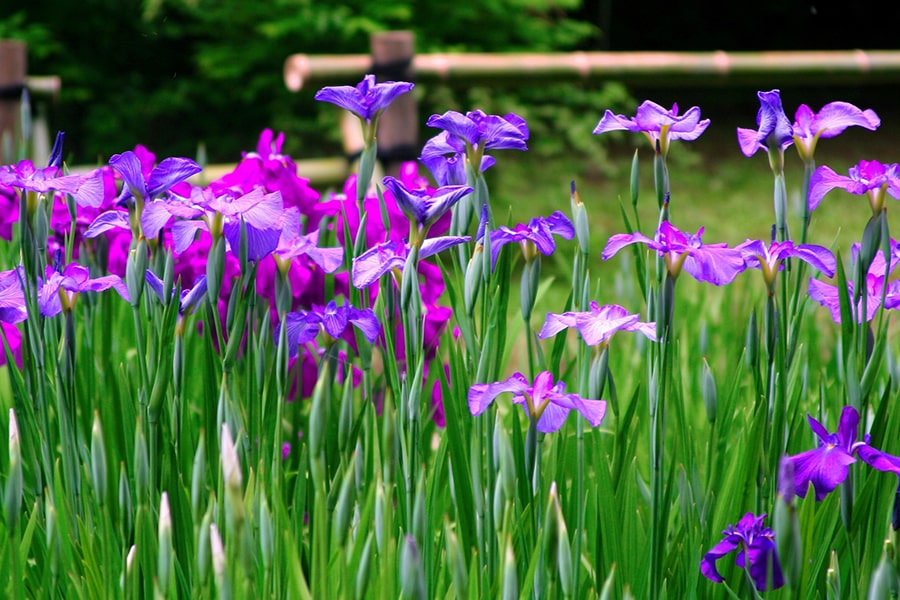
While the entirety of this plant is toxic, the rhizomes (underground stem) are most potent and, if ingested, this plant can cause vomiting, drooling, lethargy, and diarrhea
10. Calla Lily (Zantedeschia sp)
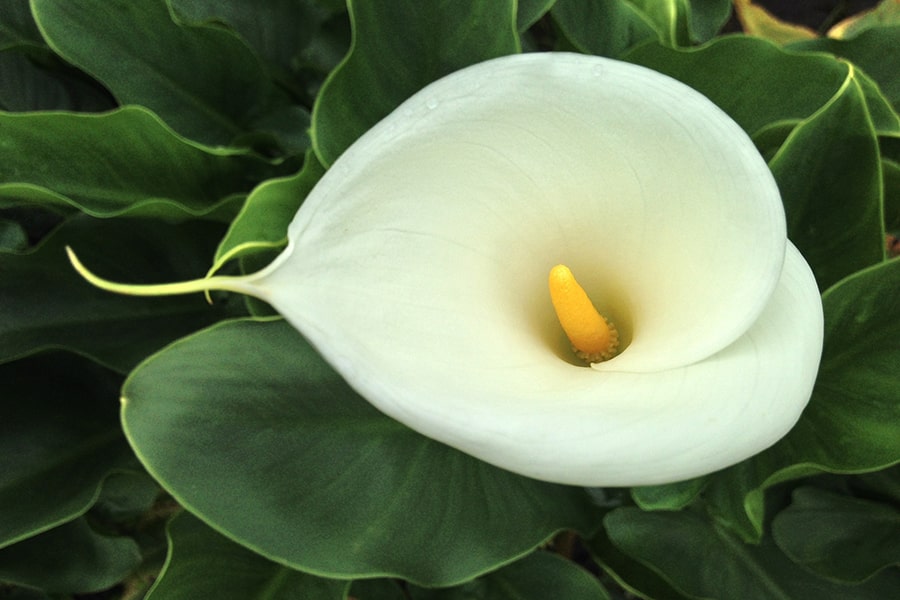
If one of these uniquely shaped flowers is ingested, it can cause oral irritation, a burning sensation on the tongue and lips, excessive drooling, vomiting, and difficulty swallowing
11. Morning Glory (Ipomoea sp)
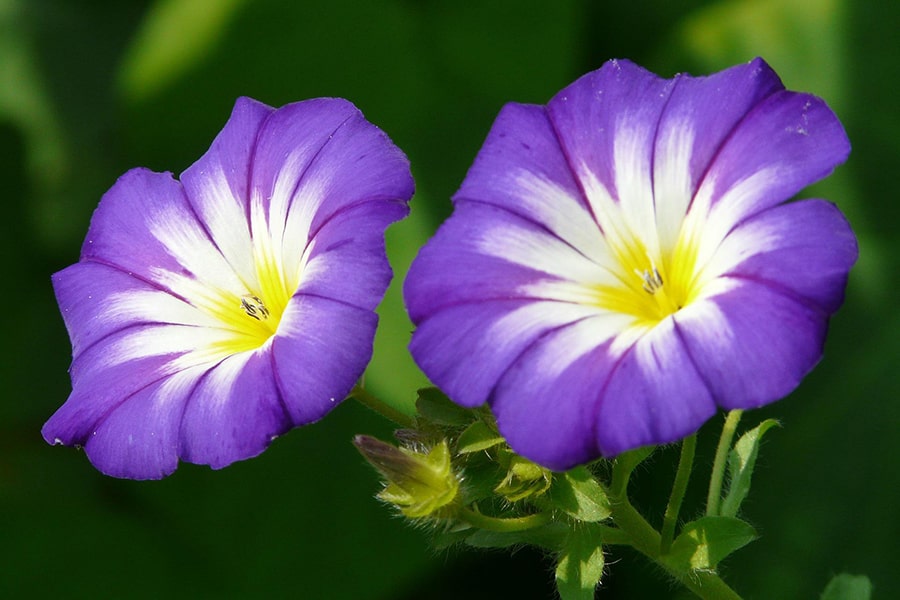
These cone-shaped flowers can cause vomiting and even hallucinations when large amounts are ingested
12. Rhododendron
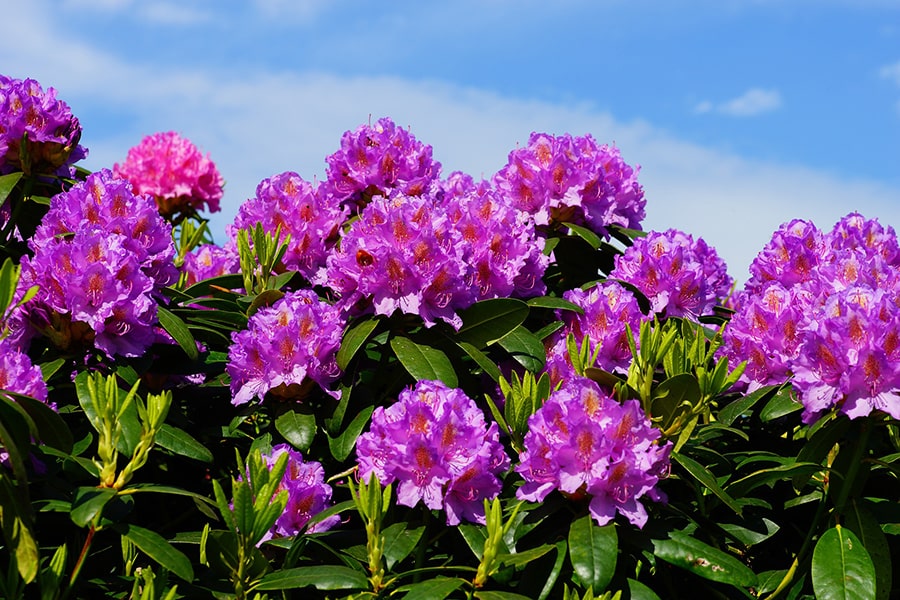
It only takes consuming a few leaves to create a severe reaction, including excessive drooling, vomiting, loss of appetite, diarrhea, colic, depression, weakness, stupor, paralysis, cardiovascular collapse, or worse – your dog may become comatose or even die
13. Jade (Crassula ovata)
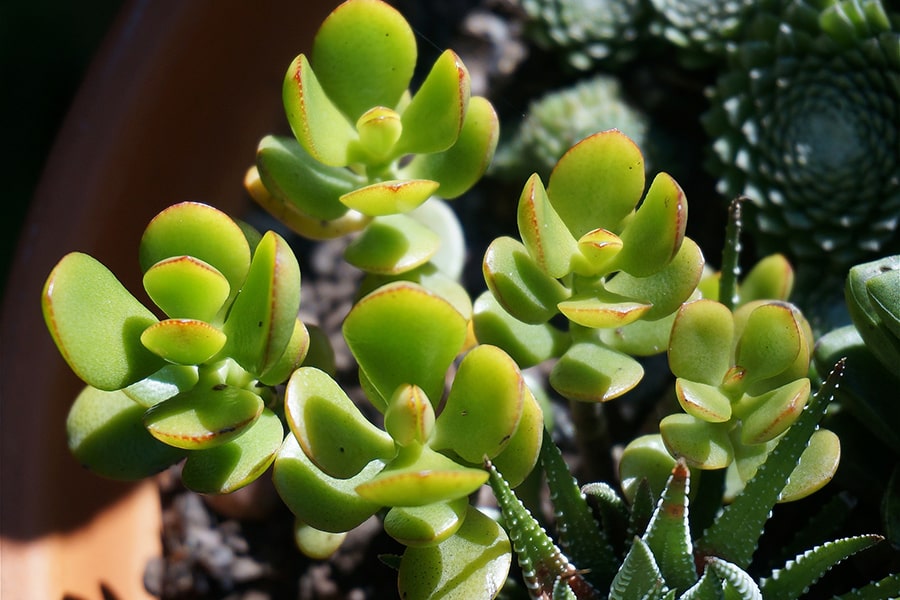
The jade plant is toxic to dogs. Consumption can cause vomiting and, in some pets, a slow heart rate, incoordination, and depression, which can be hard to spot
14. Tomato plants (Solanum lycopersicum)
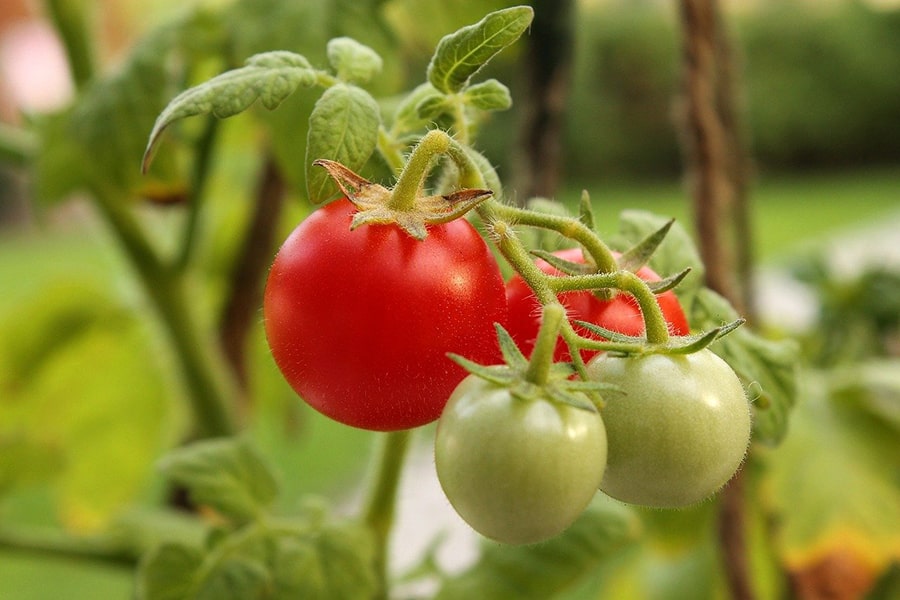
Are tomato plants toxic to dogs? While the popular fruit produced by this plant isn’t poisonous, unripe tomatoes can still pose a danger. Plus, the plant itself is toxic to dogs. If consumed, symptoms produced can include: hypersalivation, severe upset stomach, depression, weakness, dilated pupils, and slow heart rate
15. Tulips
Pretty but poisonous, the bulb of this plant, if ingested, can cause oral irritation, excessive drooling, and nausea
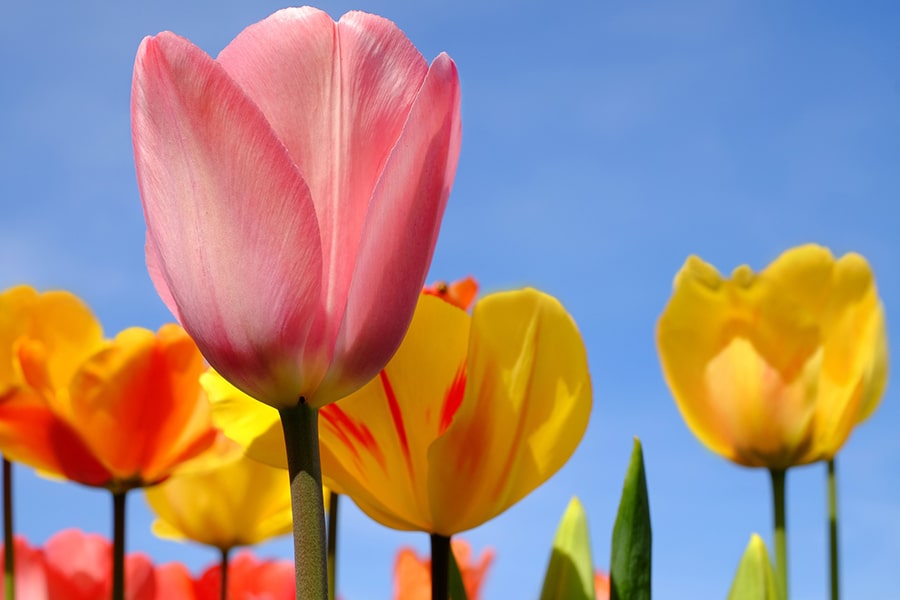
Why Tulips Are So Dangerous (What Most People Don’t Know)
Tulips look harmless—but they contain toxic compounds called tulipalin A and B.
Here’s what makes them especially risky:
- 🌷 Bulbs are the most toxic part
- 🐕 Dogs may dig them up (they smell appealing)
- 🌿 Even small ingestion can trigger symptoms
- ⚠️ Large amounts can lead to severe poisoning
Symptoms include:
- Vomiting
- Diarrhea
- Drooling
- Lethargy
- In severe cases: seizures or cardiac issues
16. Virginia Bluebells
Spring is a time when many common plants start to bloom, but while they may look pretty, some are poisonous to dogs. We often keep spring plants in both our gardens and inside our homes, so although cases of poisoning are rare, it’s a good idea to get to know which spring plants are poisonous so you can keep them well out of reach – especially if your dog is known to chew or dig!
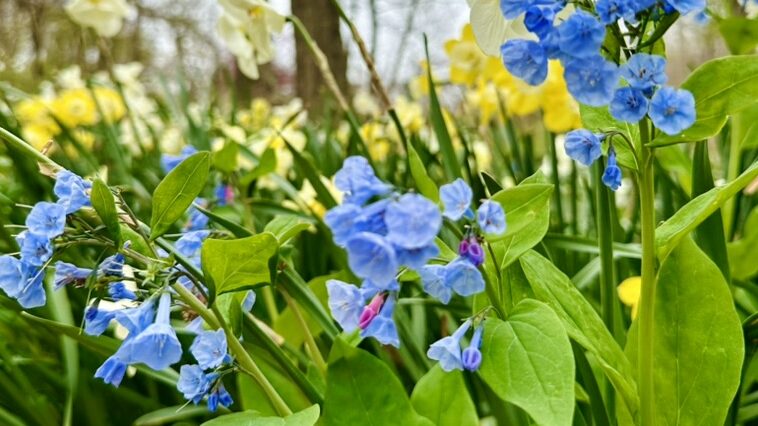
Bluebells are poisonous to dogs because they contain a toxin that affects the heart. Bluebell poisoning will normally result in an upset tummy, but if eaten in very large amounts, it can be fatal.
Bluebells are often found in woodland areas, so remember to keep an eye on your dog during walks to make sure they do not eat anything they shouldn’t.
17. Cherry Blossoms
Cherry blossoms, despite their aesthetic appeal, pose hidden dangers for our canine companions. The cherry tree, including its blossoms, leaves, and seeds, contains cyanogenic glycosides. These compounds can produce cyanide when metabolized, leading to cyanide poisoning in dogs. While all parts of the tree contain these harmful compounds, the highest concentrations are found in the leaves and seeds.

Japanese cherry blossom trees (Prunus serrulata) are poisonous to dogs. The plants contain cyanogenic glycosides, which release cyanide when ingested, causing symptoms ranging from gastrointestinal distress to respiratory failure. The leaves, stems, and seeds (pits) are the most toxic parts, especially when wilted, though flowers can also cause issues15. Tulip
Pretty but poisonous, the bulb of this plant, if ingested, can cause oral irritation, excessive drooling, and nausea.
Symptoms of Cherry Blossom Poisoning in Dogs:
- Initial/Mild: Vomiting, diarrhea, and abdominal pain.
- Severe: Reddened gums, excessive panting, breathing difficulties, dilated pupils, muscle spasms, shock, tremors, or seizures.
What to Do:
- If your dog eats any part of a cherry tree, watch them closely for several hours.
- If symptoms appear, contact a veterinarian or Pet Poison Control immediately.
- Prevent dogs from eating fallen leaves, twigs, or blossoms
🚨 Signs Your Dog May Have Been Poisoned by Plants
If your dog has been around flowers or plants, watch for:
Early Signs
- Drooling
- Vomiting
- Diarrhea
- Pawing at mouth
Moderate Symptoms
- Lethargy
- Loss of appetite
- Trouble walking
- Abnormal heart rate
Emergency Symptoms
- Seizures
- Collapse
- Difficulty breathing
👉 If you notice ANY of these, call your vet or the ASPCA Animal Poison Control immediately.
📞 ASPCA Poison Control: (888) 426-4435
🌿 Where Dogs Are Most at Risk (You Might Not Expect This)
1. Flower Fields & Festivals
That dreamy tulip field photo? It may come with hidden risks.
👉 The 2026 UK incident proves that even controlled environments can be dangerous.
2. City Parks & Public Gardens
Many landscaping plants include:
- Tulips
- Daffodils
- Azaleas
These are often planted in high-traffic dog areas.
3. Your Own Backyard
Spring planting season = increased risk
Especially if:
- You plant bulbs
- Your dog digs
- You don’t fence off garden beds
4. Indoor Bouquets
Yes—even your cute Trader Joe’s bouquet
Flowers like:
- Lilies
- Tulips
- Daffodils
can be toxic even in vases.
🐾 How to Keep Your Dog Safe This Season
✔️ 1. Know Before You Go
Before visiting:
- Flower fields
- Botanical gardens
- Parks
👉 Research if plants are pet-safe
✔️ 2. Avoid High-Risk Areas
If you see:
- Tulip fields
- Bulb-heavy gardens
👉 Keep your dog on leash and a close eye on them.
✔️ 3. Train the “Leave It” Command
This is your dog’s lifesaving skill!
Especially for:
- Sniffers
- Ground scavengers
- Puppies
✔️ 4. Supervise Constantly
Even well-trained dogs can:
- Get curious
- Dig
- Taste something new
✔️ 5. Be Careful with Photoshoots
For content creators (👀 you):
- Don’t let dogs sit directly in flower beds.
- Avoid face-in-flower shots
- Never encourage interaction with plants
✔️ 6. Dog-Proof Your Home & Garden
- Skip toxic plants entirely
- Fence off garden beds
- Keep bouquets out of reach
🌸 Dog-Safe Spring Flower Alternatives
You don’t have to give up flowers completely.
Safer options include:
- Roses (remove thorns)
- Sunflowers
- Snapdragons
- Orchids
- Marigolds
These are generally considered pet-friendlier choices (always double-check).
⚠️ Common Mistakes Dog Parents Make
Let’s be real—most of us didn’t know this either.
❌ “It’s natural, so it’s safe”
Nope. Many plants are naturally toxic.
❌ “My dog doesn’t eat plants”
Until… they do.
❌ “It’s just a photo”
Even brief exposure can be risky if ingestion happens.
❌ “Only large amounts are dangerous”
Some plants are toxic in small quantities
🐶 Final Thoughts: Awareness Saves Lives
That UK tulip story isn’t just tragic—it’s a wake-up call.
Most dog parents:
- Don’t know tulips are toxic
- Don’t think twice at flower fields
- Trust “dog-friendly” spaces blindly
But here’s the truth:
👉 Spring flowers can be just as dangerous as chocolate or grapes—sometimes more. And the scariest part? Exposure often happens during the most joyful moments—travel, photos, adventures.
⚠️ Dog Safety Disclaimer
Chance is a highly trained service dog and remains under very close supervision at all times. While he naturally enjoys sniffing, he is trained not to pick up or ingest anything from the ground and has never had issues interacting respectfully in environments like flower gardens over the years.
That said, every dog is different. If your dog tends to pick up, lick, chew, or eat items from the ground, it’s best to avoid flower gardens and similar environments altogether. Many popular spring blooms can be toxic to dogs, and even brief exposure can pose a risk.
Always know your dog’s behavior, keep them within sight, and prioritize their safety in unfamiliar environments. 🐾
Full Toxic Plant List — Dogs
For a complete list of plants that are toxic to dogs, check out this list compiled by the ASPCA
📌 Quick Recap
- 🌷 Tulips, daffodils, and hyacinths are highly toxic
- ⚠️ Bulbs are the most dangerous part
- 🚨 Symptoms can escalate quickly
- 🐾 Always supervise dogs around plants
- 📞 Call ASPCA Poison Control if ingestion is suspected
Want More Dog-Friendly Travel Guides?
If you’re planning your next trip, explore more here:
Because traveling with your dog should feel exciting—not stressful ❤️
- Bushwick Collective Block Party 2026: Dog-Friendly NYC Street Art Festival Guide

- Hidden Waterfalls in Central Park: The Most Magical NYC Escape You’ve Probably Walked Past

- Flowers and Plants Toxic to Dogs: What Every Pet Parent Needs to Know [With Photos]

- NYC’s Only Dog Beach Is Hidden Inside Brooklyn’s Most Famous Park — And It’s the Ultimate Summer Spot for All Dogs!

- Chipin Dog Guide: The Perfect Small Dog for NYC Apartment Living & Travel

- The Best Parks in New York City for Dogs (Off-Leash info & Scenic Trails)

📍 SHARE this to raise awareness
🐾 FOLLOW our socials for more dog-friendly (and dog-safe) travel guide